Hugo Broos Eyes European or Asian Opposition for Bafana Bafana’s Next World Cup Friendly
Diski 365 | 01.04.2026 16:09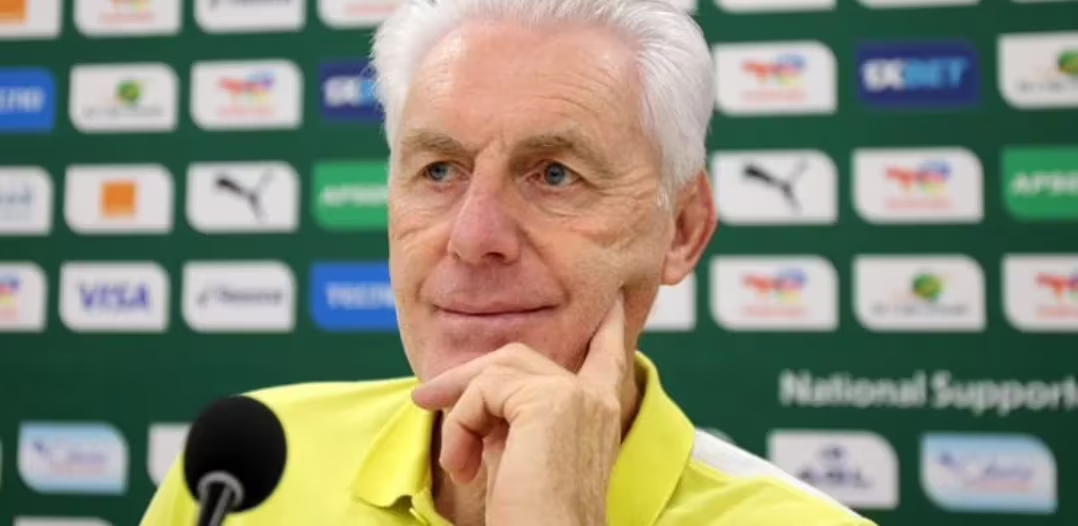
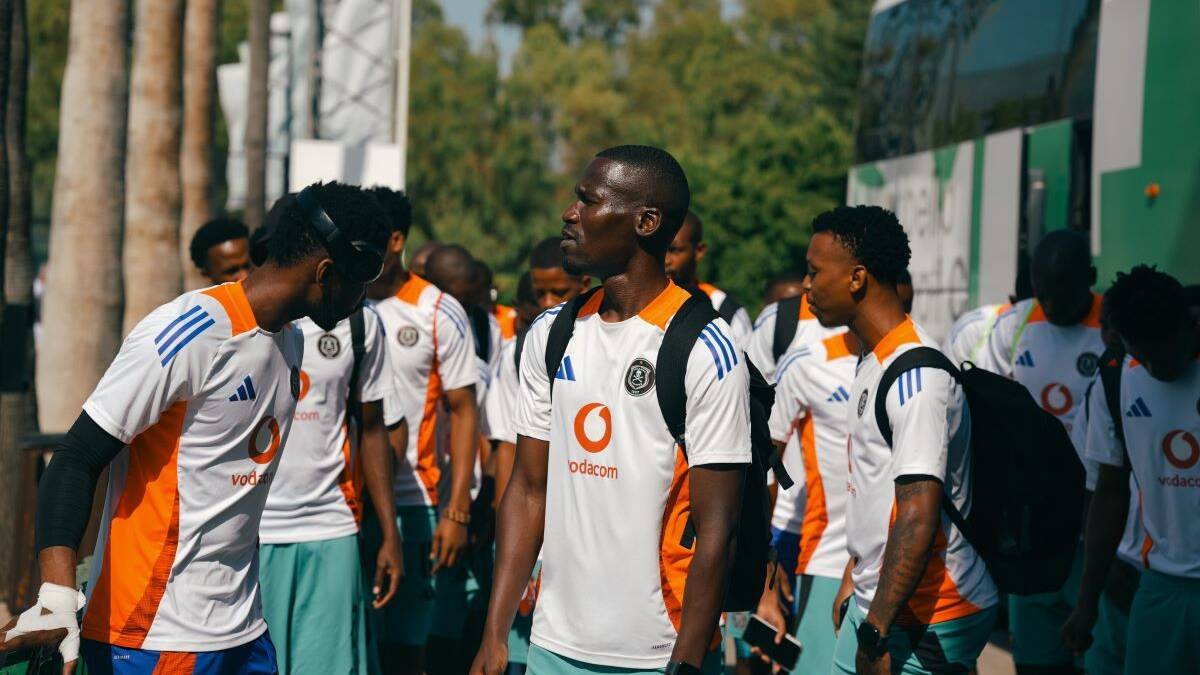
South Africa’s head coach Hugo Broos is looking to challenge his squad against stronger international opponents ahead of the 2026 FIFA World Cup. Following a recent double-header against Panama, Broos has suggested that the next friendly should feature European or Asian opposition. The Belgian tactician believes that exposing Bafana Bafana to a higher level of competition will help refine tactics, improve decision-making, and prepare the team for the challenges of the global stage. South Africa’s 2-1 defeat to Panama at a packed DHL Stadium highlighted areas that require attention, particularly in maintaining defensive organization and converting scoring opportunities. Broos’s approach underscores the importance of carefully selected warm-up matches to maximize World Cup readiness.
The motivation for seeking European or Asian opponents stems from South Africa’s group-stage draw against South Korea in the World Cup. Broos is conscious that Asian teams often display technical discipline, tactical awareness, and high-intensity pressing, all of which demand specific preparation. By arranging friendlies against teams with similar styles, Bafana Bafana can better anticipate the challenges they will face during the tournament. Broos has emphasized the need for these matches to provide a realistic simulation of World Cup conditions, rather than simply adding games to the calendar. His strategy aims to create a balance between testing the squad and building confidence before the global competition.
Broos revealed his vision during an interview with SABC Sport after the Panama fixture, stressing that the June international break offers an ideal window for this type of preparation. He confirmed that while an opponent has not yet been finalized, the preference is for a team from Europe or Asia. Broos highlighted that these encounters would help evaluate squad depth, examine player adaptability, and test tactical variations in a competitive setting. His focus is not only on results but on gathering actionable insights that cannot be obtained from training alone. This careful planning reflects a proactive approach to World Cup readiness.
The recent games against Panama offered Broos a valuable opportunity to experiment with player roles and tactical formations. He observed how certain players adapted to unfamiliar positions, and these insights are likely to influence squad selection for competitive fixtures. Broos acknowledged that while the friendlies did not simplify decision-making, they revealed strengths and weaknesses previously unnoticed in training sessions. Such information is crucial for building a balanced squad capable of handling the rigors of a World Cup campaign. By exposing the team to controlled but competitive environments, Broos ensures that preparation is both practical and informative.
Bafana Bafana’s focus will remain on refining team cohesion, tactical execution, and confidence in front of goal. Arranging matches against European or Asian opposition will test the squad against diverse playing styles, enabling Broos to identify areas for improvement before the tournament begins. The lessons learned from Panama, combined with strategic preparation in June, aim to strengthen the team’s resilience and adaptability. These steps are designed to enhance performance and ensure that South Africa enters the World Cup with a squad ready to compete at the highest level. Broos’s proactive approach signals a commitment to comprehensive preparation and long-term competitive success.