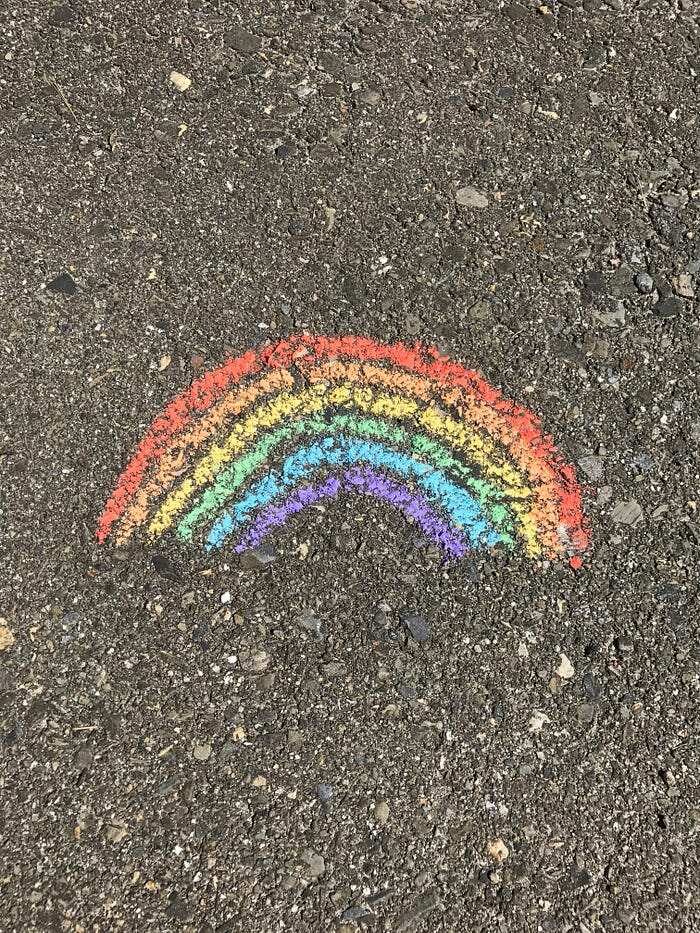
we’re all on the same rainbow, whether you like it or not
Medium | 26.01.2026 08:02
we’re all on the same rainbow, whether you like it or not
Follow
6 min read
·
Just now
Listen
Share
Why Your Rights Don’t Care If You’re Cool: The Supreme Court doesn’t check your aesthetic before stripping your freedoms
I was halfway through my morning scroll—coffee cold, attention fragmented across seventeen half-watched videos—when I stopped on one that made me sit up straight.
The creator (@rileylovesriverdale) was talking about gay men who distance themselves from Pride, from the "weird" parts of the community, from anything that might make them seem too queer. The example cited was Leo Skeppy, but honestly, the name doesn’t matter. We all know this archetype. We’ve all seen the Instagram bios: "Just a normal guy who happens to be gay." The emphasis always on normal, as if normalcy were a life raft in choppy political waters.
I'd been thinking about this for years without quite articulating it—this impulse some of us have to throw our own people overboard in hopes of being invited onto a ship that was never coming for us anyway.
There’s a moment in The Velvet Rage where Alan Downs describes the exhausting performance of acceptability that many gay men learn young: be funnier, be more successful, be less threatening, be palatable. I remember reading it and feeling simultaneously seen and implicated. Because I’d done versions of this myself—not the outright rejection of Pride or community, but subtle negotiations. The careful calibration of how much queerness to show in certain spaces. The mental arithmetic of safety versus authenticity.
Assimilation is a con game where you’re both the mark and the accomplice.
The creator's point cut through my caffeine-deprived fog with clarity: you can post your "I'm not like other gays" content online because other people—the ones you find embarrassing, the drag queens and trans activists and leather daddies and everyone who refuses to shrink—fought for your right to speak at all. They fought while being called perverts and deviants. They fought while losing friends to a plague the government ignored. They fought in heels and without apology, and now you get to have a platform to distance yourself from them.
It's not just ungrateful. It's historically illiterate.
I keep thinking about Supreme Court decisions because that's where theory meets brutal reality. When Justice Clarence Thomas wrote in his Dobbs concurrence that the Court should reconsider cases like Lawrence v. Texas and Obergefell v. Ferguson, he wasn't making distinctions between the "good gays" and the "weird ones." The legal framework that granted us marriage equality doesn't have a checkbox for "but I'm one of the normal ones."
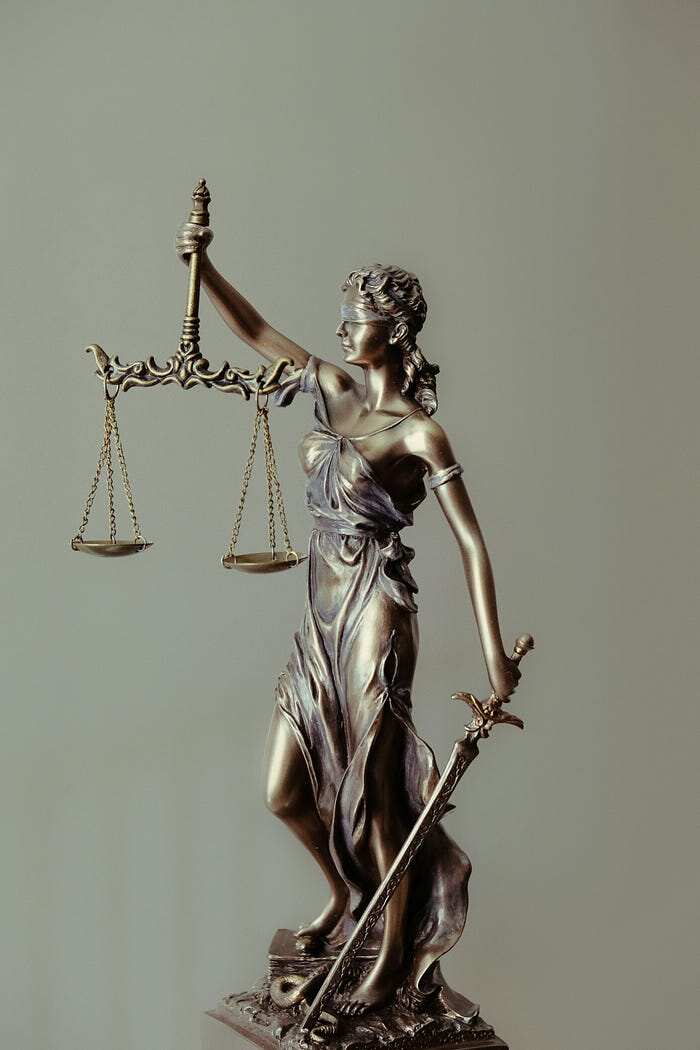
There is no asterisk in constitutional law that reads: "Rights protected unless you’re too flamboyant, in which case, never mind."
The Court will not care that you kept your queerness palatably packaged. They will not care that you never went to Pride or that you find drag shows tacky or that your aesthetic is "straight-passing normcore." When they come for our rights—and let’s dispense with the conditional tense here; they are coming—they will not differentiate between the assimilated and the unapologetic. To them, we are all equally disposable.
This is not speculation. This is pattern recognition.
Get Celia Solstice’s stories in your inbox
Join Medium for free to get updates from this writer.
Subscribe
Subscribe
What makes this whole dynamic so particularly grating is the narcissism embedded in it. The assumption that your individual comfort—your desire not to be associated with the more visible, more vulnerable parts of our community—outweighs collective liberation. It’s the political equivalent of "I got mine," except you haven’t actually gotten anything. You’ve just convinced yourself that if you’re quiet enough, respectful enough, normal enough, they’ll let you keep the scraps.
They won't.
I’m reminded of James Baldwin’s observation that "the price one pays for pursuing any profession or calling is an intimate knowledge of its ugly side." The ugly side of queerness isn’t drag or kink or any of the visible expressions that make some people uncomfortable. The ugly side is watching members of your own community try to purchase safety with betrayal, only to discover—too late—that there was never anything for sale.
It's embarrassing, yes. But more than that, it's strategically idiotic.
Your respectability will not save you. Your performance of normalcy will not protect you. The people who hate us don’t hate us because some of us are too loud or too colorful or too sexual. They hate us because we exist. And when you try to draw lines between yourself and the "embarrassing" queers, you’re not making yourself safer. You’re just making yourself lonely and complicit.
The trans women of color who rioted at Stonewall weren't thinking about optics. The AIDS activists who chained themselves to pharmaceutical companies weren't concerned with palatability. They were fighting for survival—yours included, even if you've decided they're too messy to acknowledge.
Every right we have exists because someone refused to apologize for taking up space.
I wonder sometimes about the internal logic of it all. What does it feel like to benefit from a liberation movement while publicly disavowing it? Is there cognitive dissonance, or have we become so skilled at compartmentalization that we genuinely believe our own narratives? That we're different, special, exempt from the broader patterns of oppression because we've mastered the performance of acceptability?
I don't know. I just know it doesn't work.
The Supreme Court justices reviewing cases that could gut our protections will not ask about your aesthetic choices or your comfort level with Pride parades. They will ask whether our relationships, our families, our very existence deserves legal recognition and protection. And increasingly, they are answering no.
When that happens I hope the people who spent years distancing themselves from the community will remember: the "weird" ones you found so embarrassing were the ones fighting while you were performing. And when the rights disappear, they’ll disappear for all of us, democratically and without regard for how normal you thought you were.

I returned to my cold coffee after watching that TikTok, but I couldn't return to the mindless scroll. My attention had been seized, concentrated on something that mattered. Sometimes it takes a stranger on the internet to articulate the thing you've been circling around for years—the frustration you couldn't quite name.
And to everyone reading this: Pride is not a pick-me competition. Our liberation is collective or it's nothing at all. You don't get to cherry-pick which parts of the community deserve rights while throwing the rest of us under the bus. We're all in this together—the respectable and the radical, the quiet and the loud, the assimilated and the unapologetic.
The Court won't check your aesthetic before stripping your rights. Maybe it's time to stop checking it yourself.
Shout-out to @rileylovesriverdale on TikTok for the inspiration. Sometimes a three-minute video gives you everything you need to write for three hours.