Wrongly Incarcerated, Quietly Broken: The Mental Health Crisis Facing Boys in Kenya’s Juvenile System
Medium | 16.12.2025 20:12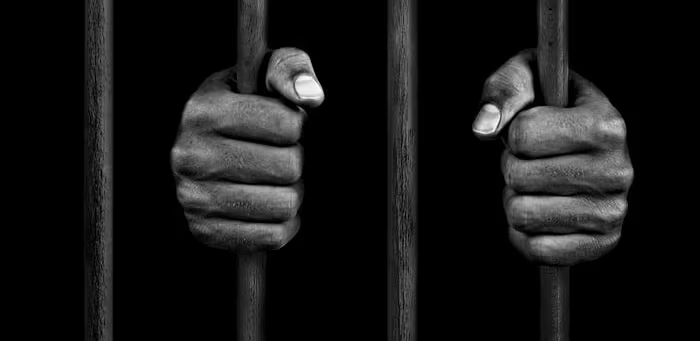
Wrongly Incarcerated, Quietly Broken: The Mental Health Crisis Facing Boys in Kenya’s Juvenile System
3 min read
·
Just now
--
Every child deserves safety, guidance, and a chance to grow. Yet in Kenya, countless boys are wrongfully incarcerated in juvenile detention centres — and the psychological damage they endure is rarely acknowledged. Their stories remain unseen, their trauma ignored, and their futures quietly compromised.
This is not only a Kenyan issue. Around the world, children face detention due to systemic failures, social profiling, or poverty. But in Kenya, where mental health services are scarce and access to legal support is limited, the consequences are particularly severe.
---
The Hidden Trauma of Wrongful Detention
For boys detained for crimes they did not commit, incarceration is confusing and terrifying. They are uprooted from school, friends, and family, then placed in an environment dominated by fear, strict rules, and authority figures they cannot trust. The question “Why me?” becomes constant, haunting, and often unanswered.
Psychological effects are immediate and long-term:
Anxiety and hypervigilance
Depression and emotional numbness
Sleep disturbances and nightmares
Withdrawal and low self-esteem
Mistrust toward adults and authority
The sense of injustice is particularly damaging. Being punished for a crime not committed breeds anger, despair, and hopelessness. Over time, these experiences shape identity, self-worth, and the ability to trust — not just during detention, but long after release.
---
Systemic Gaps That Harm Children
Wrongful juvenile incarceration usually results from multiple, overlapping failures:
1. Limited legal representation – Many boys lack timely access to lawyers or advocates, leaving them unable to challenge detention.
2. Weak age and identity verification – Missing birth certificates or rushed police procedures can lead to children being detained unnecessarily.
3. Social profiling – Boys from marginalized communities are disproportionately arrested. Poverty is mistaken for guilt.
4. Exposure to older detainees – Being held alongside older offenders intensifies fear and trauma.
These gaps don’t just break laws; they break children.
---
Get Ryan Kisilu’s stories in your inbox
Join Medium for free to get updates from this writer.
Inside Juvenile Centres
While juvenile facilities are meant to rehabilitate, conditions often fall short. Overcrowding, scarce mental health professionals, and a lack of psychosocial support mean trauma is rarely addressed.
For wrongly incarcerated boys, the emotional toll is severe:
Interrupted education
Limited family contact
Isolation and stigmatization
Misinterpreted emotional responses, leading to further punishment
This creates a cycle where trauma fuels behaviour, behaviour attracts discipline, and discipline deepens trauma.
---
Life After Release
Leaving detention does not automatically heal the harm. Communities often stigmatize these boys. Schools may struggle to reintegrate them, and families may lack guidance to support recovery. Without counseling or mentorship, some boys internalize the belief that they are “criminals,” increasing the risk of future conflict with the law.
---
What Needs to Change
Protecting the mental health of wrongly incarcerated boys requires urgent reforms:
1. Immediate legal aid and advocacy – No child should remain detained without representation.
2. Strengthened age and identity verification – Prevents wrongful detention.
3. Integrated mental health services in facilities – Counseling, trauma-informed care, education, sports, and creative programs.
4. Reintegration support – Follow-up counseling, school placement, mentorship, and family guidance.
5. Trauma-informed staff training – Police, judicial, and facility personnel need skills to respond to trauma rather than punish it.
---
A Moral and Social Imperative
The true measure of justice is how it treats its most vulnerable. Wrongly incarcerated boys are not statistics; they are children whose futures hang in the balance. Protecting their mental health is not only a legal responsibility — it is a moral one.
When systems prioritize care over punishment, rehabilitation over harm, and compassion over neglect, they do more than correct mistakes — they restore hope.