“Jacob Zuma Used His Spirit To Draw US Into MKP, Making All Kinds Of Promises” Dr Zikode Hit Out
iReport South Africa | 19.03.2026 00:48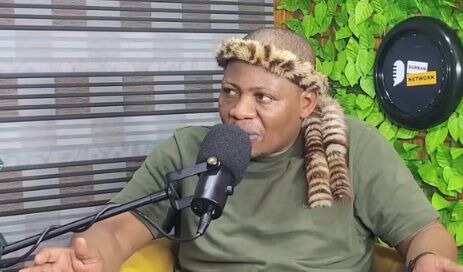
A traditional healer, Dr Zikode, has publicly accused former South African president Jacob Zuma of misleading members of the traditional healing community into supporting the uMkhonto weSizwe Party (MKP), alleging that he used spiritual influence and unfulfilled promises to secure their backing.
Speaking candidly, Dr Zikode claimed that his decision to join the MK Party was made reluctantly and against the counsel of fellow traditional healers. According to him, concerns had been raised within the community about the political direction and intentions of the party, but these warnings were ultimately overshadowed.
“I reluctantly joined MKP against the advice of other healers,” Dr Zikode said, adding that Zuma played a significant role in persuading them. He alleged that the former president used his perceived spiritual authority to attract traditional healers into the political movement.
Dr Zikode further claimed that Zuma made sweeping promises that have yet to materialize. “He used his spirit to draw us into MKP, making all kinds of promises—Heaven and Earth promises,” he stated, suggesting that expectations set during the recruitment process were unrealistic and misleading.
The uMkhonto weSizwe Party, which has gained attention in South Africa’s evolving political landscape, has drawn support from various sectors, including traditional leaders and healers. However, Dr Zikode’s remarks point to growing dissatisfaction among some early supporters who now feel disillusioned.
While Zuma has not yet publicly responded to these specific allegations, his political influence remains significant, particularly among communities that value traditional leadership and spiritual guidance. Analysts note that such claims, if left unaddressed, could impact the MK Party’s credibility within these constituencies.
The role of traditional healers in South African society has long been intertwined with cultural, spiritual, and, at times, political dynamics. As such, allegations of spiritual manipulation in political mobilization raise broader ethical questions about the intersection of belief systems and political strategy.
Dr Zikode’s statements are likely to spark further debate within both political and traditional circles, as calls for accountability and transparency continue to grow. Whether these claims will lead to internal shifts within the MK Party or prompt a response from its leadership remains to be seen.