The Julius Mkhwanazi case exposes a four-year accountability failure
Explain | 06.08.2026 18:29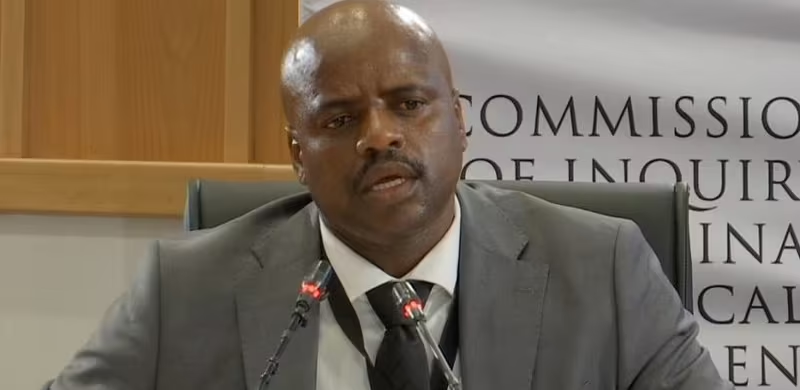
The arrest of suspended Ekurhuleni Metro Police Deputy Chief Julius Mkhwanazi and four others may look like the justice system is finally in motion – but it also reveals how long it stood still.
The Independent Police Investigative Directorate (IPID) arrested Mkhwanazi and four others on Wednesday, 5 August, in connection with the murder of Brakpan businessman Emmanuel Mbense. They are expected to appear in the Brakpan Magistrate’s Court on Thursday on charges of murder and defeating the ends of justice.
Mbense disappeared after police allegedly raided his home on 14 April 2022. His body was found the following day at Spaarwater Dam in Duduza.
The immediate question is whether prosecutors can prove who killed Mbense and who helped dispose of his body. The bigger question is why this case took four years to reach this point.
IPID completed its investigation and sent the file to the Director of Public Prosecutions only in February 2026. It also recommended that the police and EMPD begin disciplinary proceedings against implicated members. Under the IPID Act, employers are supposed to institute those proceedings within 30 days and report on their progress.
The case gained national attention after evidence about Mbense’s death emerged at the Madlanga Commission in November last year. A man identified at the commission as Witness D alleged that Mkhwanazi instructed him to dispose of Mbense’s body. Mkhwanazi denied involvement when he later testified. Those conflicting versions must now be tested in court.
But a public commission should not be required to make an old murder investigation impossible to ignore.
Commissions can expose patterns, protect witnesses and force institutions to explain themselves. They should not become emergency engines for cases that police watchdogs, prosecutors and employers were already responsible for handling.
The arrests are therefore not proof that the accountability system worked. At best, they show that the system eventually responded after years of delay and only following intense public scrutiny.
Real accountability must go beyond putting five people in the dock. Authorities should explain the investigative timeline, disclose whether disciplinary action was taken and examine whether anyone in management ignored warnings or protected colleagues.
Mbense’s family has waited four years for movement. The accused deserve a fair trial, but the institutions involved also owe South Africans an answer. Why did alleged police wrongdoing require a public commission before consequences became visible?