US-Iran Peace Talks: A Glimpse of Hope in Islamabad
The Post News | 12.04.2026 01:14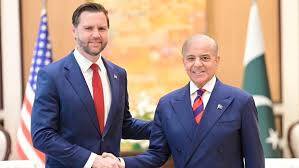
The high-stakes peace talks between the US and Iran, hosted by Pakistan, aim to end the escalating conflict. The two-week ceasefire, brokered by Pakistan, took effect on April 8, 2026, with both sides agreeing to negotiate in Islamabad. This development has sparked optimism globally, with oil prices dropping and markets responding positively.
The Negotiators in US-Iran Peace Talks
US Vice President JD Vance leads the American delegation, while Iran’s Parliament Speaker Mohammad Ghalibaf and Foreign Minister Abbas Araghchi represent their country. The talks focus on Iran’s nuclear program, regional influence, and the Strait of Hormuz’s safety. The US has presented a 15-point plan, addressing Iran’s nuclear ambitions, ballistic missiles, and regional proxy activities. Iran, on the other hand, has put forward a 10-point proposal, including safe passage through the Strait of Hormuz, lifting of sanctions, and recognition of Iran’s uranium enrichment rights.
- Iran’s 10-point proposal:
- Safe passage through the Strait of Hormuz
- Lifting of sanctions
- Recognition of Iran’s uranium enrichment rights
- Withdrawal of US forces from the region
- Release of frozen Iranian assets
- US 15-point plan:
- Constraints on Iran’s nuclear program
- Limits on ballistic missiles
- Regional de-escalation
- Guaranteed freedom of navigation through the Strait of Hormuz
Pakistan’s Prime Minister Shehbaz Sharif and Field Marshal Asim Munir played crucial roles in facilitating the talks. Pakistan’s strategic position and relationships with both countries made it an ideal mediator. The country’s diplomatic efforts have been praised globally, with many hoping that the talks will lead to lasting peace.
The international community welcomes the ceasefire, hoping it leads to lasting peace. The UN, Japan, Egypt, and Iraq have all welcomed the de-escalation. Oil prices have plummeted by roughly 15% following the announcement.
The Islamabad talks could reshape Middle East stability and global economic dynamics. Success depends on both sides’ willingness to compromise and trust-building. The two-week ceasefire provides a narrow window for progress, and it’s unclear whether it will be extended or lead to a permanent agreement.