The 109km trail opening up the Canadian Rockies
BBC | 28.01.2026 20:00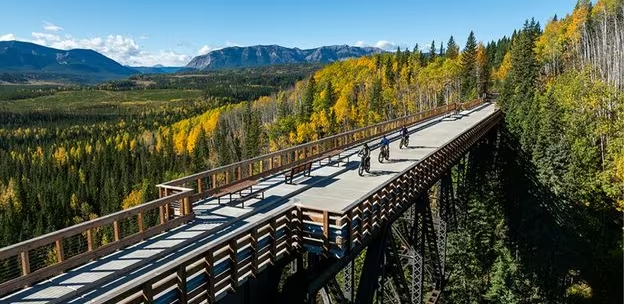
Away from Banff and Jasper national parks, a new rail trail is opening up a previously inaccessible corner of Canada and teaching travellers about the nation's past.
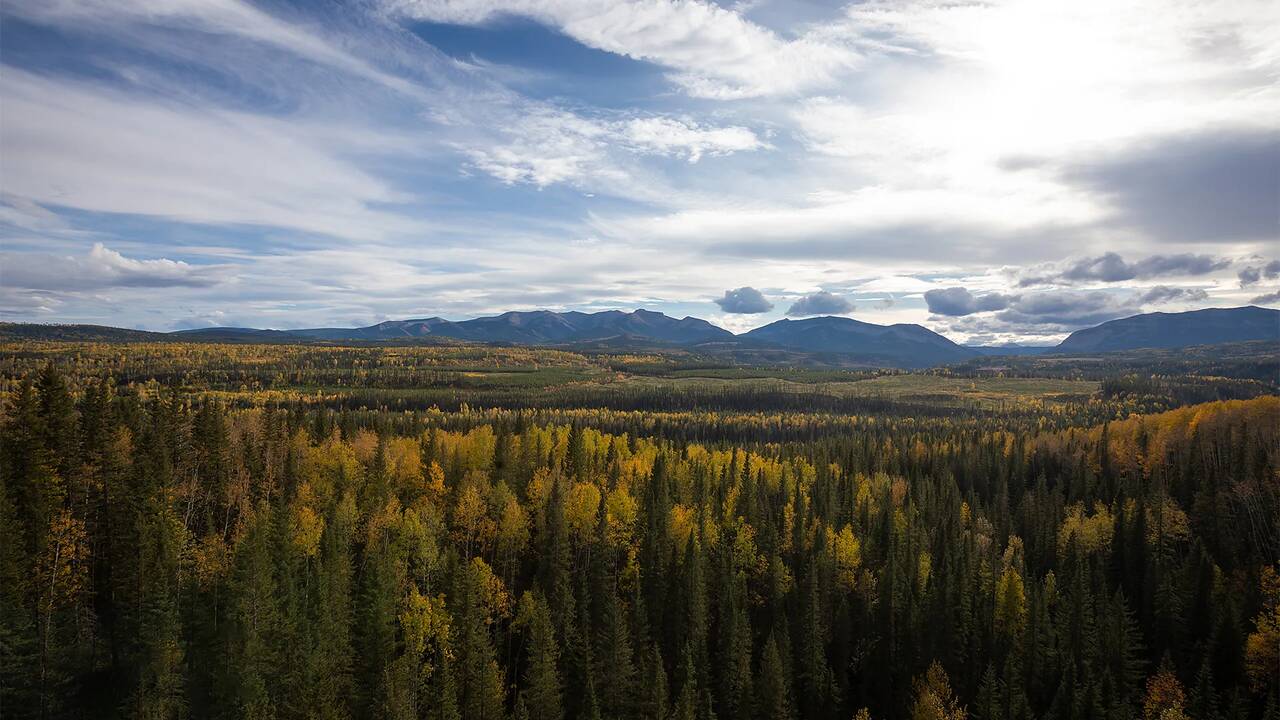
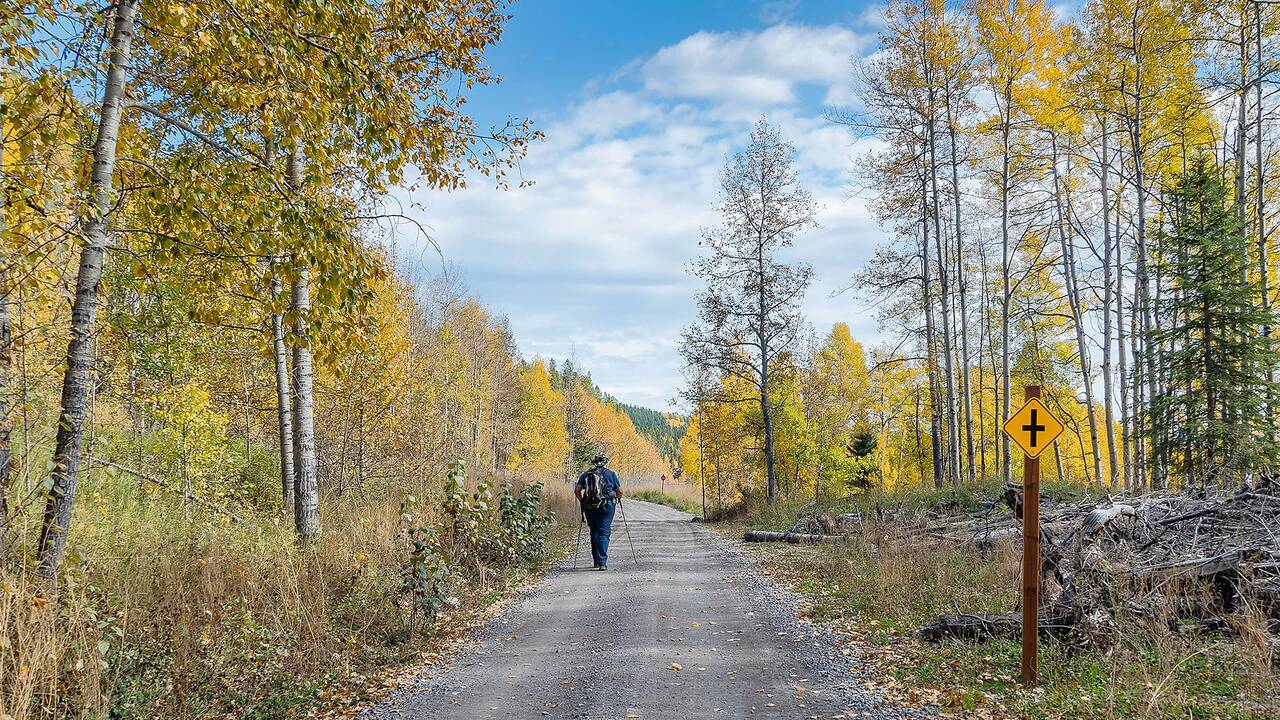
The first thing I notice is the living hush of the forest breathing around me. The soles of my mud-caked boots crunch on the gravel path as I hike through pine and spruce trees, then past wetlands and mossy slopes.
Suddenly, a rabbit rustles nearby. My senses sharpen as I look scan for larger wildlife, before the quiet chatter of birds and squirrels above restore my calm. After hiking for 30 minutes, I realise I haven't seen another person – a rare moment of solitude in the well-trodden Canadian Rockies.
I'm on the brand-new Rocky to Nordegg Rail Trail, a 109km route that traces the tracks of the Canadian Northern Railway (CNoR) from the historic former coal-mining settlement of Nordegg to the town of Rocky Mountain House. Built in the early 1910s to haul coal and serve homesteaders, the CNoR and railways like it were once the lifeblood of western Canada. Long before highways cut across the prairies and into the foothills of the Canadian Rockies, steel tracks were the main arteries supplying fuel and food to people in remote settlements. If the railway stopped, so did everything else.
Designed as a year-round, multi-use trail for hikers, cyclists, equestrians, snowshoers, dogsledders, cross-country skiers and off-highway vehicles, the new rail trail leads travellers through boreal forests, above sweeping valleys and into seldom-seen corners of Canada that, until now, have largely been inaccessible to visitors. It's a rare opportunity to see how nature is reclaiming a landscape once shaped by steam engines and coal; and to experience a quieter, lesser-known side of the Rockies beyond Canada's two most-famous national parks – Jasper and Banff.
To date, more than 50km of the trail from Nordegg to Jackfish Creek has been completed, with the remaining half underway.
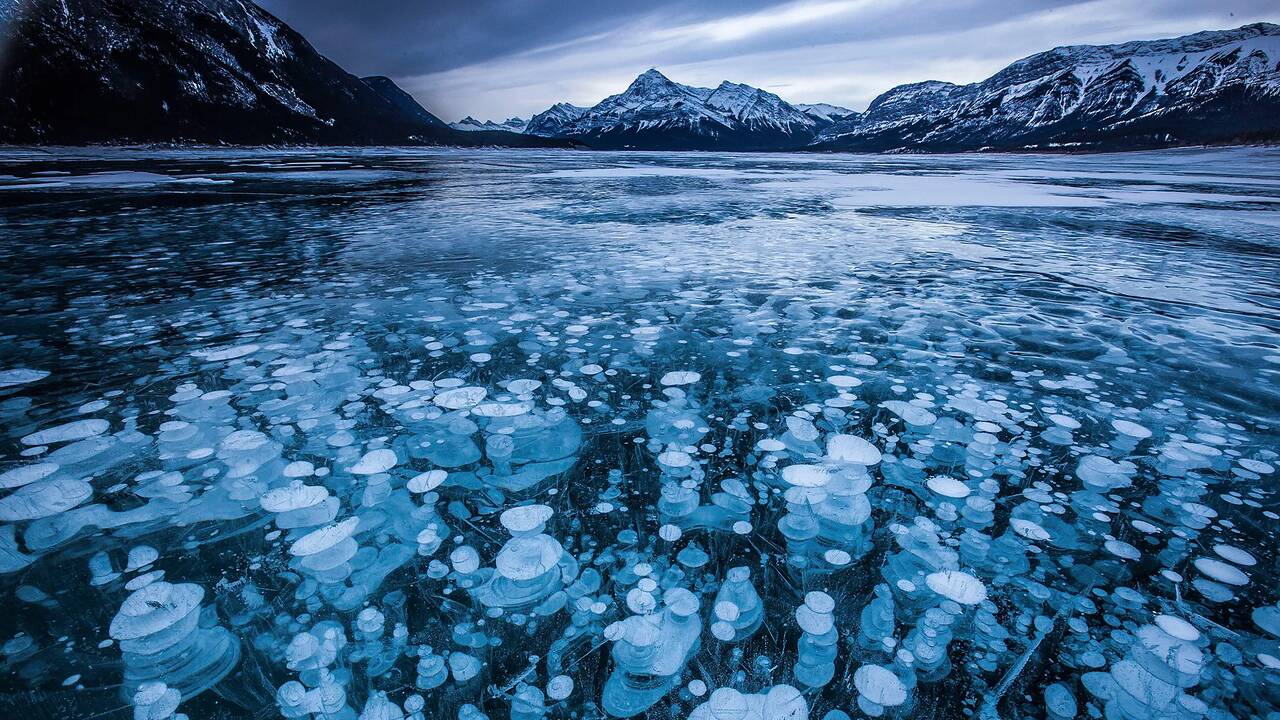
Calgary resident Maddy Tailor found herself on the trail "almost by accident", after driving for hours to nearby tourist drawcard Abraham Lake. "I met an older couple really into trains while I was camping at Preacher's Point who mentioned they'd just biked a section of the trail from Nordegg. They were sort of raving about it," she said.
After visiting the revitalised trail herself, Tailor wanted to bring her grandfather – a local history buff – to experience it. "It's a stunning spot," she added. "I can definitely see us camping along it… who knows, maybe my grandad will even learn a thing or two he didn't know about [Canadian] history."
 Alamy
AlamyAccording to Les Kozma, a historian who has studied western Canadian railways for more than 50 years, lines like the CNoR didn't just bring people and coal west during Canada's pioneering days; they also created many of the towns that still exist here today.
"This line was absolutely fundamental. Without railways, communities back then simply wouldn't have existed," said Kozma, noting that information placards placed along the trail highlight the CNoR's history. He explained that as mining settlements like Alexo, Saunders and Harlech grew along the line, steam engines and later diesel-electric locomotives would haul anywhere from 20 to 45 coal-laden cars along the railway.
But when coal demand declined after World War Two, the mines closed and rail traffic slowed. Rail services ended in 1985, and the rail corridor was officially abandoned the following year.
"To see [the CNoR] preserved rather than left derelict, that means a lot," Kozma said. "What's unusual about this line is how much of the infrastructure remained. In many places, the route was left intact. That's rare, and it's why this trail offers such a clear window into how this part of Canada was built."
Plans to preserve the abandoned railway and reopen the scenic corridor to the public began in 2009. Construction started in 2012, and Alberta's government joined the project in 2018, committing $8.5m toward developing trails, bridges and staging areas along the route.
Unlike the busloads of tourists who flock to Banff's dramatic peaks or Jasper's vast backcountry, the Rocky to Nordegg Rail Trail (roughly a two-to-three-hour drive north-east from these national parks), offers a quieter escape into the region's wilderness.
"This is big nature at a human pace," said Jon Mamela, chief commercial officer at Travel Alberta. "It's an easy entry point for travellers who may not be looking to pursue really difficult outdoor activities."
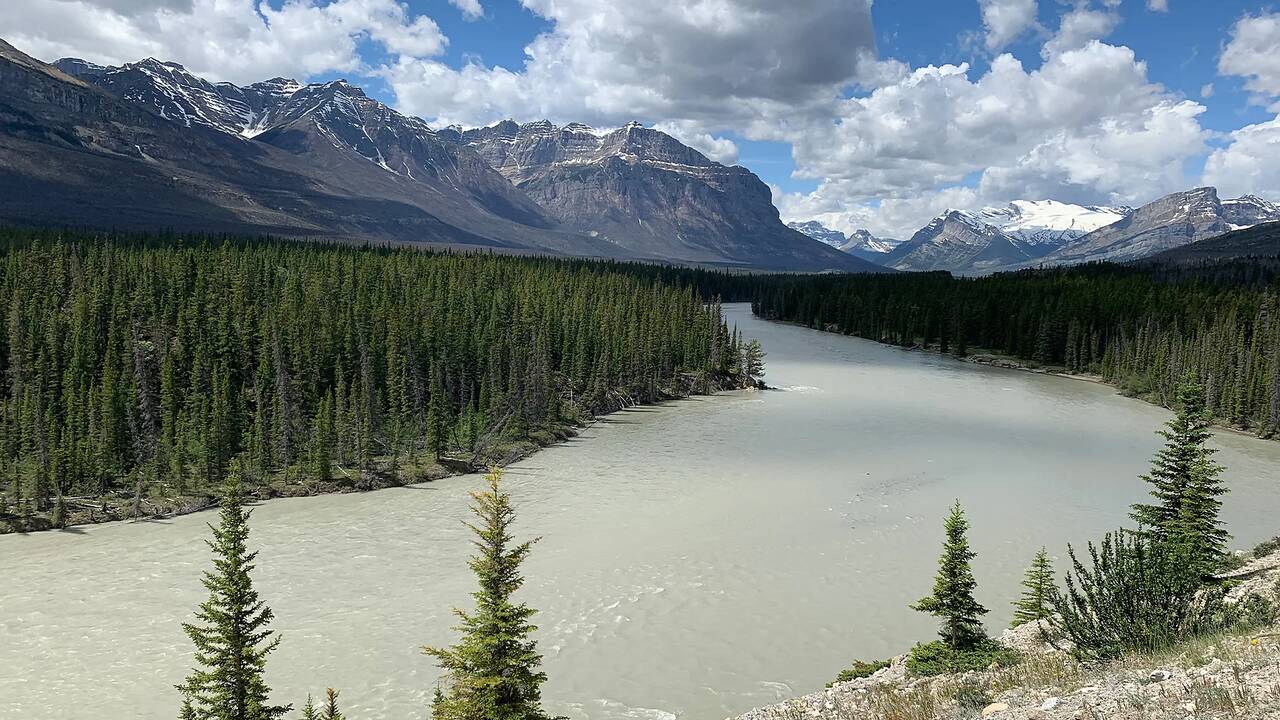
Designed for trains, the route's gentle gradients and long sightlines allow travellers to move at a steady pace. Along the way, they can paddle the North Saskatchewan River's Class II-III rapids at spots like Saunders Rapids and The Gap; or cast a line for bull trout (commonly found near Nordegg), mountain whitefish and brown trout (further downstream near Rocky Mountain House). Campers can pitch a tent beside wildlife-rich wetlands and caribou herds at the Old Saunders Town Site or Upper Shunda Creek Campground; while photographers will find no shortage of subjects – from wildflowers to mossy forest floors, mountain backdrops and the chance of spotting elk, deer, foxes or even mountain goats. Meanwhile, history buffs have plenty of reasons to linger at historical relics like remnants of the rail's original railroad ties.
 Getty Images
Mamela said the trail offers a way to experience an area that remains "quite undiscovered, even for Albertans".
"We don't really have a lot of [rail trails] in Alberta at this scale, this length and distance," he said. "So it's the type of experience that could really bring someone into the region for multiple days. Before this, a lot of people just drove through the region and didn't really stop and pull off the road for a photo."
More like this:
• The little-known hiking trail that built Canada
One of the path's main attractions is the Taunton Trestle Bridge, a 220m-long iron marvel located 65km west of Rocky Mountain House that supported the Brazeau Collieries coal mine until 1985. After decades of disuse, the riveted steel structure was renovated and redecked and a viewing platform for the bridge was also built in August 2025. The area includes access to the trail and sweeping views of the gorge below.
"Views from it are quite spectacular," said Jennifer Ariano, a Nordegg resident and the co-owner of Discover Nordegg & Abraham Lake – a non-profit collective of local tourism operators. "The colours are amazing in the fall, and you get these stunning views of the mountains and the valley below."
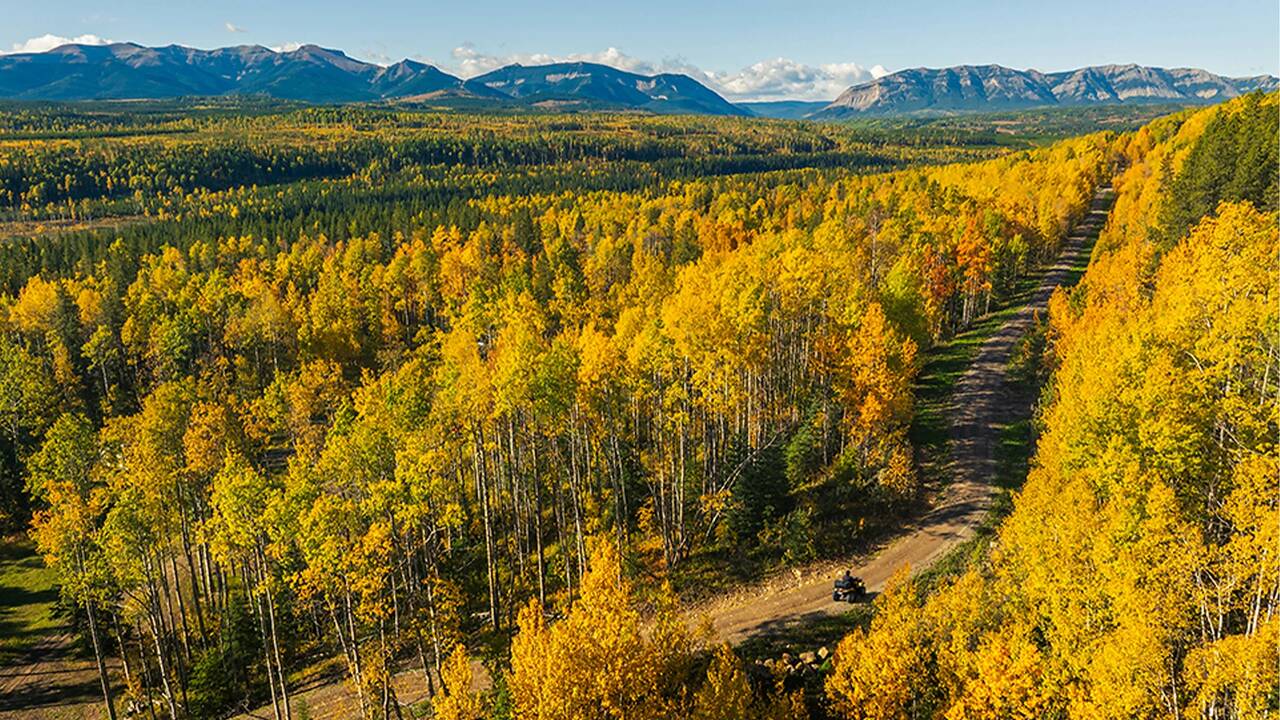
Nordegg-based mountain guiding company Girth Hitch Guiding's Nicole Barrett agrees, noting the trail and its surrounding area offer visitors the same stunning mountains, lakes and rivers of many of the Rockies' more famous national parks – "but with fewer crowds".
"The development is a great way to get more travellers into and through the area," she said.
Perhaps nowhere is the railway's historical legacy more tangible than in the former bustling coal town of Nordegg itself. "It was the [lifeblood] of the place," said Ariano. Travellers can still see traces of that era just two blocks from the trail's entrance in Nordegg at the Nordegg Discovery Centre & Brazeau Collieries Mine National Heritage Site, where visitors can descend into the preserved 1950s-built mine. Guided summer tours reveal how coal was processed and distributed across western Canada and how closely mining and railroads were intertwined.
Elsewhere, visitors can pair time on the trail with guided bike, ATV or hiking tours, or extend their stay in nearby cabins, lodges and campgrounds. A short walk from the trail, the Miners' Café is a local institution whose walls are lined with photographs from Nordegg's coal-mining past. For locals, eating a slice of warm, homemade pie here is an absolute must.
"If there’s one thing you need to do while you’re in Nordegg, it's have a piece of pie. It's the best there is," said Ron Patrick, affectionately known as "Bumpa" by area residents due to the sound his ATV makes as it travels along the rail trail.
 Aslinah Safar
As I continue along the path, I realise that what makes the trail so special aren't just the views and solitude, but how it reveals new sides and unexpected history lessons to my home province. These traces of coal, steel tracks and early industry are quietly woven through the wilderness, reminding me that this country was built as much by these remote corridors as by the mountains that now draw crowds.
If you liked this story, sign up for The Essential List newsletter – a handpicked selection of features, videos and can't-miss news, delivered to your inbox twice a week.