Hammanskraal’s dirty water nightmare puts ActionSA to the test
Scrolla | 08.11.2026 10:08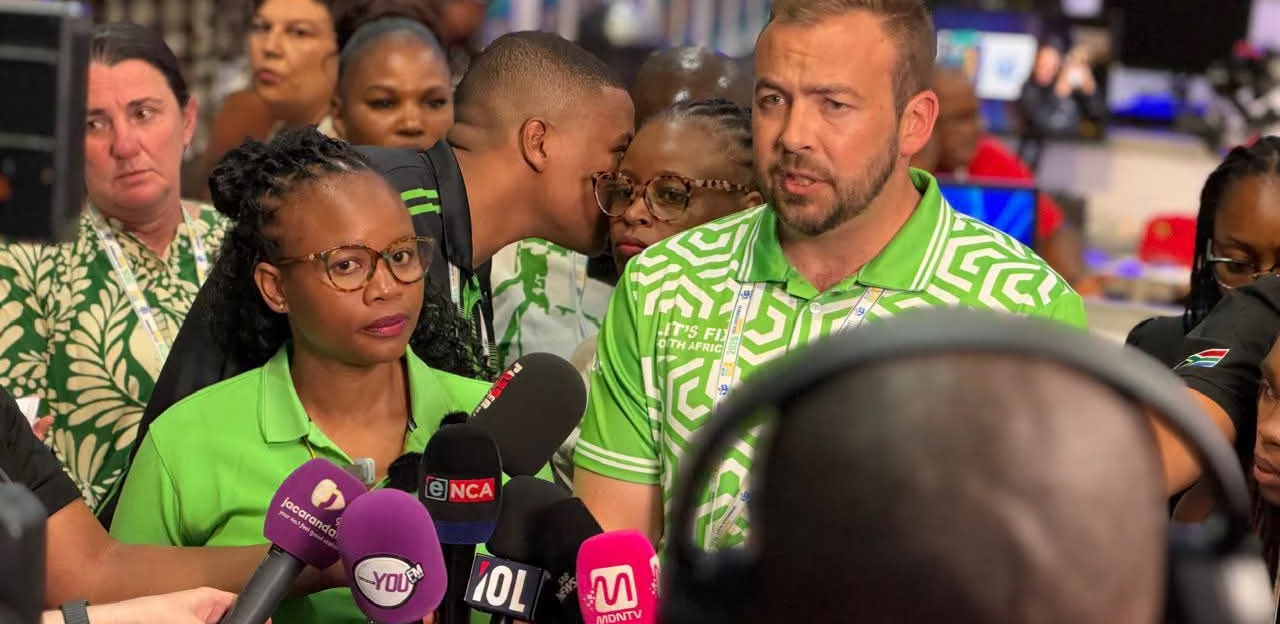
- The Democratic Alliance won 74 Tshwane council seats and ActionSA secured 48, leaving Nasiphi Moya needing coalition support to remain mayor.
- Hammanskraal’s water crisis has lasted more than 20 years, while contaminated water left 833 people ill in Bronkhorstspruit in October 2026.
Hammanskraal residents have waited more than 20 years for clean drinking water. Now the future of Tshwane Mayor Nasiphi Moya hangs on coalition talks.
Some families lost loved ones during the 2023 cholera outbreak. Others still spend their hard-earned money on bottled water because they cannot trust their taps.
ActionSA wants Moya to remain mayor for another five years. But the party cannot govern Tshwane alone.
By Saturday, 7 November, all votes had been counted.
The Democratic Alliance emerged as Tshwane’s biggest party with 74 council seats. ActionSA came second with 48, followed by the African National Congress with 44.
The council has 214 seats. A party or coalition needs 108 for a majority.
ActionSA national chairperson Michael Beaumont says the party is willing to negotiate with parties committed to better services, stable government and fighting corruption.
“We will be negotiating to ensure that Dr Nasiphi Moya gets five more years,” Beaumont said.
Moya remains mayor while parties negotiate. The new council must elect the next mayor.
On Sunday, 8 November, Moya credited her administration’s work for ActionSA’s election gains.
But Hammanskraal residents are still waiting for lasting improvements.
How the crisis unfolded
Hammanskraal’s water problems date back to 2004.
The failing Rooiwal wastewater treatment plant polluted the Apies River, which feeds the dam supplying water to the area.
In May 2023, cholera struck.
Hospitals treated patients suffering from severe diarrhoea and vomiting.
By 22 May, 10 people had died, as Scrolla.Africa reported in Hammanskraal cholera outbreak kills 10.
By July, the Department of Health (DoH) had recorded 35 deaths linked to the outbreak in Gauteng and 47 nationally, including suspected cases.
President Cyril Ramaphosa visited Rooiwal in June 2023 and promised action.
Although officials linked the area’s unsafe water to pollution from Rooiwal, investigators never confirmed the original source of the cholera outbreak.
The disaster exposed years of failing water systems and broken promises.
Since then, repairs have started and some communities have received cleaner water.
But the work remains unfinished.
Timeline of broken promises and progress
2004: Hammanskraal’s water problems begin, with pollution linked to the Rooiwal wastewater treatment plant.
May 2023: A deadly cholera outbreak hits Hammanskraal. Emergency water tankers supply affected communities.
June 2023: Ramaphosa visits Rooiwal and promises action to improve water services.
October 2024: Moya becomes Tshwane mayor through a coalition involving ActionSA, the African National Congress and other parties.
January 2025: Clean water starts following to selected areas through the Klipdrift treatment system.
February 2025: A power failure disrupts supply and brown water returns to Hammanskraal taps.
April 2026: Moya’s administration reports that two of four Klipdrift treatment units are complete. Repairs continue at Rooiwal.
October 2026: Contaminated water leaves 833 people ill in Bronkhorstspruit.
November 2026: ActionSA wins 48 Tshwane council seats but needs coalition partners to keep Moya as mayor.
ActionSA’s water test
Moya took office in October 2024, inheriting failing water systems and communities tired of promises.
The national government, Magalies Water and Tshwane had already started work on the R750-million Klipdrift project.
In January 2025, the first treatment unit began supplying clean water to selected communities.
It was designed to produce 12.5 million litres daily.
Moya also reported that investigations into the troubled Rooiwal contract had led to criminal referrals to the National Prosecuting Authority and possible disciplinary action against city officials.
But residents have not all seen lasting improvements.
In February 2026, Scrolla.Africa reported that Hammanskraal residents were still buying drinking water.
Resident Melusi Sibeko described spending part of his salary on bottled water.
The crisis has also cost taxpayers millions.
Scrolla.Africa’s investigation, Tanker mafia cash in on Tshwane’s water crisis, revealed that Tshwane spent R116-million on water tankers during the 2023/24 financial year.
Another water emergency
In October 2026, contaminated water caused another health emergency in Bronkhorstspruit.
Scrolla.Africa first reported that 408 people had fallen ill.
By 26 October, the number had risen to 833.
Government investigators found that the water treatment plant had supplied water without proper chlorine treatment from 24 September to 14 October.
Chlorine kills harmful germs and helps make drinking water safe.
Investigators also found that the city had failed to warn residents in time.
The city suspended the plant manager and ordered an independent investigation.
The plant was shut down for cleaning and repairs. By 26 October, officials said they had secured enough chlorine for several weeks.
Water tankers continued supplying affected communities while the plant remained closed.
Officials reported no deaths from the Bronkhorstspruit incident at that stage.
Tshwane’s water problems have continued under the Democratic Alliance, African National Congress and ActionSA.
The Democratic Alliance held the mayor’s office during the 2023 cholera outbreak. Moya took over in October 2024.
The national government, Magalies Water and Tshwane have shared responsibility for major water projects.
ActionSA can point to progress at Klipdrift, but the remaining treatment units still need to start working.
Rooiwal also needs lasting repairs.
The parties negotiating control of Tshwane must now explain how they will finish the work and prevent another health emergency.
For Hammanskraal residents, the test remains simple.
After more than 20 years of promises, they want water they can drink without fearing for their lives.