SNL missed the joke
Medium | 21.01.2026 08:19
SNL missed the joke
Follow
6 min read
·
1 hour ago
Listen
Share
How Comedy Lost Its Way in the Upside Down: The January 2026 episode proved that sometimes the real monster isn’t on screen—it’s behind the writers' desk
There’s a moment in every beloved institution’s life when it crosses a line so clearly drawn that you wonder if anyone in the room was actually paying attention. For Saturday Night Live—a show that’s survived five decades by supposedly reading the cultural room—that moment came on January 17, 2026, when Finn Wolfhard hosted an episode that felt less like cutting-edge satire and more like a relic excavated from comedy’s worst timeline.
A show called Stranger Things helped SNL become the strangest thing on television that night—and not in a good way.
The Upside Down of Comedy
The Later Years" sketch, a Sex and the City parody that managed to do what the Demogorgon never could: make viewers genuinely uncomfortable. The bit about Will Byers "coming out scene still going on"—complete with a five-minute stall before admitting he likes "D... and D—Dungeons and Dragons"—wasn’t just lazy. It was cruel.
Noah Schnapp’s actual coming-out scene in Season 5 was a hard-earned narrative moment that took hours to film, representing years of subtle storytelling about a character grappling with his identity in 1980s Indiana. The joke didn’t land because it wasn’t really a joke.

Comedy works when it punches up or illuminates truth. This punched down at LGBTQ+ representation and the very real labor of bringing authentic queer stories to screen.
The Coma "Joke" That Should’ve Never Woken Up
Then came the Max Mayfield line—the one where Lucas Sinclair quips that his girlfriend "just lies there like she's back in that coma."
Let me be clear about what happened here: SNL's writers crafted a punchline that requires the audience to find humor in either necrophilia, sexual assault, or such profound sexual dysfunction that an unconscious partner is the comparison point. Take your pick—they're all horrifying.
This wasn’t edgy. Edge requires skill, precision, and a scalpel’s touch. This was a sledgehammer painted to look like comedy, the kind of "shock humor" that reveals how little the writers understand about why certain subjects require care. The fact that it made it through multiple drafts, rehearsals, and a dress rehearsal speaks to a systemic failure in SNL’s creative process.
The Demogorgon in the Room
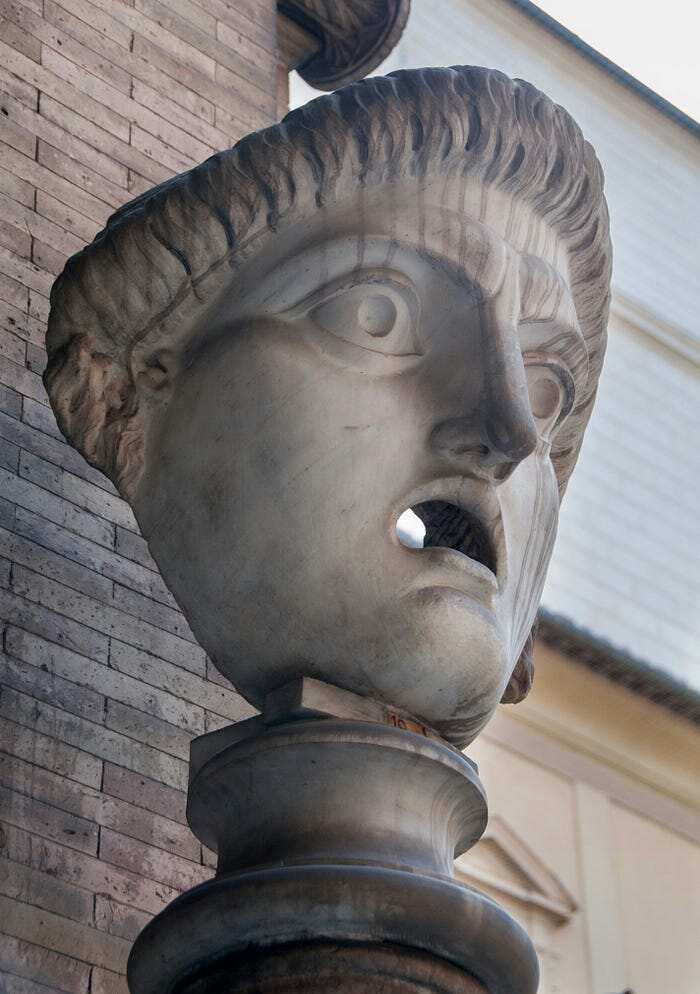
But perhaps nothing crystallized the episode's tonal deafness quite like Wolfhard's opening monologue joke about learning "what a woman looks like down there" on set, punctuated by footage of a Demogorgon's flower-petaled horror face.
Female anatomy = monster mouth. Get it?
This is the kind of joke that wouldn't have seemed fresh in a 1990s teen comedy, let alone 2026. It's the comedy equivalent of a dad joke, except dads have generally evolved past comparing women's bodies to nightmare creatures. The laziness is almost more offensive than the misogyny—almost. It reduces half the population's anatomy to a punchline so tired it should be in a coma itself (see what I did there? It's uncomfortable when the metaphor is inappropriate, isn't it?).
The Writers' Room Problem
The show has long struggled with how to handle material involving women and LGBTQ+ people. Not because the topics are too sensitive for comedy—great comedians prove otherwise weekly—but because the lens through which SNL often views these subjects remains fundamentally unchanged from decades past.
Comedy evolves. Audiences evolve. But institutional comedy—comedy written by committee in a pressure-cooker environment with outdated power structures—often lags behind, clinging to the ghost of transgression while missing what's actually transgressive now: authenticity, vulnerability, truth-telling that makes power uncomfortable.
What "Edgy" Actually Means
Let’s reclaim a word that’s been beaten to death in comedy discourse: edgy.
Get Celia Solstice’s stories in your inbox
Join Medium for free to get updates from this writer.
Subscribe
Subscribe
Edge isn’t offense. Edge is walking the line between comfort and discomfort in service of revelation. It’s finding the truth in taboo subjects, illuminating hypocrisy, making power squirm. Hannah Gadsby’s Nanette was edgy. Bo Burnham’s Inside was edgy. Those worked because they came from authentic places and served purposes beyond the shock.
Comparing vaginas to monsters? That's not edgy. That's just mean-spirited laziness wearing edge's clothing.
The Accountability Question
As the backlash mushroomed across X, TikTok, and every corner of the internet where Stranger Things fans congregate, the silence from SNL and Wolfhard has been deafening. No apology. No acknowledgment. Just the institutional response of powerful entertainment entities everywhere: wait it out, let it blow over, move on to next week.

This won’t blow over, because the landscape has fundamentally shifted. Audiences—especially younger audiences who grew up with Will Byers and have fought for every scrap of authentic representation in media—don’t just move on anymore. They remember. They organize. They hold institutions accountable.
The choice to remain silent isn't neutrality. It's a choice.
The Irony of It All
There’s something almost poetically tragic about the fact that Stranger Things—a show that’s actually done meaningful work in representing LGBTQ+ characters, trauma, and adolescent struggle—became the vehicle for SNL’s worst impulses.
It's like watching someone take a beautiful guitar and smash it against the wall, then wonder why the music stopped.
Where Do We Go From Here?
The truth is, SNL has been here before. Remember the backlash over certain sketches in the 2010s? The critiques of how they handled political satire? The ongoing conversations about diversity in the writers' room? Each time, there are promises to do better, occasional shifts in casting, but the fundamental DNA of the show—rushed, reactive, often relying on the easiest possible interpretation of "funny"—remains unchanged.
Real change would require SNL to fundamentally rethink its creative process. To bring in voices that don't just perform the comedy but shape it from conception. To understand that representation isn't just about who's on camera but who's holding the pen. To recognize that "we've always done it this way" is an epitaph, not a strategy.
But that would require admitting there's a problem beyond "one bad episode."
The Larger Picture
This controversy isn't really about one sketch show on one night. It's about the wider ecosystem of entertainment that still treats marginalized communities as acceptable targets for cheap laughs. It's about the pipeline from writers' rooms to screens that somehow filters out sensitivity readers but not sensitivity. It's about the assumption that comedy gets a pass on harm because it's "just jokes."
It's not just jokes. It never was.
Every joke is a worldview. Every punchline is a choice about who matters and who doesn't, who's in on the laugh and who's the target. When SNL chose to mock Will's coming out, to sexualize an unconscious teenage character, to compare women's bodies to monsters, they made choices about whose humanity was worth respecting.
They chose wrong.
We need to keep talking until the conversation shifts from "Did this go too far?" to "Why do we keep having this conversation about the same institution making the same mistakes?"
Because here's the real stranger thing: in 2026, with everything we know about representation, harm, and the power of media to shape culture, SNL looked at this material and thought, "Yeah, this is fine."
It wasn't fine. It isn't fine. And unlike the Upside Down, there's no Eleven coming to fix this with telekinesis—just audiences demanding better and institutions deciding whether they're brave enough to actually change.
The monster, it turns out, was in the building all along. And it looked a lot like complacency wearing a comedy mask.