Mthuthu: South Africa’s Rising Voice in African Folklore
SA Music Magazine | 12.02.2026 15:40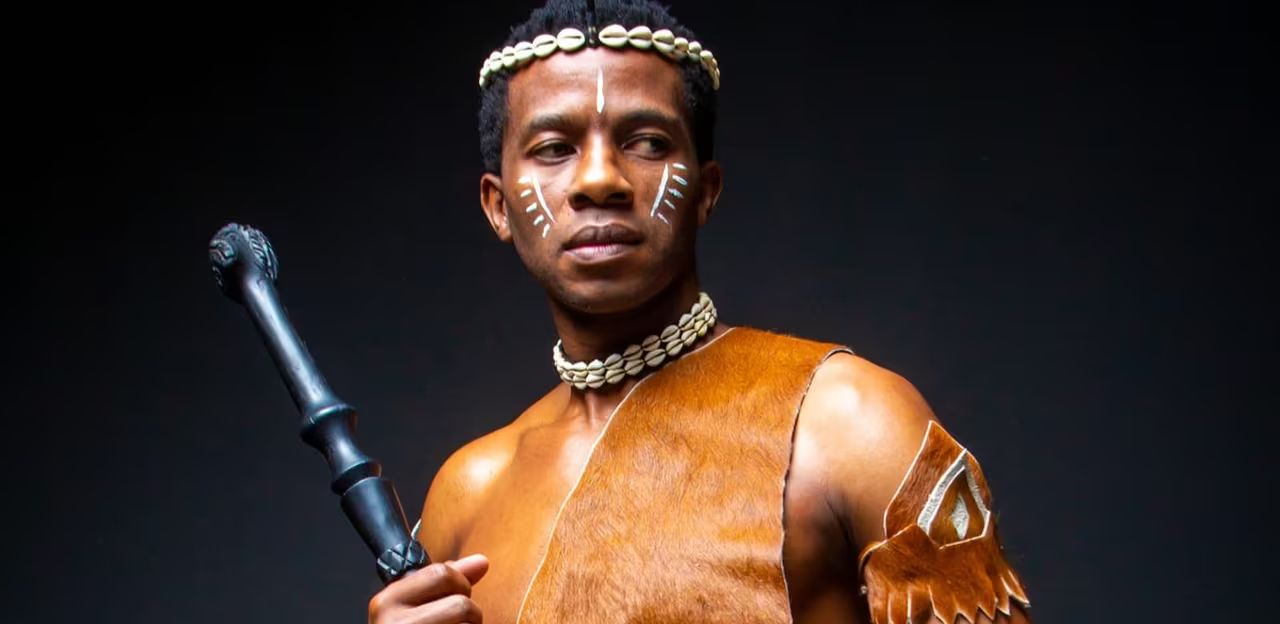
African folklore musician Mthuthu, born Ntuthuko Ndebele, is emerging as one of South Africa’s most authentic spiritual voices. At 38, the singer and storyteller from Ulundi in KwaZulu-Natal has become known for blending Nguni folk expression with the poetic depth and rich rhythms of the Amahubo tradition. His second album, Indumiso YabeNguni, has already earned him a nomination for Best African Adult Contemporary Album at the 2025 South African Music Awards. The album reflects a deep engagement with African culture and spirituality, aiming to fill the spiritual void many feel in daily life. Mthuthu’s approach to music goes beyond entertainment, offering a space for reflection, celebration, and connection to heritage.
Indumiso YabeNguni was inspired by the desire to provide more than just music; it was created to align with the needs of people in chaotic times. Following his debut album iNdumba, Mthuthu sought to craft work that celebrated Africanism while addressing spiritual and cultural gaps. He emphasizes that the album serves as a reminder of identity and tradition during moments when people may lose touch with themselves. The work combines traditional sounds with contemporary storytelling, creating music that is both reflective and accessible. Through this project, he communicates a deep respect for heritage while remaining relevant to modern audiences.
Being nominated for a Sama was a milestone in Mthuthu’s career. Sharing the category with established artists like Zoë Modiga, Zamajobe, Thandiswa Mazwai, and Ndu Shezi validated his contribution to African music. It confirmed his growth as both a musician and an individual, positioning him within the broader South African music ecosystem. Mthuthu sees the nomination as recognition of his alignment with the purpose of his music, signaling that his artistic path resonates with listeners and peers. This acknowledgment reinforces his commitment to preserving and innovating within the African folk tradition.
Mthuthu addresses misconceptions about his genre, particularly assumptions regarding age and experience. Many expect that traditional African music should only be performed by older individuals with a lifetime of cultural experience. He counters this by highlighting alignment and purpose over age, emphasizing collaboration with younger artists who bring fresh perspectives to language, writing, and conceptualization. This approach allows him to maintain authenticity while creating music that is innovative and connected to contemporary audiences. He believes the essence of African folk music lies in understanding and intention, not in generational boundaries.
His upbringing heavily influenced his musical path. Close relationships with his grandparents provided wisdom and understanding of culture that shaped his artistic identity. School and extracurricular activities instilled discipline, respect, and a sense of responsibility, reinforcing the connection between music, tradition, and behavior. Mthuthu’s culturally oriented upbringing instilled appreciation for heritage and taught him how to translate those lessons into music. He continues to draw on these roots to craft songs that reflect both personal and collective identity.
Fans can anticipate new ventures, including the upcoming Ingulo Tour and a collaboration with the author of the Nguni children’s book Izincwadi Zabantwana. This project focuses on cultural education, language preservation, and instilling values in young learners. Mthuthu’s work continues to expand the reach of African folklore music, bridging generations and providing meaningful experiences for listeners. His dedication to storytelling, spirituality, and tradition ensures that his music remains a vital part of South Africa’s cultural landscape.