Sri Lanka beyond the Cultural Triangle
A Luxury Travel Blog | 13.11.2026 17:32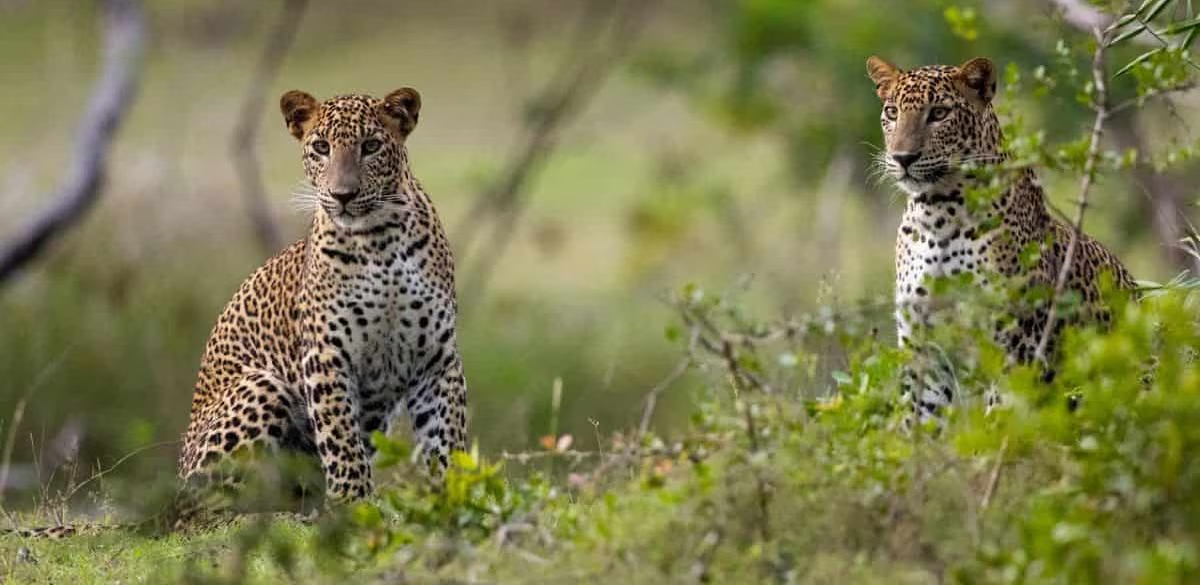
Sri Lanka is where we began in 2000, and it’s one of the countries I know best. I first visited in 2007, when I was living in India, and I spent five weeks travelling around the country. Since then, I’ve been back more than a dozen times, finding the places the locals know, the ancient monuments that don’t often feature in more mainstream trips to Sri Lanka, and the experiences that are about more than just ticking off a list.
Of course, I’d never tell anyone to skip the Cultural Triangle. Climbing Sigiriya early in the morning, the atmospheric painted cave temples at Dambulla and cycling between the ruins of Polonnaruwa are all wonderful, and should certainly be part of a first (or even second or third!) trip to Sri Lanka. But the island is much bigger than just one corner, and stepping off that well-trodden route can bring greater rewards, both in terms of getting away from the crowds and seeing something that isn’t in the guidebook.
Below are just a few places I’d suggest, from the far northern peninsula of Jaffna, which feels like another country altogether to a lake where elephants swim between islands.
When to go
Something that throws off many visitors (and isn’t always accounted for in off-the-shelf itineraries) is that Sri Lanka has two monsoons. This means that, whatever time of year you visit, somewhere on the island is usually having good weather. For instance, the southwest monsoon brings rain to the south and west coasts from around May to July. The northeast monsoon is heavier and reaches the north and east from roughly October to December. Between July and September the weather is mostly sunny, with short, warm showers.
If you’re looking for beachtime, the south and west coasts are generally best from December to March, while the east coast is best from April to September (which works well for school summer holidays). The hill country is at its best from February to April, and can be combined with the Cultural Triangle during those months, though it’s at its driest from June to August. If that’s not complicated enough, the weather patterns also shift from year to year, which is why it’s worth checking in with a Sri Lanka specialist before you settle on dates.
The east coast in summer
The east coast, from Trincomalee down to Arugam Bay, is generally quieter and much less developed than the south and west. As mentioned, it’s at its best in the summer months when the sea is calm and clear. In my opinion, Trincomalee has one of the finest natural harbours in Asia, watched over by the Koneswaram temple from its vantage point on Swami Rock. It’s a short boat ride from Nilaveli to Pigeon Island, where the snorkelling over the coral is among the best in the country.
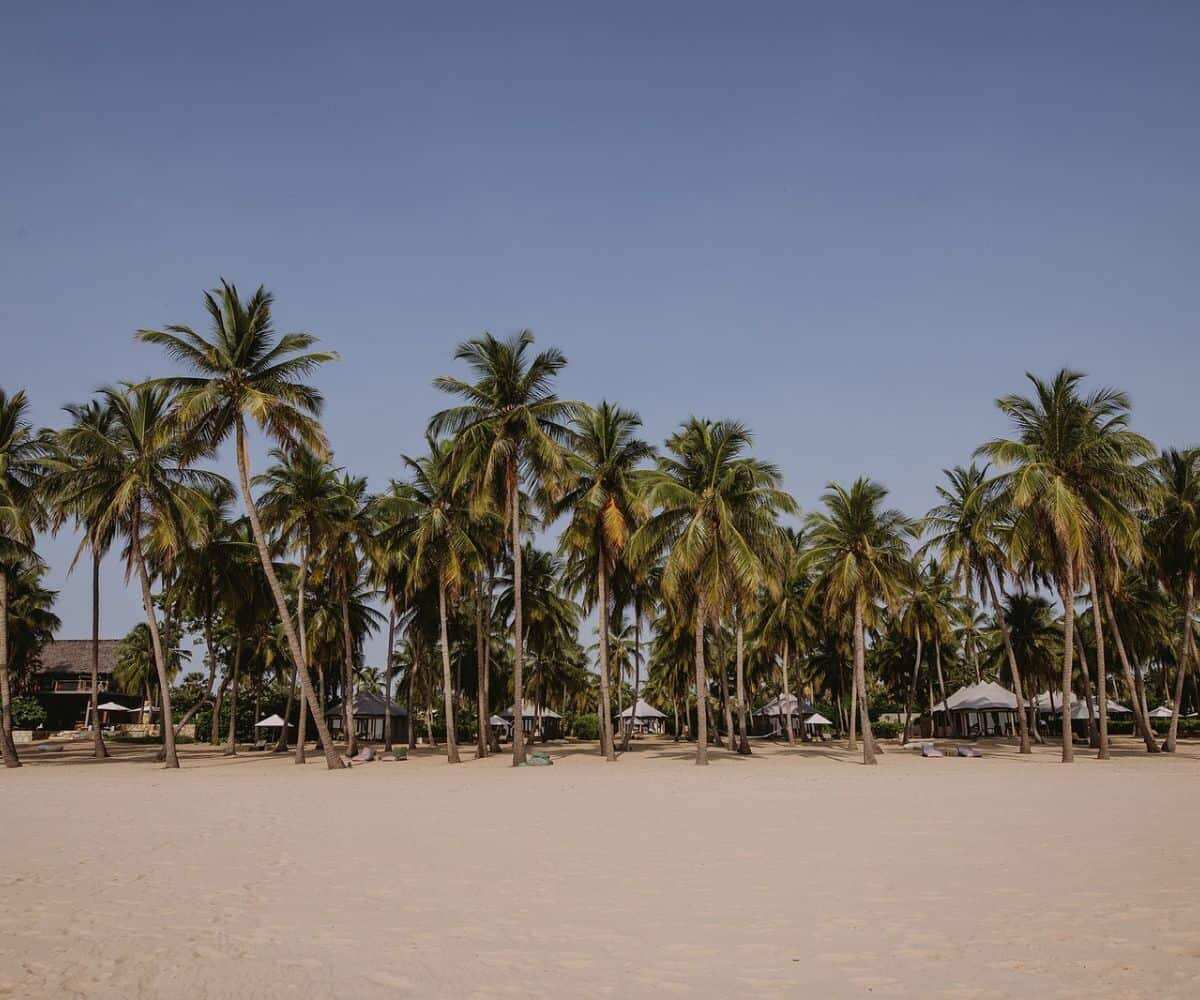
Another less-visited site is the Kayankerni reef, just north of Pasikudah, which became a marine sanctuary in 2019. Here you can snorkel with a local guide among coral, tropical fish and turtles, then go on a short coral walk before a delicious lunch overlooking the ocean. Summer is also whale season off Trincomalee and I love spending a morning on a crewed catamaran looking for blue whales and dolphins, then stopping to swim and paddleboard in the shallows on the way back.
Back on land, I’d recommend trying to see Puli Kooththu, a folk dance found only on the east coast. It tells local myths through music, drama and drumming, and the dancers have kept it alive for generations.
My favourite hotel here is Uga Bay, right on the beach at Pasikudah and just a short drive from the reef. As the bay is shallow and doesn’t have the strong currents of the south and west coasts, it’s a good place for children to swim. I’ve stayed there with my two children when they were young and from the beach to the hotel, it all worked perfectly for everyone in our family. The rooms curve around the pool and gardens, each with a terrace or balcony, and the two-bedroom Bay Suite is ideal for families.
Gal Oya
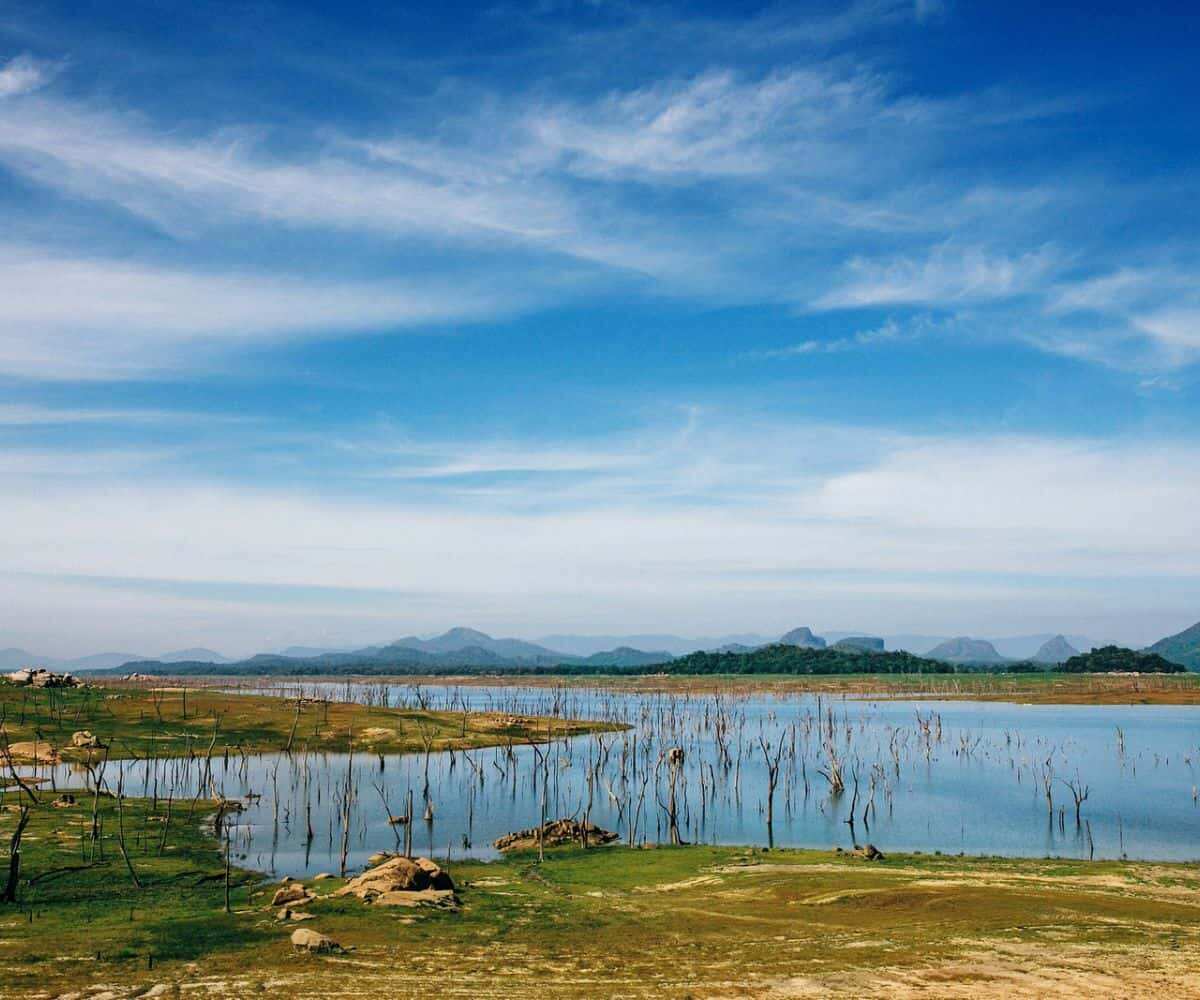
If I could send you to just one place on this list, it would be Gal Oya. I’ve been three times and couldn’t recommend it more. It’s built around the Senanayake Samudra – Sri Lanka’s largest reservoir – and is the only national park in Sri Lanka where you can take boat safaris. You drift past forested islands and, with some luck, see elephants swimming from one to the next.
My recommendation would be to stay at Gal Oya Lodge on the edge of the park. The nine thatched bungalows and family villa sit in 20 acres of its own forest and all have open-air bathrooms and are built with local materials so it feels like an organic part of the landscape. It’s worth making time in your itinerary for a morning in the forest with one of the last Vedda communities, Sri Lanka’s indigenous forest dwellers. A walk though the first is a chance to discover their traditional hunting methods and how they harvest wild honey, and you may hear them sing in their own language as you walk.
Getting there takes more than six hours from Colombo, which is a big part of why it’s so peaceful. I’d include it as a stop between the hill country and the east coast.
Kumana
Most people hoping to see leopards head to Yala but I’d argue that, much of the time, this is a mistake. Kumana, once called Yala East, is on the other side of the Kumbukkan Oya river and gets far fewer jeeps than Yala. While it does have leopards and elephants, the real draw is the birdlife. Around 255 species have been recorded here, and in May and June the Kumana Villu, a 200-hectare mangrove swamp, fills with nesting pelicans, painted storks and spoonbills.
Every year the Pada Yatra pilgrimage passes through the park, with Sinhalese and Tamil pilgrims walking to Kataragama. The main gate near Okanda is under an hour from Arugam Bay, so Kumana is easy to add to a summer stay on the east coast.
Walking in tea country
Of course, the hill country is well known and the train between Kandy and Ella gets very busy in peak season. But walking the Pekoe Trail is a completely different way to see it. It was Sri Lanka’s first long-distance walking route and runs for around 300km in 22 stages, from the hills outside Kandy to Nuwara Eliya via Hatton, Haputale and Ella. Much of it follows the old paths which were once used to carry tea from the estates to the factories, through working plantations, villages and patches of forest. Stage two ends at Loolkandura, where James Taylor planted Sri Lanka’s first commercial tea in 1867.
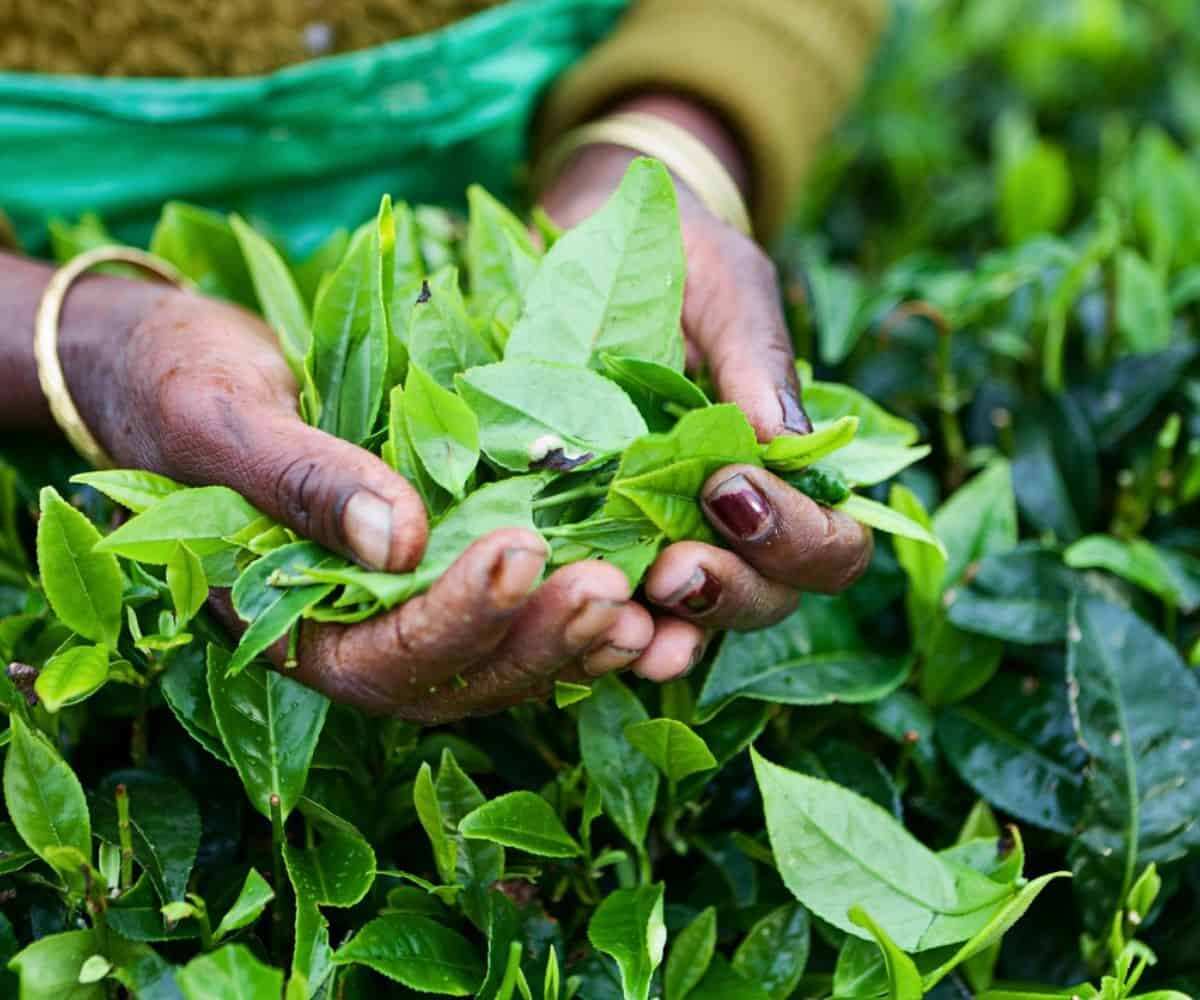
Most people walk a stage or two, and my favourite way is with Pavithra, which is one of our exclusive experiences. She was one of the first female guides on the trail and knows the route and estate life from the inside, having previously managed tea estates around Hatton herself with a father and grandfather who were tea planters. Women make up only around a tenth of Sri Lanka’s tourism workforce (our all-female sales team bucks this trend), which is another reason I like to send people her way.
Near Haputale, we can also arrange lunch with a Hindu family where you pick vegetables from their garden, cook it over the fire with them and eat rice and curry off banana leaves. Earlier generations of the family worked on the tea estates, and they’re happy to talk about how life here has changed.
For accommodation, Ceylon Tea Trails is hard to beat. Its five restored tea planters’ bungalows sit around the Castlereagh Reservoir near Hatton, in the Bogawantalawa valley, often called the Golden Valley of Tea. It was the first Relais & Châteaux property in Sri Lanka and is the perfect base for walking or cycling to some of the neighbouring bungalows for lunch or afternoon tea, and the Pekoe Trail stages around Norwood and Bogawantalawa run through the valley.
Wilpattu
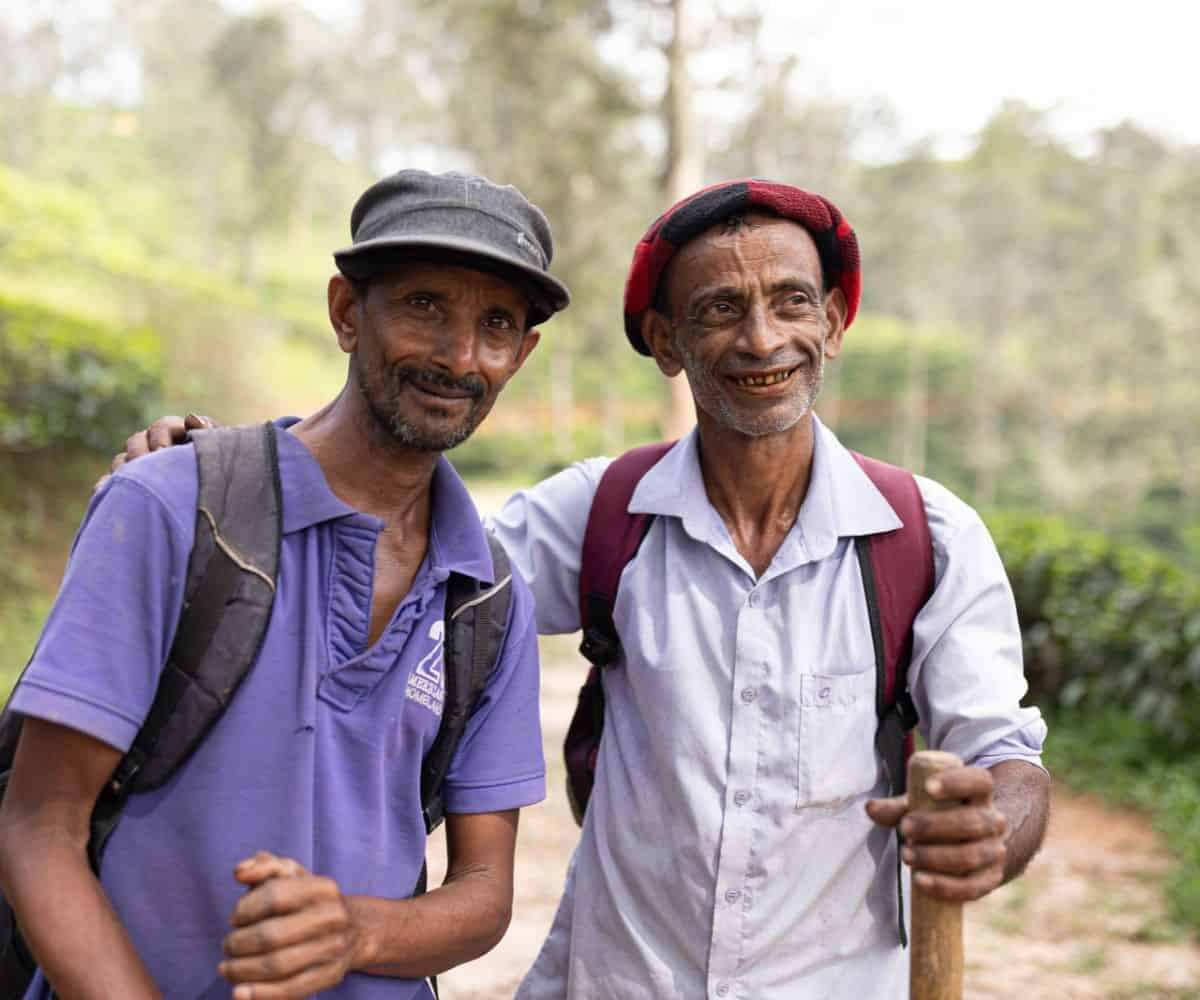
As Sri Lanka’s largest national park, Wilpattu boasts more than 1,300 square kilometres of forest and scrub in the northwest. Its name means land of lakes, which makes sense once you’re amongst the dozens of natural rain-filled lakes, or villus, found across it. These natural watering holes bring wildlife, so you might spot leopards waiting in the scrub near the water, and it’s one of the best places in the country to see sloth bears. If you can, go between May and July, when they come out to feast on palu fruit.
The park was closed for much of the civil war and reopened in 2010 but still doesn’t attract as many visitors as Yala, and is so big that even on busy days it feels empty. The size does mean the animals are more spread out though so you need more patience than at Yala.
Leopard Trails, a luxury tented camp just outside the park, is where I’d stay. Its Junior Ranger programme gets children tracking animals and identifying birds and it’s just 40km from Anuradhapura, so it’s easy to combine with the Cultural Triangle. If you’re planning a trip to Wilpattu, ask us about kayaking the Malwathu Oya. More than 2,000 years ago, this quiet river carried goods from the port of Mannar to Anuradhapura, and today you paddle it under the forest canopy. This is one of our own experiences and it’s great for active families with children over the age of six.
Wasgamuwa and Dimbulagala
Wasgamuwa is around two hours’ drive from Sigiriya and much quieter than the better-known Minneriya. It was first protected as a nature reserve in 1938 and became a national park in 1984 and today has around 150 elephants living among its grasslands, swamps and forest.
I’d suggest an afternoon safari here with field researchers from the Sri Lanka Wildlife Conservation Society. They’ve spent years helping farming villages and elephants live side-by-side, for example by planting citrus trees as living fences, because elephants won’t raid them. On a full day with them you also visit village homes to see this in action and part of what you pay goes directly to the society.
For active teenagers, I’d also suggest the Trail to the Heavens at Dimbulagala, about an hour and a half from Dambulla or Habarana. While it’s a tough hike, and only a handful of people walk it each year, (for this reason it’s for those aged 15 and over), the route takes you through ancient forest and across bare rock to the narrow ledges where monks once meditated.
Jaffna and the islands
Few first-time visitors make it to the far north of Sri Lanka and it feels very different from the rest of the island. The main city, Jaffna, is the heart of Sri Lankan Tamil culture, with a Hindu temple on almost every street.
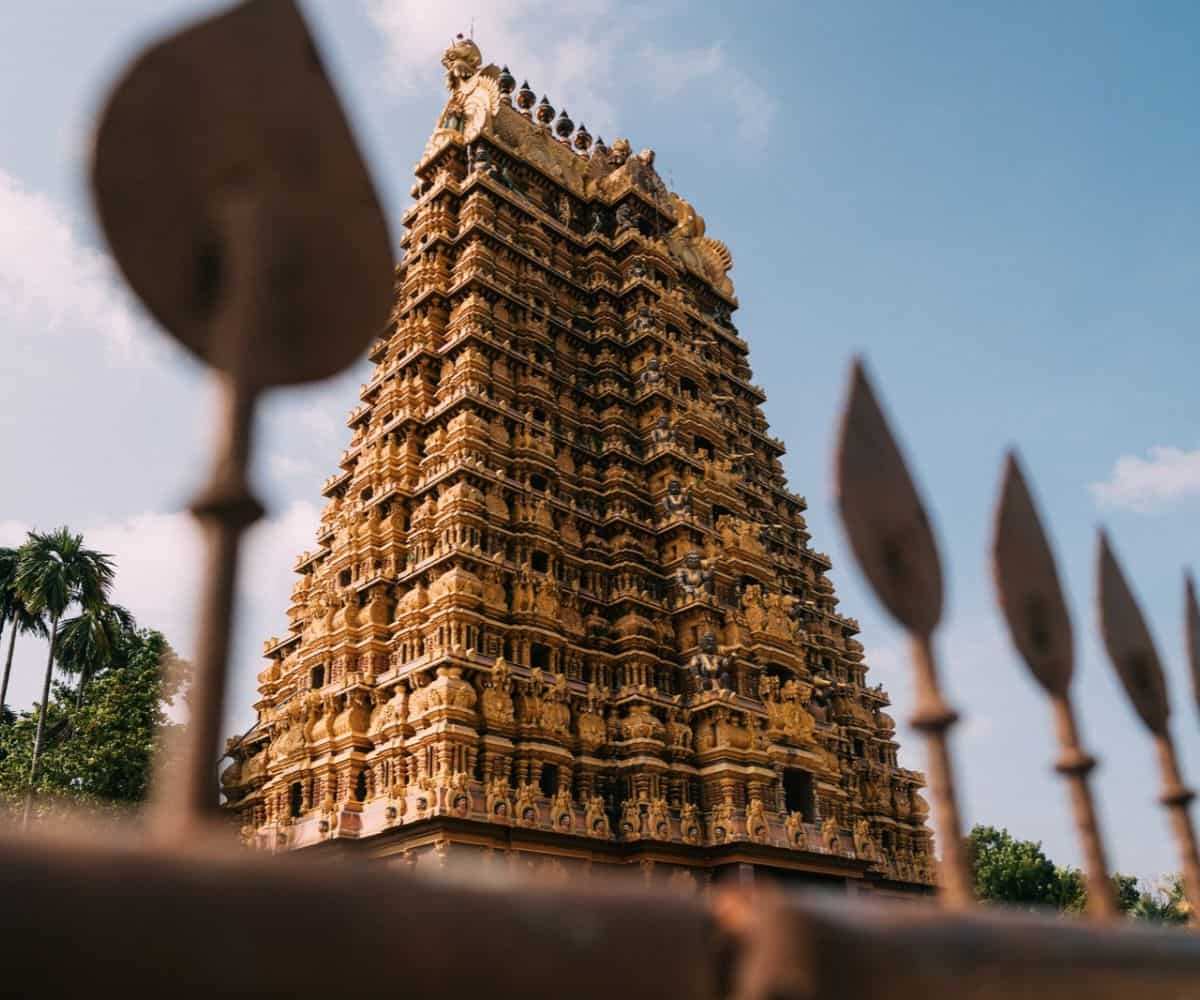
My favourite day out is by private boat to Delft, a remote island with coral stone walls, wild horses left behind by the Portuguese and a baobab tree said to have been a gift from Arab traders. On the peninsula, I’d go out on the lagoon in an outrigger canoe, then eat a Jaffna crab curry made by local women with the fresh catch. Jetwing Jaffna makes a comfortable base, and its rooftop bar is a perfect place to end the day with an arrack cocktail overlooking the lagoon.
Putting a trip together
The beauty of Sri Lanka is that you don’t have to choose between these places and Sigiriya. Most of the luxury tours we design in Sri Lanka include a few days among the ancient cities, then move on to somewhere like Wilpattu or Gal Oya. Of course, while it’s a relatively small island, it’s easy to underestimate travel times – distances look short on a map but the roads are slow, so the order you travel in and the time of year matter a lot. A private chauffeur guide makes a real difference here – they know the roads well and can break up the longer drives with stops along the way. If you’re planning a tailor-made trip in the school holidays, talk to a specialist early, as the smaller lodges only have a handful of rooms and fill up well in advance.