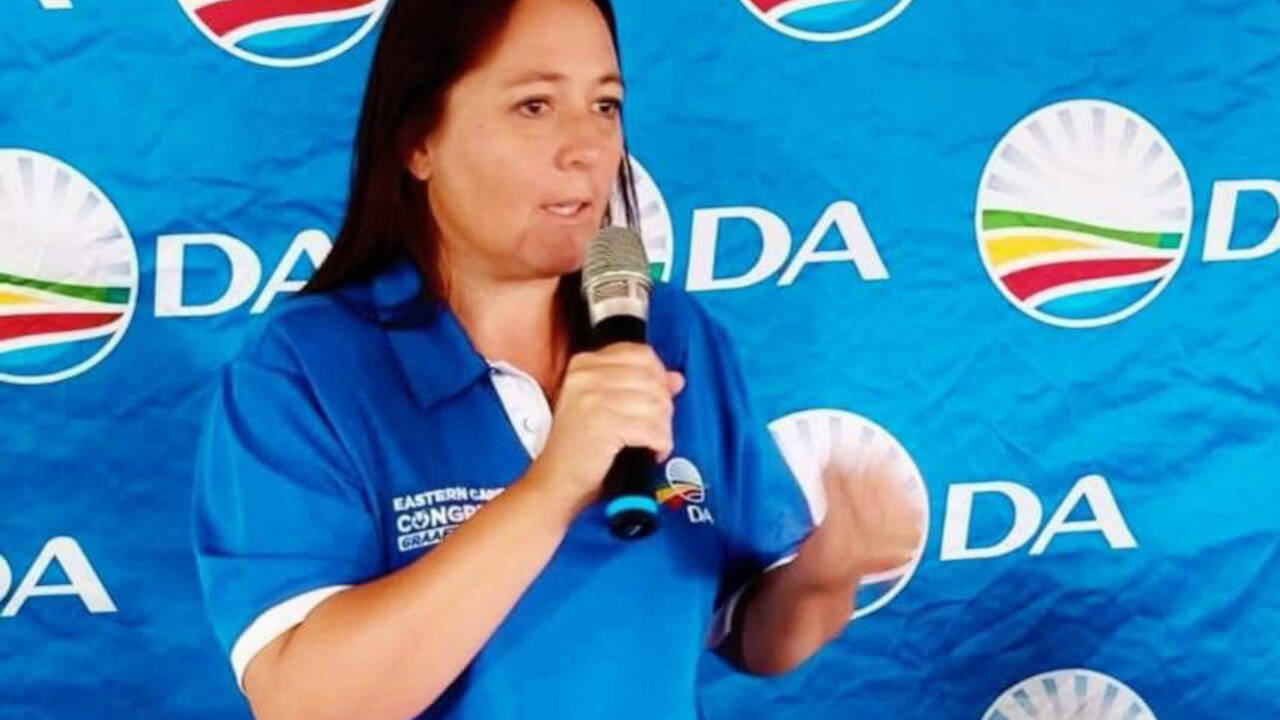
Mia le Roux on Public Speaking With a Hearing-Impairment
Good Things Guy | 25.02.2026 19:00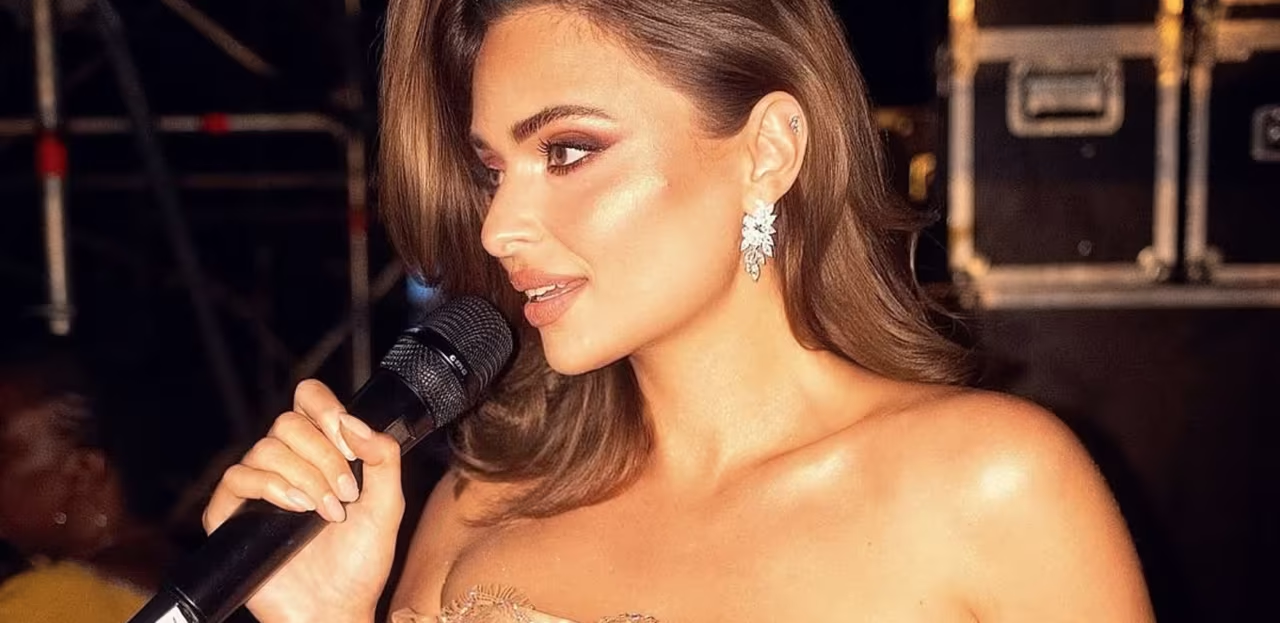
Even without a crown, former Miss South Africa Mia le Roux is still leading by example and proving that representation lies in being confident in what makes you stand out.
South Africa (25 February 2026) – The South African beauty recently opened up about the inner work it took in embracing her voice, and why she refuses to be silenced by online bullies.
It’s a message that perhaps we all need to hear…
Throughout her historic reign as Miss South Africa, Mia taught us that being ‘differently-abled’ isn’t a limitation, it’s a superpower.
Many will know that she became the first hearing-impaired woman to wear the Miss South Africa crown. Under that spotlight, she brought awareness to the challenges that differently-abled people face, often not considered in public spaces where abled people are the majority.
But even for a queen, the internet can sometimes be a frightening, nasty place.
Mia’s recent message online drew attention to a challenge many might not even realise she faces. The sound of her own voice. She admitted that for a long time that she hesitated to let anyone actually hear her speak.
“There was a time I never wanted anyone online to hear my voice,” she shared. “I did a lot of inner work and decided that the only way people will get used to my accent is by being exposed to it.”
For those with hearing impairments, tone and volume control can influence what a person’s ‘accent’ sounds like.
“I don’t know what everyone else hears when I speak. My mom has lovingly told me that it’s really not bad, that I just don’t necessarily always have the right tone and volume control. I could live with that. But every time I speak online or to the public it always feels like a little wild trust game. And people are friendly most of the time, especially to my face.”
She wasn’t immune to the sometimes hurtful comments that inevitably trickled through the internet. Mia recalled instances where people ‘politely’ suggested she shouldn’t do voiceovers, which left her wondering if they were actually just being back-handedly mean.
“Were they trying to say that my voice is bad in a nice way? And still to this day it sometimes will just itch me out of nowhere. A comment I always remember with a sense of cringe when I get requested to do a voiceover. And this is one of many ambiguous comments.”
Instead of giving into that negativity (and words can hurt like knives), Mia, ever the champion of inclusivity, chooses a different path. One that lifts her voice up even higher.
“I always come to the same conclusion, the only way others will get used to it, is if I use it. I want to show it is okay to sound different.” she says. “Visibility is uncomfortable sometimes. But exposure creates normalisation. And representation doesn’t happen in silence.”
During her reign – which ultimately saw her pass the baton to Qhawekazi Mazaleni last year – Mia faced a whirlwind of public scrutiny. From her withdrawal from Miss Universe to the ‘trolls’ who questioned her relationship with music as someone who is hearing-impaired.
“I was never angry. I was confused. I was navigating something new as this really became a thing during my reign with many hurtful comments online as well as many ambiguous comments to my face.”
Through it all, she maintained that empowerment happens by speaking up. Her voice became her most impactful tool.
Mia reminded us today that ‘normal’ is such a relative term. By choosing to do voiceovers on her videos, speak at events, and share her life authentically, she is dismantling the hurtful stigma surrounding hearing-impaired speech patterns. That representation means everything to the next generation of young girls who are hard-of-hearing or differently-abled.
She admits that some days she still feels confused or hurt by the comments, but that doesn’t stop her from using her voice.
“Some days I just want to hide behind my pillow. But most days I choose to be heard, because on days like this I am reminded that the same God who created this universe also created me.” she shared.
And that’s the message we all need to hear today. Our ‘accents’ – whether physical or metaphorical – are what make our stories worth listening to.
Do you have something to add to this story? Please share it in the comments or follow GoodThingsGuy on Facebook and Twitter to keep up to date with good news as it happens, or share your good news with us by clicking here or click the link below to listen to the Good Things Guy Podcast with Brent Lindeque – South Africa’s very own Good Things Guy. He’s on a mission to change what the world pays attention to, and he truly believes there’s good news around us. In the Good Things Guy podcast, you’ll meet these everyday heroes and hear their incredible stories:
Or catch an episode of Good Things with Brent Lindeque or our Weekly Top 5 below. The videos here are always changing, updated with the latest episodes from these two shows. Both are part of Good Things TV, created to bring South Africans balance at a time when the news can feel overwhelmingly negative. Our goal is simple: to remind you that there are still so many good things happening in our country – and to leave you feeling a little more proudly South African.