On the Simple Privilege of Walking
Medium | 31.01.2026 01:12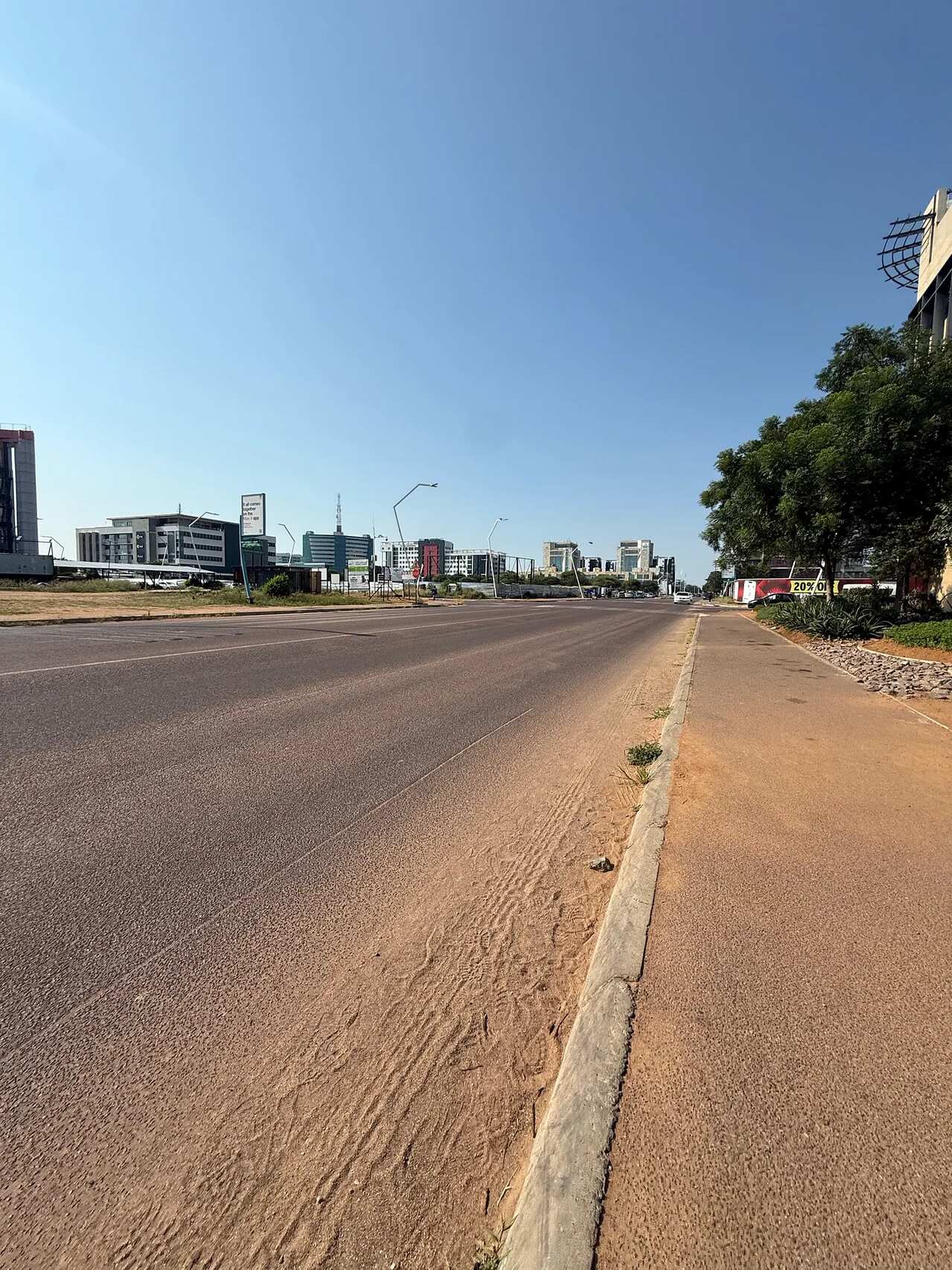
On the Simple Privilege of Walking
3 min read
·
1 hour ago
--
Listen
Share
On safety, dignity, and the body in public space
Photo taken walking to the office in Gaborone CBD
One of the quiet wounds of living in South Africa is the limited ability to walk without calculation.
Not strolling. Not wandering. Not moving just because your body wants to move. But measuring distance, scanning faces, tracking exits, managing risk.
When I travel across the rest of Africa (a continent I deeply love) my colleagues don’t always understand why I insist on walking. Why I choose the pavement instead of the car. Why I linger in streets that feel ordinary to them and sometimes unbearably hot for them.
Walking for me scratches something deeper than fitness. It touches a longing. A yearning for a version of home that feels safe, open, unguarded. A country where the body doesn’t have to negotiate with fear to exist in public space.
But it also confronts me with another truth.
Photo taken at 22:58 in Accra: Freedom Square
Even in places where walking feels safe, I am reminded and aware that safety does not land on all bodies the same way. That ease is not evenly distributed. That freedom is not neutral. That gender changes how space is experienced. Having a daughter further accentuates my awareness of this.
Living in a society riddled with gender-based violence, the simple act of walking is strategic. It is planning. It is routes, clothing, phone calls, shared locations, contingency.
For many women in South Africa, there is no romance in movement. No poetry in wandering. No healing in walking. Only vigilance. So when I walk freely in other cities, I’m not only touching my own longing for safety; I’m becoming more aware of how unevenly safety is distributed. How freedom in public space is not shared equally. How fear unfortunately has a gender.
For those who live in these cities, walking is convenience.
For me, it is tickles memory, holds symbolism, and meaning all intersecting at once.
It is grief for a country that trained my nervous system to be alert with the full knowledge that this compounded for my wife. It is gratitude for streets that allow my body to exhale.
And it is humility, the understanding that even my freedom is not evenly human.
The simple privilege of walking is not simple at all.
It is dignity. It is safety. It is gendered. It unfortunately becomes political. Ultimately it is psychological.
Photo taken walking in Kampala
I have come to realise that every step I take in cities where I can walk freely is not just movement; it is mourning, gratitude, and responsibility woven into the same stride.