Healthy Breakfasts Kids Will Actually Eat
Foodie | 13.08.2026 14:06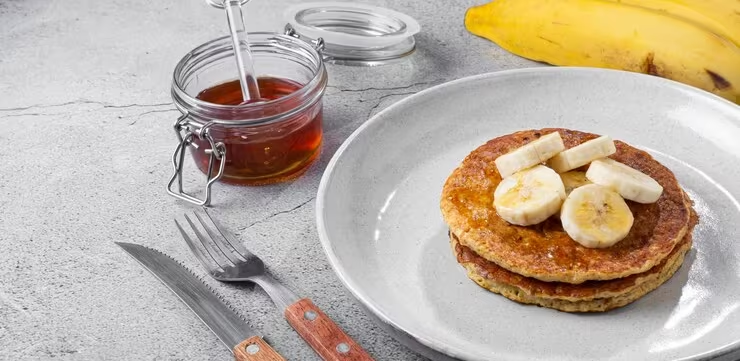
Getting children to eat a nutritious breakfast can be challenging, especially on busy school mornings when everyone is trying to get ready on time. The key is to serve healthy foods in familiar, appealing forms rather than making breakfast feel like a negotiation. A balanced breakfast can include whole grains, fruit, dairy or alternatives, eggs, nut butters and other ingredients that provide lasting energy for the morning. You also do not need complicated recipes or expensive ingredients to create meals that children enjoy. Simple choices such as banana pancakes, fruit yoghurt bowls and egg muffins can make nutritious food more exciting without relying heavily on added sugar. Offering children some choice over toppings and flavours can also encourage them to try foods they might otherwise reject. These healthy breakfast recipes for kids are designed to be practical, tasty and easy enough for families to make regularly.
A good breakfast should provide a combination of carbohydrates, protein, healthy fats and fibre. This combination can help make breakfast more satisfying than a meal based mainly on sugary cereals or pastries.
Whole grains such as oats, wholewheat bread and wholegrain flour provide fibre and carbohydrates. Eggs, plain yoghurt, milk, cheese and nut butters can provide protein, while fruit adds natural sweetness, fibre and a range of vitamins and minerals.
Portion sizes should match your child’s age and appetite. Younger children may prefer several small foods rather than one large meal, while older children may need a more substantial breakfast before a long school day.
1. Banana Oat Pancakes
These banana oat pancakes are naturally sweet from ripe bananas and require no large amount of added sugar. They are soft enough for younger children and can be served with a variety of toppings.
Ingredients
- 2 ripe bananas
- 2 large eggs
- 120 g rolled oats
- 100 ml milk
- 5 ml vanilla extract
- 5 g baking powder
- 2.5 ml ground cinnamon
- 1 pinch of salt
- 5 ml vegetable oil, for cooking
Place the bananas in a bowl and mash them until mostly smooth.
Add the eggs, milk and vanilla and whisk until combined.
Blend the rolled oats into a fine flour using a food processor or blender.
Add the oat flour, baking powder, cinnamon and salt to the banana mixture.
Stir until a thick batter forms.
Heat a non-stick frying pan over medium-low heat and lightly grease it with the oil.
Spoon approximately 45 ml batter into the pan for each pancake.
Cook for 2 to 3 minutes until bubbles appear on the surface and the edges look set.
Flip carefully and cook for another 1 to 2 minutes.
Serve warm with sliced banana, berries, plain yoghurt or a small drizzle of honey.
Kid-Friendly Topping Ideas
Set out several toppings and let children build their own pancakes. Try sliced strawberries, banana, blueberries, plain yoghurt, chopped nuts or a thin spread of peanut butter.
If you are serving young children, chop nuts finely or choose smooth nut butter according to their age and allergy needs.
2. Creamy Apple Cinnamon Overnight Oats
Overnight oats are useful when mornings are rushed because you prepare them the night before. The oats soften in the refrigerator and absorb the milk and yoghurt, creating a creamy breakfast without cooking.
Ingredients
- 80 g rolled oats
- 150 ml milk
- 80 g plain yoghurt
- 1 small apple, finely diced
- 5 ml honey
- 2.5 ml ground cinnamon
- 5 ml chia seeds, optional
- 10 g raisins, optional
Add the oats, milk, yoghurt, honey and cinnamon to a container with a lid.
Stir thoroughly.
Add the diced apple, chia seeds and raisins.
Mix again and cover.
Refrigerate overnight or for at least 4 hours.
Stir before serving.
Add a small amount of extra milk if the oats are too thick.
For a warmer breakfast, transfer the oats to a saucepan and heat gently until warmed through.
The apple and cinnamon combination gives the oats a familiar flavour that works well for children who are hesitant about plain porridge.
3. Mini Egg and Vegetable Muffins
Egg muffins are a convenient way to include vegetables and protein in a breakfast that children can eat with their hands. They can also be prepared ahead of time and reheated when needed.
Ingredients
- 6 large eggs
- 50 ml milk
- 60 g grated Cheddar cheese
- 1 small carrot, finely grated
- 50 g red pepper, finely diced
- 30 g baby spinach, finely chopped
- 2.5 ml dried mixed herbs
- 1 pinch of salt
- Black pepper, to taste
- 5 ml vegetable oil, for greasing
Preheat the oven to 180°C.
Lightly grease a 12-hole muffin tin.
Whisk the eggs and milk together in a large bowl.
Stir in the cheese, carrot, red pepper, spinach and mixed herbs.
Season lightly with salt and black pepper.
Divide the mixture evenly between the muffin holes.
Bake for 15 to 18 minutes until the egg muffins are puffed and fully set in the centre.
Allow them to cool for a few minutes before removing them from the tin.
Serve with wholewheat toast and fresh fruit.
You can replace the vegetables with sweetcorn, mushrooms, courgette or finely chopped cooked broccoli. Avoid adding vegetables with excessive moisture unless you cook and drain them first.
4. Yoghurt, Berry and Granola Breakfast Cups
A yoghurt breakfast cup can look more like a dessert while still providing a nutritious combination of ingredients. The colourful layers can also make breakfast more appealing to children.
Ingredients
- 400 g plain or vanilla yoghurt
- 150 g mixed berries
- 100 g banana, sliced
- 80 g low-sugar granola
- 20 g pumpkin seeds, optional
- 10 ml honey, optional
Divide half of the yoghurt between four small bowls or glasses.
Add a layer of berries and banana.
Sprinkle over some of the granola.
Add the remaining yoghurt.
Finish with more fruit and granola.
Sprinkle with pumpkin seeds if using.
Drizzle with a small amount of honey if additional sweetness is needed.
For younger children, serve the ingredients in a bowl rather than a glass and chop the fruit into appropriate bite-sized pieces.
5. Cheesy Breakfast Quesadillas
Breakfast quesadillas are a useful option for children who prefer savoury meals. The crispy tortilla and melted cheese make the dish familiar while eggs and vegetables provide more substance.
Ingredients
- 4 wholewheat tortillas
- 4 large eggs
- 80 g grated Cheddar cheese
- 50 g sweetcorn
- 50 g finely diced red pepper
- 30 g baby spinach, finely chopped
- 5 ml olive oil
- 1 ml paprika
- Salt and black pepper
Heat the olive oil in a frying pan over medium heat.
Add the red pepper and cook for 2 minutes.
Add the spinach and sweetcorn and cook for another minute.
Whisk the eggs with the paprika, salt and black pepper.
Pour the eggs into the pan and gently scramble with the vegetables.
Remove from the heat once the eggs are cooked but still soft.
Place a tortilla in a clean frying pan over medium heat.
Spread half of the egg mixture over one side.
Sprinkle with cheese.
Fold the tortilla in half.
Cook for 2 to 3 minutes on each side until golden and the cheese has melted.
Repeat with the remaining ingredients.
Cut into wedges and serve warm.
6. Peanut Butter and Banana Wholewheat Toast
Some mornings call for something extremely simple. Wholewheat toast with peanut butter and banana takes only a few minutes to prepare and can be adapted to suit different tastes.
Ingredients
- 4 slices wholewheat bread
- 60 g smooth peanut butter
- 2 bananas
- 2.5 ml ground cinnamon
- 10 g chia seeds, optional
Toast the bread until lightly golden.
Spread each slice with peanut butter.
Slice the bananas and arrange them over the toast.
Sprinkle with cinnamon and chia seeds if using.
Serve immediately.
For children with nut allergies, use a suitable seed butter instead of peanut butter.
7. Quick Berry and Banana Smoothie
Smoothies can be useful when children enjoy fruit but are less interested in sitting down for a large breakfast. Including yoghurt, milk or another protein-rich ingredient makes the smoothie more substantial.
Ingredients
- 1 banana
- 150 g frozen mixed berries
- 200 ml milk
- 100 g plain yoghurt
- 5 ml honey, optional
- 2.5 ml vanilla extract
Place all the ingredients in a blender.
Blend until completely smooth.
Taste and add honey only if necessary.
Pour into glasses and serve immediately.
You can add 20 g rolled oats for extra fibre and thickness. Avoid making smoothies so large that they replace a balanced breakfast without providing enough variety.
How to Make Healthy Breakfasts More Appealing
Presentation matters, especially for younger children. Cut fruit into different shapes, serve foods in small portions or arrange ingredients separately rather than mixing everything together.
Let children make simple choices. You might ask whether they want banana or berries, yoghurt or milk, or cinnamon or cocoa.
Avoid turning breakfast into a battle. A child may reject a food one day and accept it another time, so repeated low-pressure exposure can be more useful than forcing a particular ingredient.
You can also give familiar foods a small upgrade. Wholewheat toast, for example, can become more appealing when topped with banana and peanut butter rather than served plain.
How to Prepare Breakfasts Ahead
Meal preparation can make healthy breakfasts much easier during busy school weeks. Pancake batter can be prepared in advance and stored according to food safety guidelines, while cooked pancakes can be refrigerated and reheated.
Egg muffins can be baked ahead and stored in the refrigerator for quick breakfasts. Overnight oats can be prepared in individual containers so each child can have a ready-to-eat portion.
Wash fruit ahead of time and portion nuts, seeds or granola into small containers. These small preparations reduce the amount of work required during the morning rush.
Avoid preparing everything too far in advance if the texture or freshness will suffer. Foods such as sliced bananas and avocado are usually better added shortly before serving.
Healthy Swaps for Kid-Friendly Breakfasts
You can make simple ingredient swaps without changing the overall appeal of a meal. Replace white bread with wholewheat bread where your child accepts it.
Use plain yoghurt with fruit instead of heavily sweetened yoghurt. Add ripe bananas, berries or apples to provide natural sweetness.
Choose rolled oats instead of highly processed breakfast cereals when possible. You can sweeten porridge or overnight oats with fruit, cinnamon and a small amount of honey.
For baked goods, replace some refined flour with wholewheat flour gradually. A complete substitution can change the texture significantly, so a partial swap can be easier for children who prefer softer foods.
Building a Balanced Breakfast
A simple way to build a balanced breakfast is to combine at least two or three food groups. For example, serve wholewheat toast with scrambled eggs and fruit.
Another option is overnight oats with milk, yoghurt, banana and seeds. Pancakes can be paired with plain yoghurt and berries rather than served with a large amount of syrup.
You do not need every breakfast to contain a perfect balance of nutrients. Look at your child’s overall eating pattern and focus on offering a useful variety of foods throughout the day.
Healthy breakfasts for kids do not need to be complicated, expensive or completely different from the foods they already enjoy. The most successful recipes often combine familiar flavours with nutritious ingredients in forms that are easy to eat and appealing to children. Banana oat pancakes, overnight oats, egg muffins, yoghurt cups and breakfast quesadillas all provide practical ways to build satisfying morning meals. You can also involve children by allowing them to choose toppings, fruit or other simple additions, which gives them some control over what they eat. Preparing a few components in advance can make busy school mornings much calmer and reduce the temptation to rely on highly processed convenience foods. Most importantly, focus on variety and consistency rather than expecting children to love every healthy ingredient immediately. With these recipes and simple strategies, you can make nutritious breakfasts a regular part of your family’s routine while keeping the food enjoyable and familiar.