What is Snicko and why is it used in Australia?
BBC | 18.12.2025 20:27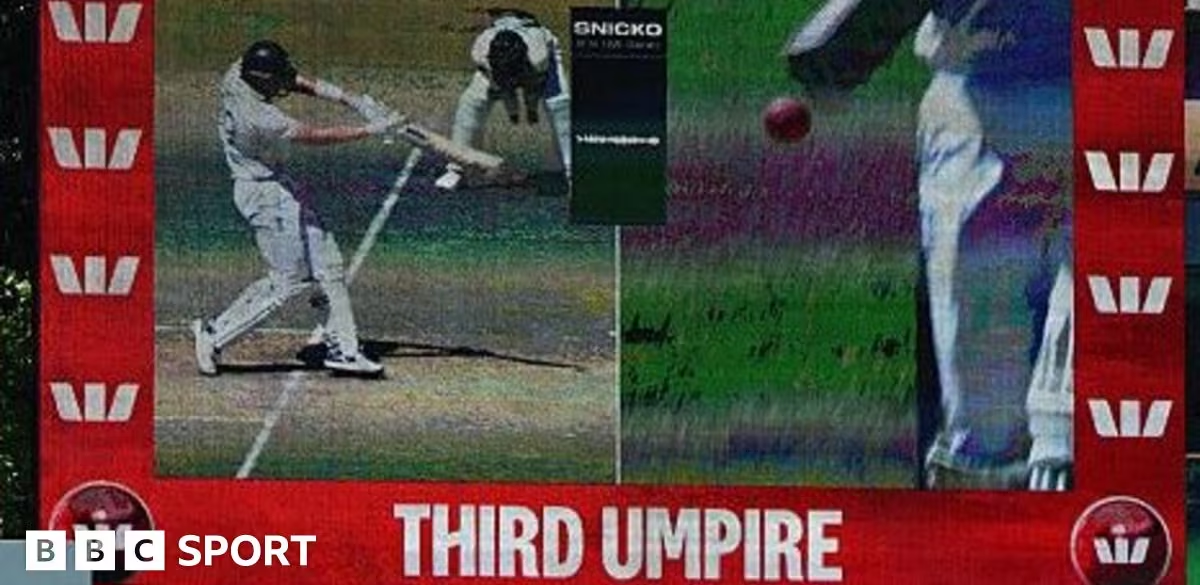
The Snickometer, commonly known as 'Snicko', is a decision-making technology system used to determine whether a batter has hit the ball during a video review.
The technology shows replays in frame by frame pictures with a waveform created to display if there has been contact between bat and ball.
It was invented by English computer scientist Allan Plaskett during the mid-1990s, but it is no longer used in Tests in England.
Snicko has caused controversy during this Ashes series, with Australian batter Alex Carey given not out in the third Test due to "human error" by Snicko's operators. Carey was 72 not out at the time of incident and went on to make 106 in the first innings in Adelaide.
Why is Snicko used in Australia?
Broadcasters in Australia and New Zealand both use Snicko, while their counterparts in England, India and South Africa all use the more developed UltraEdge technology invented by Hawk Eye.
UK broadcaster Sky Sports stopped using Snicko in 2016 due to the increased detail and accuracy that is made available by UltraEdge.
UltraEdge gives the third umpire access to tracking cameras which can analyse up to 340 frames per second, providing more accurate information.
Fox Sports, Australia's host broadcaster, has opted to use Snicko instead of UltraEdge for the series.
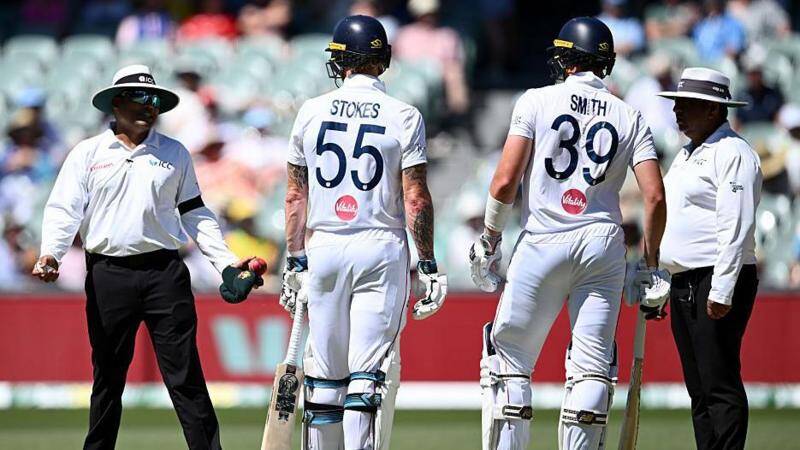
Host broadcasters have the option to select either UltraEdge or Snicko as sound-based edge detection technology, which are both approved for use by the International Cricket Board (ICC).
The ICC themselves do not pay for the Decision Review System (DRS) outside of their tournaments - such as the T20 or 50-over World Cups.
In the Ashes, the choice of technology is selected by and paid for by the host broadcaster, who will make their decision based on their budgets.
Channel Seven and Foxtel reportedly paid £750m for the rights to show the sport in Australia until 2031 - a 10.5 per cent per year increase on the previous deal.
Last year, the England and Wales Cricket Board (ECB) paid for the technology for the first time as part of their broadcast deal with Sky.
Costs between the two different technologies vary in each territory, but it is understood that UltraEdge is significantly more expensive to license than Snicko.
Hot Spot is an infrared technology that uses heat sensors to highlight whether the ball has made contact with the bat.
It is owned by the same company that also provides Snicko.
It was abandoned by Australian broadcasters during 2013-14 Ashes series over concerns over its reliability and cost.
The technology reportedly costs £6,000 per day to use.
It also came under scrutiny during England's 3-0 Ashes victory in 2013 when several faint edges appeared to go undetected.
Its inventor said its reliability is affected by the use of tape on bats and has not been used in Test cricket for a number of years.
"We chose to use our money in other ways because of the criticisms of it," said Fox Cricket boss Steve Crawley in 2024.
Why has Snicko caused controversy?
At virtually the halfway point of this Ashes series, there have been several controversial incidents involving Snicko.
The biggest controversy came when keeper-batter Carey was adjudged not out on review during the first day of the third Test in Adelaide.
Carey later admitted he edged the delivery, but survived because the Snicko technology showed a discrepancy between the sound and pictures of the edge.
Snicko used the sound captured by the stump microphone at the non-striker's end, rather than the striker's end.
BBG, the company that provides Snicko, has admitted responsibility for the error.
On day two, Australia's fielders could be heard saying "this could be anything" and "just review everything" in relation to Snicko decisions.
Another fielder said "Snicko needs to be sacked" and was caught on the stump microphone.
England wicketkeeper Jamie Smith was controversially dismissed on day two in the second Test in Brisbane following a questionable Snicko review for being caught behind.
Smith was also controversially dismissed in the first Test in a similar incident, with Snicko showing a spike after the ball went past his bat.
In the same Test, a similar incident happened involving Australia batter Marnus Labuschagne, although he was not given out due a lack of "conclusive evidence."
What do the experts think about it?
Former England captain Michael Vaughan has been a vocal critic during the series and said he has "lost faith in the Snicko system".
"It's a shocker. It's wrong. The players have lost trust in it," he told BBC Sport's Ashes Debrief.
"The ICC need to look at themselves in the mirror because who pays for this? The host broadcaster aren't going to pay for the best technology, they pay so much for the rights. The home board aren't going to pay for it.
"The ICC should be paying for whatever the best technology is. This is an ICC event, it's the World Test Championship."
Former Australia captain Ricky Ponting echoed his former adversary and said the umpires had expressed concerns about its use.
"This technology that we are using here is simply not as good as technology that is used in other countries," he told Seven Cricket.
"You talk to the umpires, they'll tell you the same thing. They can't trust it."
Will it be used for the rest of the Ashes?
It would be unprecedented for the use of Snicko to be scrapped mid-series given that it has been in use for the first three Tests.
With the frustration shown by both teams, it is not out of the question that Australia may look to alternative technology in future home series.
This article is the latest from BBC Sport's Ask Me Anything team.