Why skijoring is taking travellers off Colorado's ski-resort circuit
BBC | 23.01.2026 20:00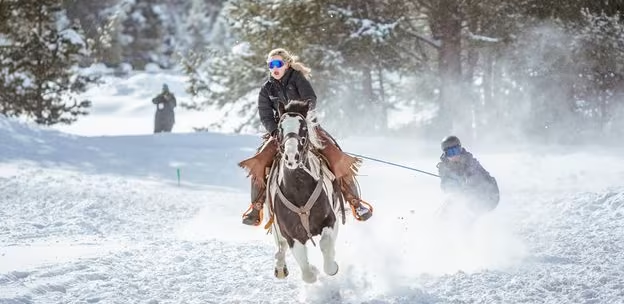
Equal parts rodeo and ski race, skijoring is drawing winter visitors into Colorado's ranching towns, offering a cheaper, wilder alternative to the state's famous slopes.
With her skis clipped in, the skier grasps the rope as the horse in front of her bolts forward, hurtling down the snowy obstacle course propelled by sheer horsepower. Cheers ripple through the crowd as she clears a jump, hits her marker and crosses the finish line. A rodeo announcer calls out the time, and the crowd erupts.
This is skijoring – a winter sport defined by speed, precision and horsemanship – and it's drawing travellers far beyond Colorado's lift lines and luxury lodges.
Each winter, Aspen, Telluride and Vail prepare for their busiest and most lucrative season, attracting global crowds and eye-opening prices. But beyond the ski resorts lies another version of Colorado that has been shaped by ranching towns, mining history and outdoor culture. For travellers craving adrenaline without the ski-pass-plus-Champagne lifestyle, skijoring offers a way in.
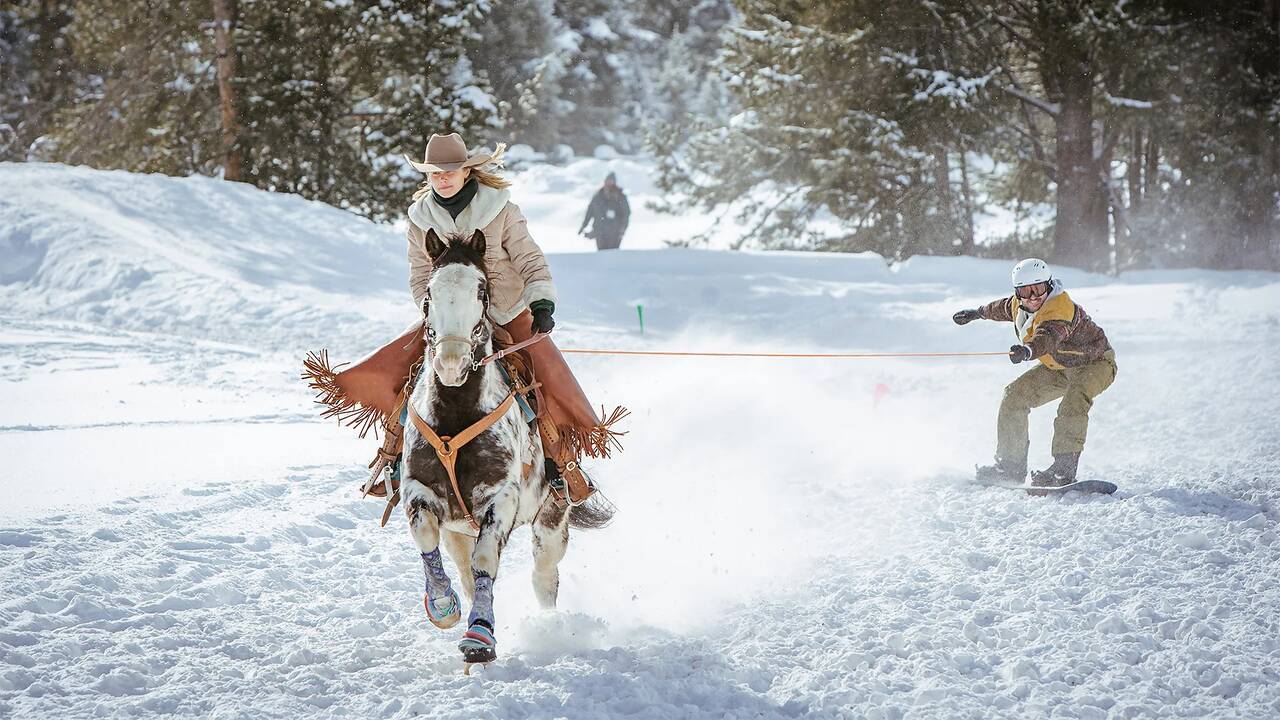
Equal parts rodeo and ski race, skijoring sits at the overlap of Colorado's ranching and skiing cultures. Horses sprint down snowy tracks as skiers hang on behind them, navigating jumps and gates at speed.
Where to watch skijoring in Colorado:
Estes Park (23-25 Jan): Set against the gateway to Rocky Mountain National Park, this is one of Colorado's most accessible skijoring events, with the Estes Park Events Complex within easy reach of Denver International Airport.
Steamboat Springs Winter Canival (3-8 Feb): Skijoring features as part of this long-running event – now in its 113th year – that's an homage to Western heritage.
Silverton (14-15 Feb): Skijoring takes over Silverton's main street, framed by two high mountain passes, over President's Day weekend.
Craig: (14-15 Feb): Near the Wyoming border, Craig delivers a distinctly cowboy-country take on the sport. Head to their local fairgrounds to watch the annual competition unfold.
Leadville: (7-8 March): First staged in 1949, Leadville's skijoring festival is the highest in the world, held at 3,109m above sea level.
The sport takes its name from the Norwegian word skikjøring, meaning "ski driving", and its roots are often traced to older snow-travel traditions in northern Europe and Central Asia where people travelled across snowbound terrain pulled by animals. In the American West, it has evolved into something distinctly local: a mash-up of snow sport and cowboy tradition.
For visitors, the appeal is both the spectacle on the course and the setting around it. At skijoring events, cowboy hats sit alongside ski helmets and fringe jackets mix with puffer coats. Horses trot past spectators sipping hot drinks as announcers call races over loudspeakers. It's a scene that feels far removed from lift queues and après-ski bars.
"People think you have to cross an ocean to experience a different culture," says professional skier Jim Ryan. "In the US, we have these different cultures that are abutting on each other… Skijoring is the perfect way to do it."
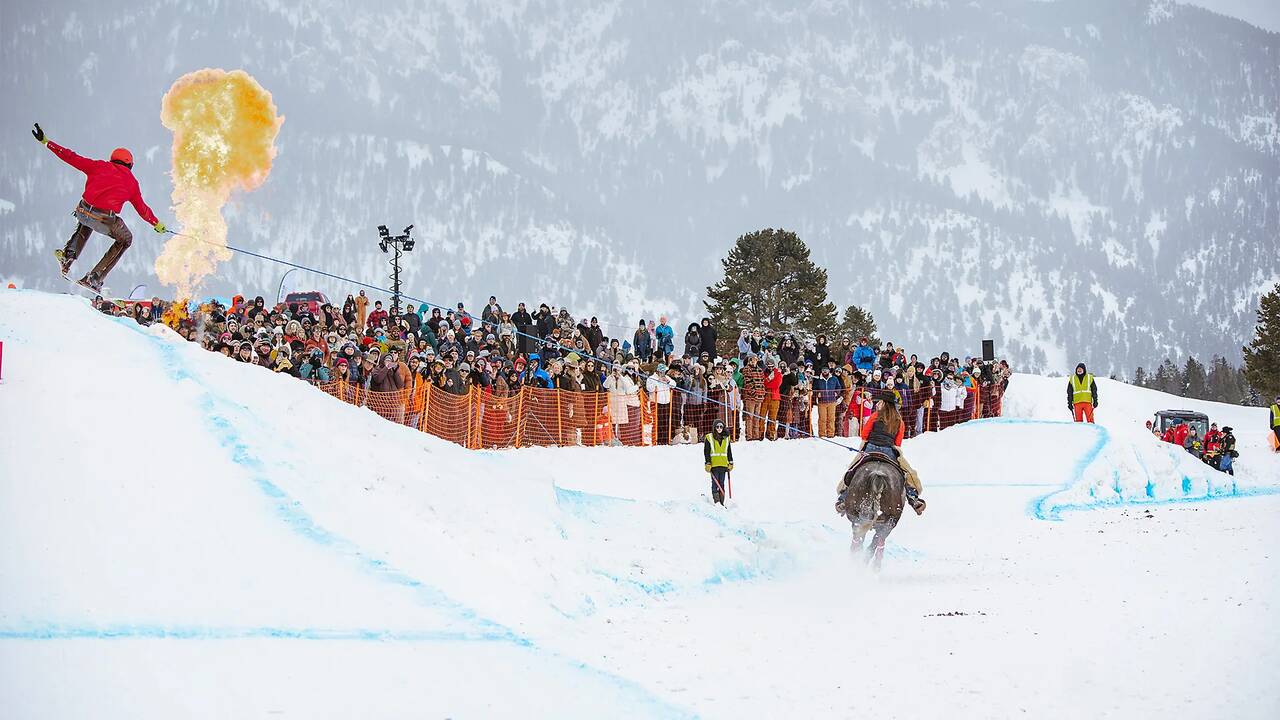
One of the clearest places to see this is in Ridgway, a small town in south-western Colorado that many travellers pass through on the way to Telluride or Ouray. Once a prominent railroad hub serving nearby gold and silver mines, Ridgway has long been shaped by ranching, its cowboy culture rooted in Spanish and Mexican vaquero horsemanship that travelled north with early cattle routes well before Colorado became a state.
 Keely Jackson
Each January since 2017, the town's rodeo grounds have hosted San Juan Skijoring, drawing competitors and thousands of spectators. "Ridgway, a sleepy winter town, comes to life for a weekend," says Richard Weber III, a founder of the event. He adds that skijoring brings visitors from as far afield as New York and Tennessee, transforming Ridgway into a travel destination in its own right.
More like this:
Similar scenes play out across Colorado and neighbouring states, with competitions held in small towns from Montana to New Mexico. Interest has surged in recent years, with some travellers planning entire winter trips around event weekends rather than ski passes.
"[Skijoring is] a really cool vehicle to travel around the West," says Madison Ostergren, a professional big mountain skier from Michigan who tried it for the first time in Silverton, Colorado.
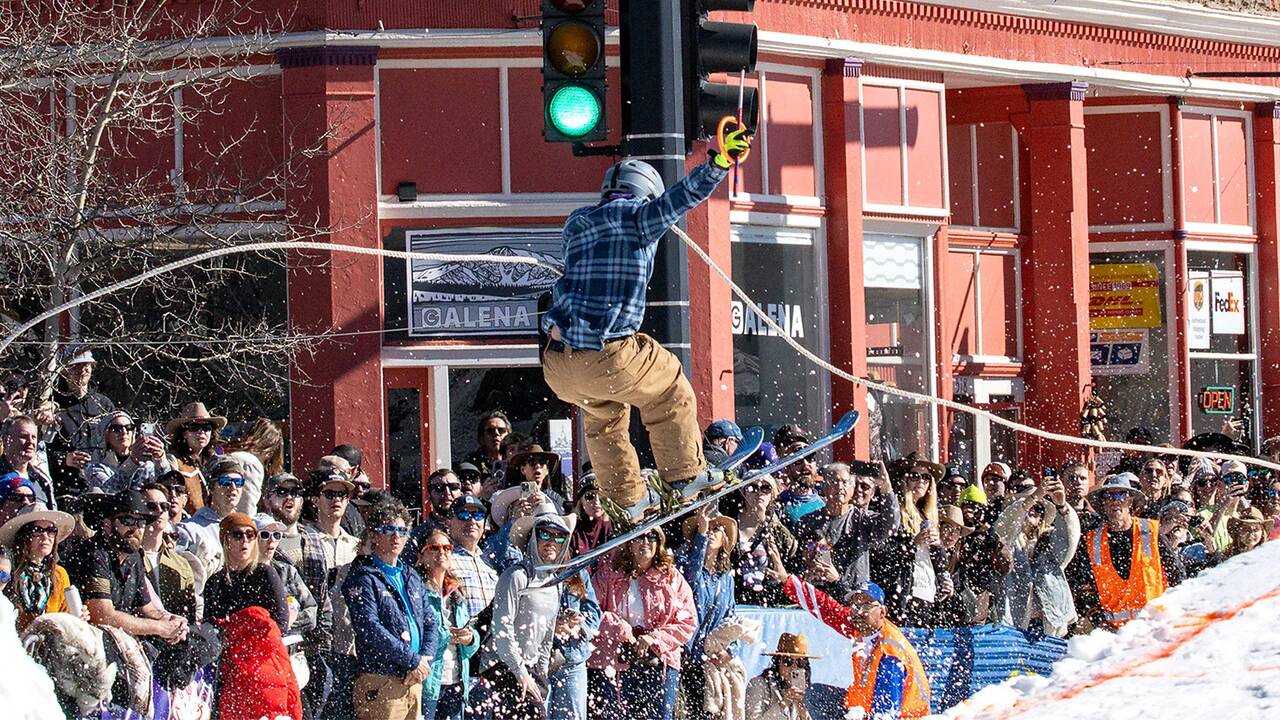
For most visitors, skijoring is best experienced as a spectator sport. Standing trackside as horses thunder past, skiers flying behind them, delivers an adrenaline hit that rivals steep alpine descents – without needing to strap in yourself. Events are generally ticketed but are usually lower cost than a day on the slopes, making them an accessible alternative to resort skiing.
For curious newcomers, skijoring competitions are open registration, though they typically require advanced skiing. "There's a whole amateur division," notes professional skier Veronica Paulsen, "so anyone can sign up and try it."
However, there are other – easier – ways to dip your toe into the scene. Devil's Thumb Ranch near Winter Park and several Nordic Centers offer beginner-friendly versions using dogs rather than horses, giving visitors a taste of the sport in a more controlled setting. Snake River Ranch in Jackson Hole, Wyoming, offers horse-led skijoring under close supervision, with structured sessions designed to make the experience accessible for newcomers.
 Keely Jackson
Animal welfare is central to the sport's culture. Horses used in competitions are carefully trained and monitored, and riders stress that no horse runs unless it is healthy and willing.
What skijoring ultimately offers travellers is a different way into Colorado's winter landscape and a reason to slow down in places they might otherwise pass straight through. In a state where skiing increasingly funnels visitors into a handful of expensive resorts, skijoring is a reminder that Colorado's winter culture has always lived well beyond the lift lines.
--
If you liked this story, sign up for The Essential List newsletter – a handpicked selection of features, videos and can't-miss news, delivered to your inbox twice a week.