ANCYL Gauteng Pushes for PTT Dissolution as Calls Mount for Premier Panyaza Lesufi Reshuffle
iReport South Africa | 03.04.2026 17:05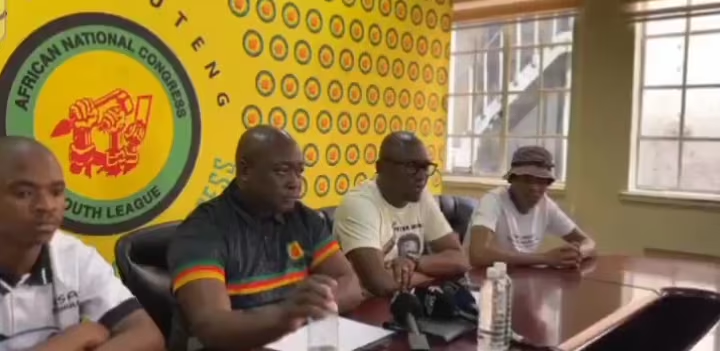
The Gauteng leadership of the African National Congress Youth League (ANCYL) has intensified pressure within party ranks, announcing plans to lobby senior structures of the African National Congress (ANC) for the dissolution of the party’s Provincial Task Team (PTT) in the province.
Provincial Secretary Mpume Sangweni confirmed that the youth league intends to engage members of the ANCYL National Executive Committee (NEC) who also serve in the ANC’s National Executive Committee (NEC) and National Working Committee (NWC). The aim, he said, is to push for urgent structural changes in Gauteng’s ANC leadership.
“We are going to lobby ANCYL NEC members who serve in the ANC NWC and NEC to push for the dissolution of the ANC PTT in Gauteng,” Sangweni stated, underscoring growing dissatisfaction within youth ranks over the current provincial leadership arrangement.
The call comes amid broader concerns about the effectiveness and longevity of the PTT, which was initially introduced as an interim leadership structure. Critics argue that the task team has overstayed its intended mandate, leading to stagnation and weakened organizational renewal in the province.
In a further escalation, Sangweni also called for a reshuffle involving Gauteng Premier Panyaza Lesufi, who plays a central role within the PTT. “We want Panyaza Lesufi reshuffled as well. He has overstayed his welcome in that PTT,” he said.
The remarks are likely to deepen internal debates within the ANC, particularly as the party continues to grapple with leadership stability and electoral performance in key provinces. Gauteng remains a strategic political battleground, making any proposed leadership changes highly consequential.
While the ANC has not yet officially responded to the ANCYL’s demands, insiders suggest that discussions around provincial restructuring are ongoing, with differing views emerging across party factions.
Political analysts say the ANCYL’s intervention reflects a broader push by younger leaders to assert influence and accelerate organizational renewal ahead of future electoral contests. However, they caution that such moves could also intensify factional tensions if not carefully managed.
As lobbying efforts gather momentum, attention will now turn to how the ANC’s top leadership structures respond—and whether Gauteng could soon see a significant shake-up in its political leadership.