Anti-immigration marches pass largely peacefully as police apply lessons from the past
Explain | 04.07.2026 00:47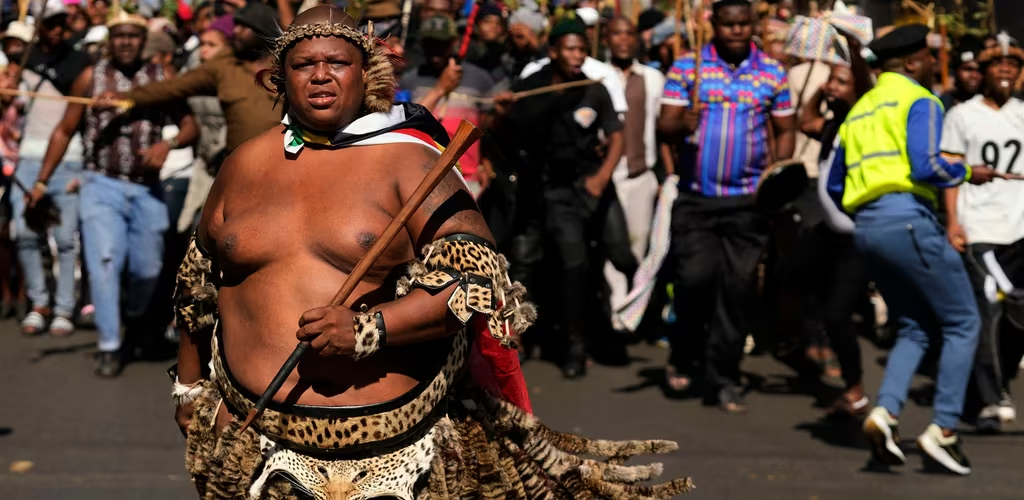
South Africa’s 30 June anti-immigration marches ended without the widespread violence many had feared, after a security operation that police say drew directly on lessons from two past events: the 2012 Marikana massacre, where police killed 34 mineworkers, and the July 2021 unrest, when police were overwhelmed, and more than 350 people died in the worst violence South Africa had seen since apartheid ended. Daily Maverick reported that this time, the goal was enough of a police presence to prevent looting without repeating either failure.
It appears to have worked, despite Amnesty International warning beforehand that rising anti-migrant sentiment could turn deadly. SANDF was placed on standby and police deployed in large numbers in the days before the marches. Police recorded 82 arrests in Gauteng on the day, and by 1 July, 900 arrests nationally, more than 300 of them undocumented migrants. Ahead of the marches, migrant-owned businesses began closing, and some foreign nationals left their communities out of fear.
So we avoided the worst. But while there wasn’t an outpouring of violence, the danger is far from over. The scale and organisation of the marches suggest anti-immigration sentiment has moved from the political fringe into mainstream public debate.
The marches were organised by anti-immigration groups and drew support from thousands of people across the country, along with some political leaders. Protesters argue that undocumented migration puts pressure on jobs, healthcare, housing and other public services. Researchers and rights groups say migrants are being scapegoated for problems rooted in weak economic growth, inequality and government failures.
Organisers have already signalled plans for further marches. Whether that becomes a recurring pattern may depend less on policing than on whether the government addresses the unemployment, service delivery and cost-of-living pressures driving the sentiment behind them.