Nonceba Kontsiwe Hands over 20 industrial sewing equipment to clothing and textile enterprises in the OR Tambo district
StartUp Magazine | 24.02.2026 21:18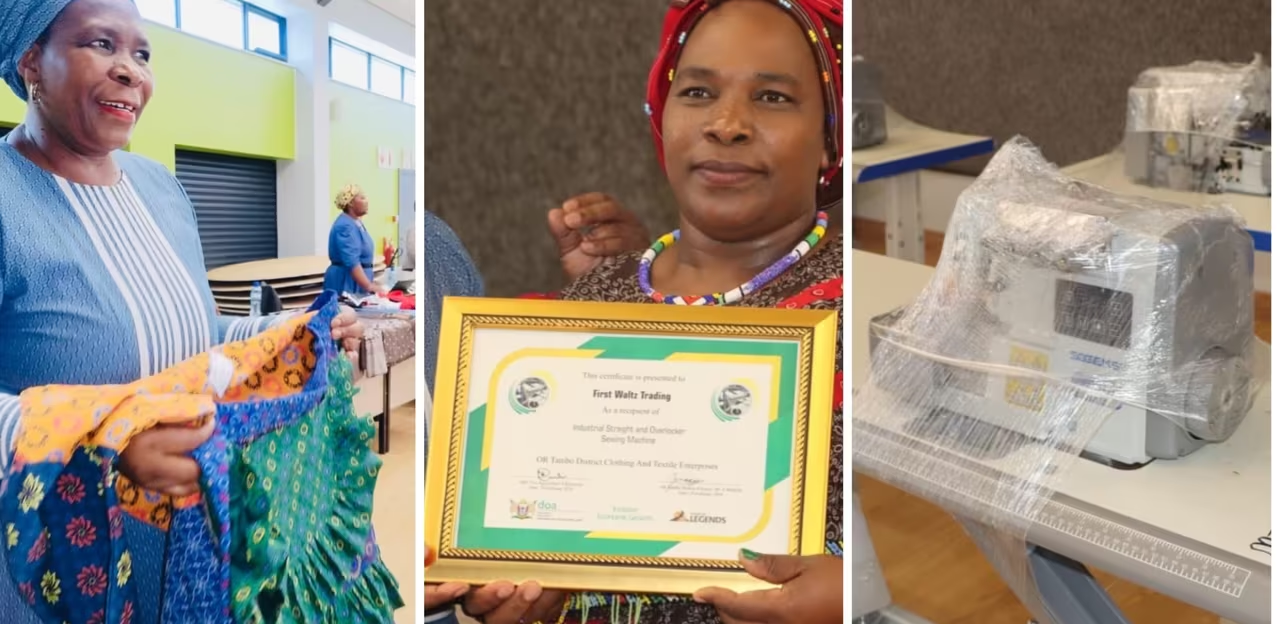
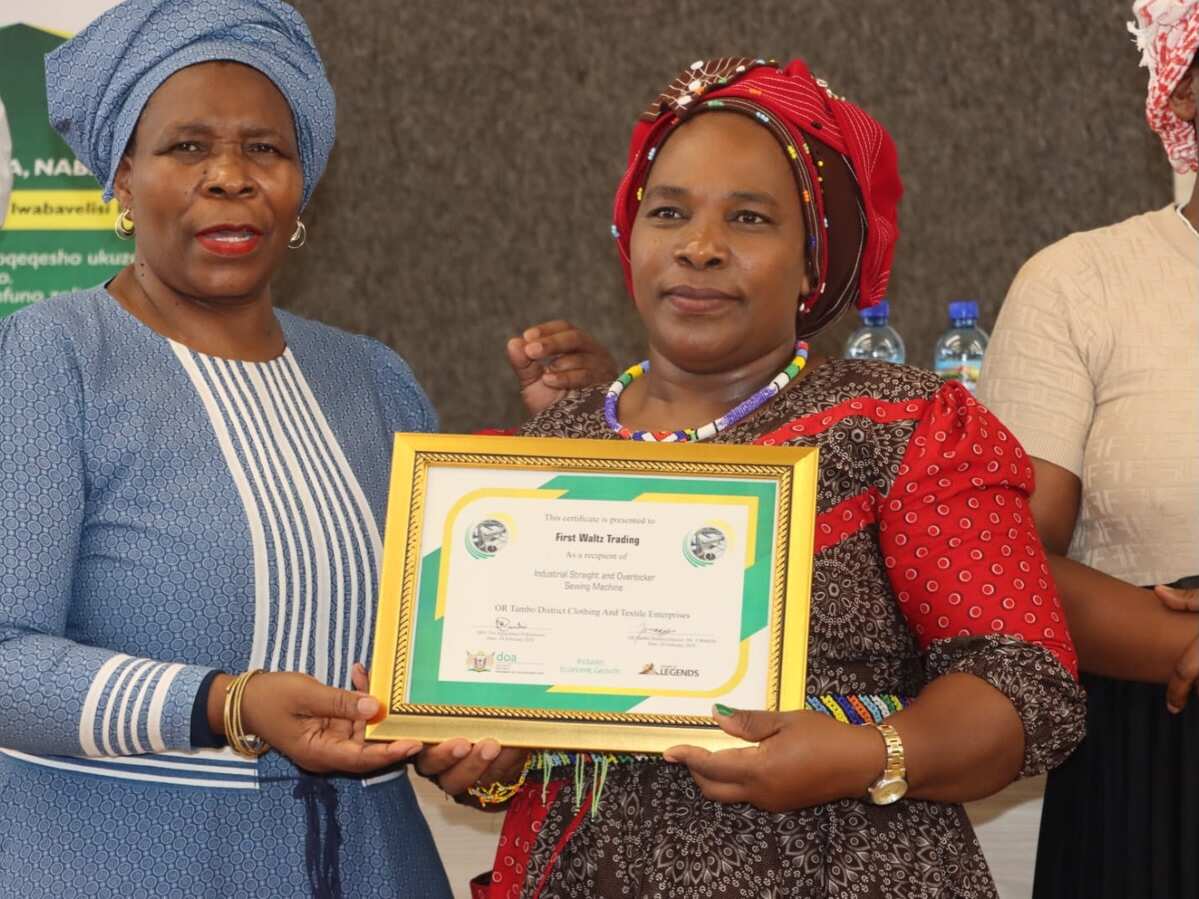
The Nonceba Kontsiwe, MEC for Agriculture in the Eastern Cape, has handed over industrial sewing equipment to 20 emerging clothing and textile enterprises in the OR Tambo district—signaling a renewed push to scale grassroots manufacturing startups and drive job creation.
The handover took place at the Tsolo Agriculture and Rural Development Institute, where beneficiaries received straight industrial sewing machines and overlockers aimed at improving production quality and capacity.
The initiative forms part of a broader R2.2 million programme supporting 103 clothing and textile cooperatives across the province. The strategy focuses on equipping early-stage enterprises with the tools needed to move from informal production into scalable, retail-ready operations.
Kontsiwe emphasized that the clothing and textile sector presents a strong entry point for township and rural entrepreneurs, particularly in traditional wear—an area where seasonal demand continues to grow.
“You must position yourselves to fill the gap in high-quality traditional garments, especially during peak seasons,” she told beneficiaries.
The programme aligns with recent findings from the Localisation Support Fund, which identified major growth potential for domestic production under South Africa’s Retail-Clothing, Textile, Footwear and Leather localisation strategy. According to the study, local retailers could source up to 81 million additional garments domestically by 2030—representing nearly R7.9 billion in annual manufacturing output.
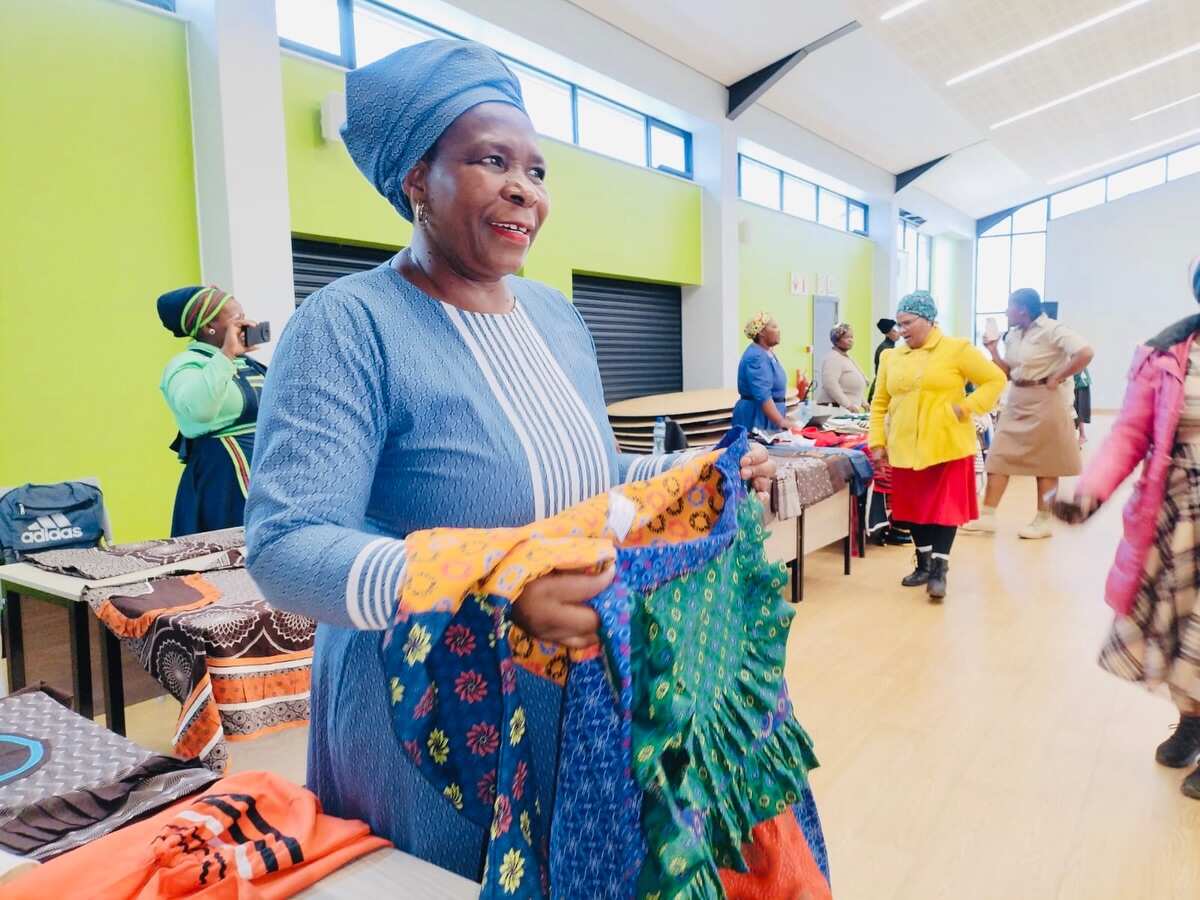
Mbulelo Jara, mayor of the Mhlontlo Local Municipality, highlighted the importance of implementation-driven leadership, while Local Economic Development head Mbuti Voko encouraged beneficiaries to focus on building sustainable businesses and securing retail distribution. The message was clear: access to equipment must translate into revenue, employment, and scalable production.
Among the recipients was Masiyithati Madikizela from the Ingquza Hill Local Municipality, a graduate of Walter Sisulu University, who said the machines would significantly improve product quality and turnaround times—two key factors for competing in formal retail markets. Another beneficiary, Yoliswa Mtikrakra, credited the programme with transforming school-level sewing skills into a viable business opportunity.
The event also highlighted operational risks facing rural enterprises, including livestock theft affecting agricultural communities. Kontsiwe confirmed that surveillance systems have been installed in theft hotspots, although some infrastructure has already been vandalized. She further used the platform to raise awareness about Foot-and-Mouth Disease following its national disaster classification by Cyril Ramaphosa, urging livestock entrepreneurs to comply with transport regulations.
This initiative reflects a growing trend in South Africa’s provincial economies—moving beyond grants toward productive asset support that enables micro-manufacturers to scale into formal supply chains. For textile startups, the opportunity lies not only in production but in branding, retail partnerships, and digital commerce integration.