How to plan your first trip to Mexico
BBC | 30.12.2025 20:00
With cactus-strewn highlands, thick southern jungles and miles of sun-drenched beaches, Mexico is made for adventure for any first-time visitor. But, as I've discovered during my research trips for guidebooks and articles, the country is also crammed with cultural experiences, from pre-Hispanic monuments to local markets, where Mexico's Indigenous communities showcase their culture.
Mexico has long been a favourite among tourists for its Mayan ruins, spring break scene and globally beloved cuisine. But the nation has been focusing on its travel infrastructure for some time now. In December 2023, the first section of the controversial train line Tren Maya opened between Campeche and Cancun in the Yucatán Peninsula. Eventually, it will cross five regions and run 966 miles (1,554km), connecting with the Mayan ruins of Palenque. Airport additions have also increased access. Felipe Angeles International Airport opened in Mexico City in 2022 and Tulum's first airport, Felipe Carrillo Puerto International Airport, came in 2023. Jalisco's new Costalegre Airport has begun welcoming private fliers and shuttle service to Puerto Vallarta, with commercial flights planned, though not yet confirmed. Meanwhile, a steady stream of luxury accommodations has flooded in over the last decade, particularly in Mexico City, Oaxaca and Tulum.
With the current peso rate, your dollar, pound or euro will stretch a long way. But what keeps me returning again and again, and eventually buying a casita in the colonial town of Guanajuato, is the Mexican people: a proud, diverse group of 130 million who embrace family, food and fiestas. Not to mention the colours (those aquas, oranges and pinks) and the distinctly delightful din – mariachi and fireworks, horns and bells – that will resonate long after your departure.
While Spanish is most commonly spoken, written and taught across Mexico, the country's constitution doesn't declare an official language. Spanish as well as 68 Indigenous languages are nationally recognised, including Nahuatl and Yucatec Maya – and hundreds more are spoken.
Things to do in Mexico
It's easy to tailor your trip around your interests, be they cultural, outdoorsy or culinary. First-time visitors should consider the following.
 Sebastian Monslave
With 35 Unesco World Heritage sites, Mexico's official cultural landmarks are many – and they feel magical. My personal favorites include the cities of Guanajuato and San Miguel in Guanajuato state, the Mayan ruins of Palenque in Chiapas, Chichén-Itzá and Uxmal in Yucatán and Calakmul in Campeche.
Ticket-timing tip
Mexico has four time zones, which are the same as those in the contiguous United States: MST, CST, PST and EST. However, many areas do not observe daylight savings, which can cause arrival and departure confusion – be sure to double-check.
Alternative itinerary items include visiting the decorative Franciscan Missions in the Biosfera Sierra Gorda, Querétaro and the agave fields in Jalisco. There, you can learn about the process of making mezcal and tequila. In Mexico City, visit La Casa Azul, home to Frida Kahlo, and take in Diego Rivera's murals in the city's historic center. You can find them in multiple locations: the Museo Mural Diego Rivera, the Palacio Nacional and – the best kept secret and my personal pick – the Secretaría de Educación Pública (SEP) building, where over 100 murals illustrate Rivera's Marxist politics. Venture to Teotihuacán, the extraordinary pre-Columbian city and massive pyramids on Mexico City's outskirts, and make sure to leave plenty of time to wander through the remarkable – and very large – Museo Nacional de Antropología.
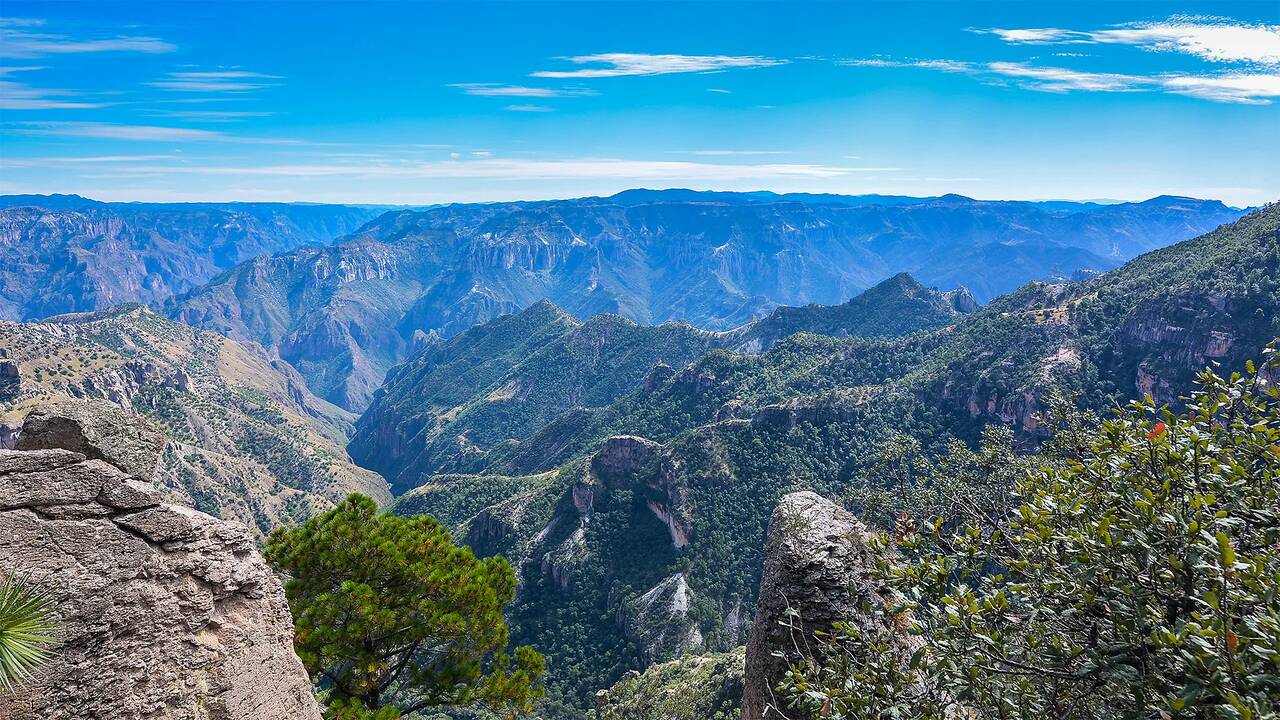
National parks are all over Mexico. These range from remote zones with volcanoes to cloud forests, such as Biosfera Sierra Gorda in Queretaro state. I'm a repeat visitor here. There is an extraordinary array of birdlife as well as the distinctive Franciscan monasteries. As far as Mexico's unique natural wonders, you won't want to miss the mystical-feeling cenotes that are dotted around Yucatán.
A train known as El Chepe offers a breathtaking way to wind through the Parque Nacional Barranca del Cobre (Copper Canyon National Park). For water-lovers, Mexico's Caribbean coast has the world's second-largest barrier reef and is the perfect place for diving, snorkeling, kayaking and paddle-boarding. You can also dive with whale sharks at Isla Mujeres, the easternmost point in Mexico, off the coast of the Yucatán Peninsula. Cyclists, meanwhile, can hit desert tracks with Bici-Burro and head to mining ghost towns around San Miguel de Allende in central Mexico.
Mexico City is a shopper's delight, with options ranging from small, artsy boutiques to massive flea markets. Both Oaxaca and San Miguel are standouts, and I always leave room in my luggage for the odd impulse buy: high-end handicrafts, beautiful textiles and folk art. Indigenous village markets, such as those around San Cristóbal de las Casas, also sell fabulous traditional handicrafts alongside modern felted toys.

If you come expecting the globalised version of Mexican food, you're in for a treat. Jjust as the world has welcomed Mexican flavours, international fare fuses here. As for the local: each region has its own specialties, though corn, beans, avocado and seafood (on the coast) are staples. My favourites are antojitos ("little whims"), a quick-food category that includes gorditas, quesadillas and tacos. I've found the best way to get my head and mouth around Mexican treats is on a walking tour in Mexico City with Eat Like a Local. (I'll spell out two perfect days in Mexico City, below). Read more about the "pay what you can" initiative spreading through Mexico City's dining scene, here, and dive into the bustling market that serves as the "unlikely backbone of its fine-dining revolution".
If you're a cocktail connoisseur, book an adventure on the Tequila Express, or visit the town of Tequila, home to some 25 distilleries including Jose Cuervo, near Guadalajara. In Oaxaca, mezcalerias (mezcal bars) are the trend. Local beer is served throughout Mexico, offered in both clara (light) and oscura (dark) lagers, from brands you may recognize, like Modelo, Tecate and Pacifico. For a sweet refreshment that's family-friendly, try horchata, a non-alcoholic blend of rice milk, cinnamon and vanilla served in many restaurants and markets.
Two perfect days in Mexico City
Many visits to Mexico start or end in Mexico City. A word of advice: go slowly on the first day if you've just arrived from overseas; the altitude here is 7,350 feet (2,240m) and can affect travellers. For a varied taste of D.F (Distrito Federal), as the city is affectionately known, these ideas might help.
 Getty Images
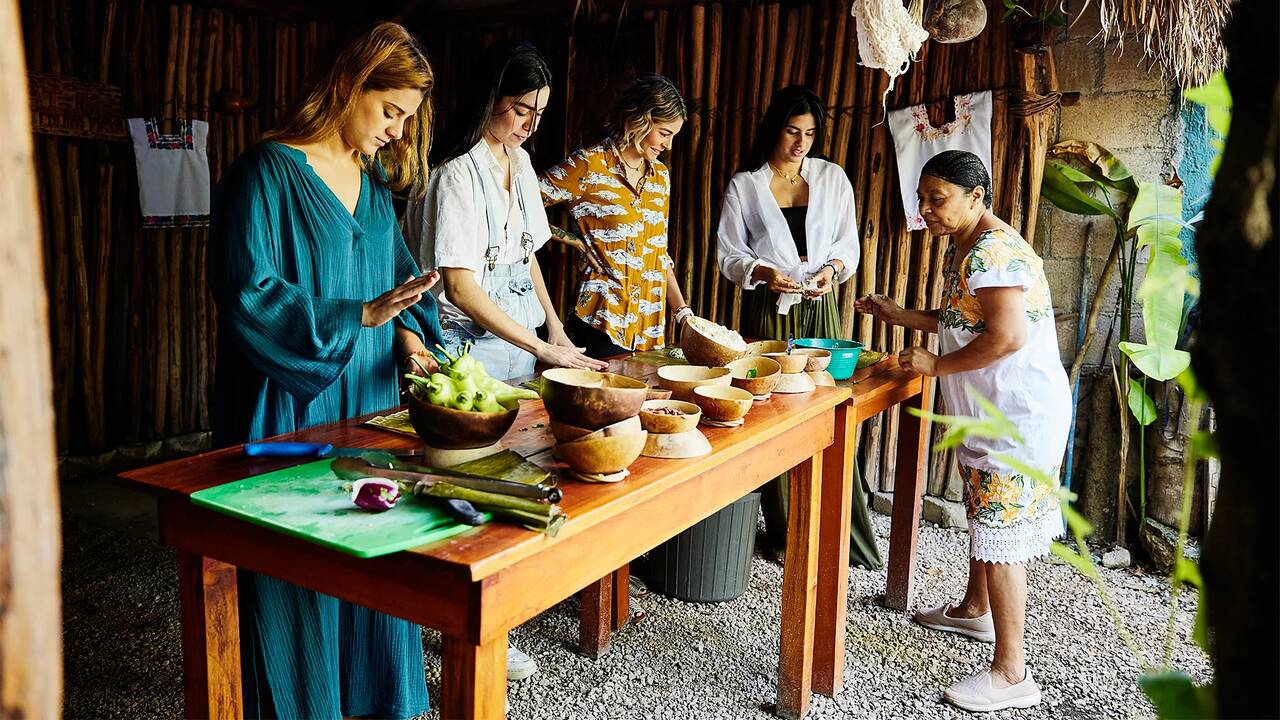
Day one: Start your day with a third-wave coffee at Cardinal in Condesa. Next, meet the guides from Eat Like a Local and head to hidden foodie spots to sample local delights, including grasshoppers and ants at the sprawling Mercado de la Merced. "Connection is the key to travelling," says Rocio Vazquez, owner of Eat Like a Local. "The tour gives you the chance to not only eat but to see the heart of the city. Most importantly, you meet the local people and learn the stories behind the food; after all, it's not just food, but everything around it."
Then, head back into the Centro Histórico to wander through the Zócolo, the massive main plaza, Catedral Metropolitana, Templo Mayor and the SEP building for Diego Rivera's magnificent murals. Finally, buy tickets at the beautiful Teatro Bellas Artes for an evening performance by the Ballet Folklórico; the music and dances here represent all of Mexico's regions.
Day two: Spend several hours at the Anthropological Museum before heading to Coyoacán for a taste of old Mexico – and a visit to Frida Kahlo's Casa Azul. Reserve (months ahead is recommended) and enjoy a meal at some of the world's best restaurants, like Quintonol or Pujol. If you're after more action, grab a ringside seat at a lucha libre, the mask-and-Spandex-clad wrestling at Arena Mexico or Arena Coliseo.
Alternatively, take a tour to Teotihuacán, the mind-boggling pre-Columbian complex and pyramid, just 31 miles (50km) northeast of Mexico City. Return to the centre and head up the 41st floor of the Torre Latinoamerica for a pre-dinner cocktail. You don't need to buy a ticket if you're merely heading to the bar, and the views are stupendous.

For accommodations, Mexico covers the full budget gamut – hostels, basic guesthouses, boutique hotels, all-inclusive resorts, vacation rentals and luxury lodgings. The luxury options tend to be in larger towns and popular tourist locations only. In smaller villages, you'll be limited to basic to mid-range hotel options.
Know before you go
• Mexicans are extremely polite and will address you by "Señor/ Señora/ Señorita," a courtesy you should return.
• If you're invited to someone's house, which is an honour, take a small gift.
• Scammers have been known to sell fake tickets to official sites, so if you're looking to buy admission to archaeological ruins and the like, do so at the sites themselves.
• Tipping in restaurants in Mexico is generally 15%. You do not need to tip taxi drivers, but you can show appreciation to private drivers and tour guides – around 10% of the total cost. Leave M$10 for petrol or car-parking attendants and M$50 for hotel and airport porters.
• Tap water is not safe to drink in most parts of Mexico.
• In an emergency, dial 911.
• Private hospitals tend to provide superior care, but may require travelling with insurance.
Mexico City, Oaxaca, San Miguel de Allende, Yucatán and Quintana Roo (especially in Tulum) have the largest array of luxury hotels and resorts. These range from stylish boho-chic options, like the 11-room, thatched-roof La Valise Tulum, to Mexican Brutalist design, like Otro Oaxaca.
Tourist-oriented locales such as Oaxaca, Mérida, Guadalajara and San Miguel de Allende burst with boutique hotels – with options veering towards modern-minimalist as well as Mexican maximalist (folkloric art, textiles and local curios aplenty). The country also offers some wonderfully unique stays, such as jungle hideaways and cabañas on the beach.
One of the most special (and I'm revealing my all-time "secret" favorite here) is Posada Corazon, located in the heart of San Miguel. The house belongs to a long-standing local family who have committed to preserving the property's Mexican modernist architecture and its stunning wall-enclosed garden and orchard. It has six tranquil rooms, and the breakfast served here is one of Mexico's best. "We hope guests enjoy the house, art, books and garden and have a sense that they are in a home, not a hotel," says owner Cesar Arias. "We have a relationship with our visitors; it's another kind of hospitality." (I vouch for that).
For budget-minded travellers, hostels are common throughout Mexico, though keep in mind that the more off the beaten track you are, the more basic the lodging becomes. In more populated areas, you'll see hostels keeping pace with the global trend in which work spaces, rooftop bars and organised activities are part of your stay. Casa Pepe Hostal Boutique Ciudad de México, in the heart of Mexico City's historic district, attracts digital nomads and social travelers for its dorms, private rooms and family rooms, along with a bar, work area and tour desk.
 Getty Images
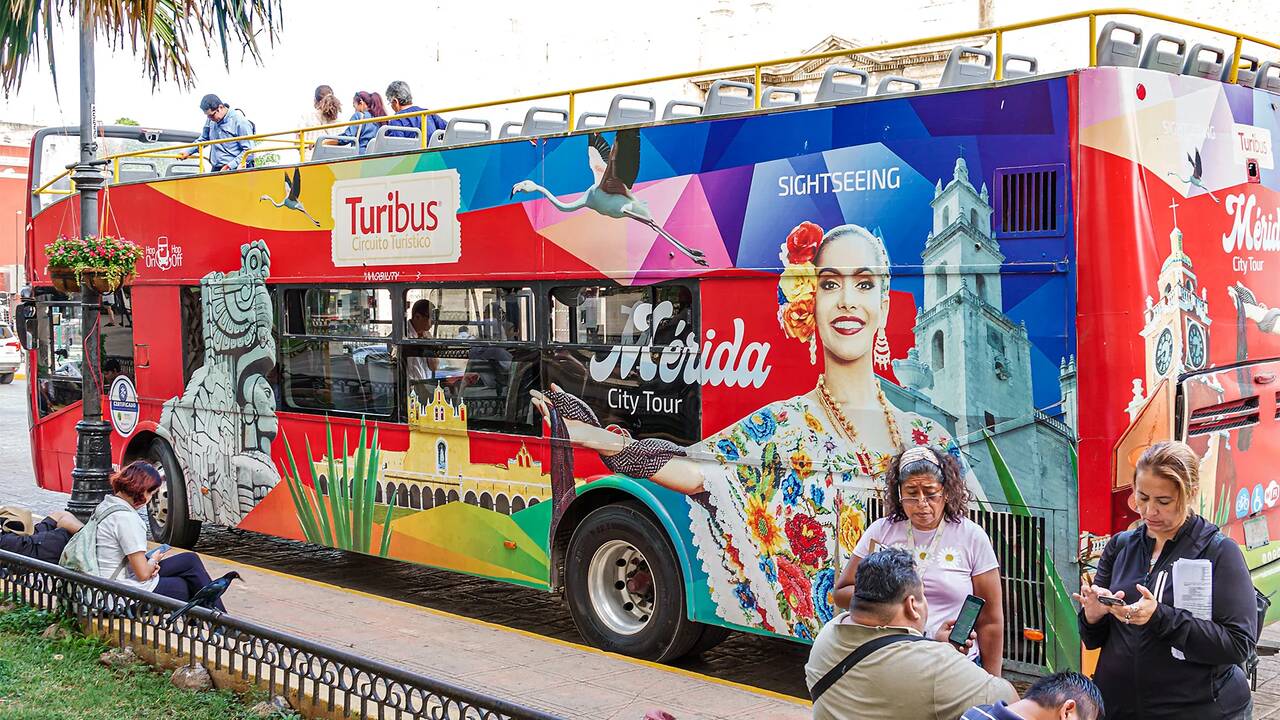
Mexico City, Guadalajara and Monterrey have metro systems, and taking advantage of these can be way more efficient than travelling by car. (Note, though: for your safety, do not ride at night or with valuables.) Networks of buses also cover much of Mexico, and this is my preferred way of getting around. Their services range from luxe to basic. First class and deluxe buses are extremely comfortable, with reclining seats and toilet facilities on board. Many local transit systems here also include minibuses (colectivos). Train lines, like the new Tren Maya and saucy Tequila Express offer high-efficiency ways to get around.
Hurricane season runs between June to November and affects both Yucatán on the Gulf and Mexico's entire Pacific Coast. Between November and February, it gets cold in the central highlands, particularly at night when temps fall as low as 30F (-1C). Sargassum, a type of seaweed, can overtake the Yucatán coast and make wading and swimming difficult, typically between April and October.
Best time to visit
Given the massive size of Mexico – it could contain the UK, Germany, France and Spain combined – seasonal conditions vary widely depending on where you are. Broadly, though, it does operate around two primary seasons: rainy and dry. Rainy season, May to September, brings the hottest and most humid temperatures in many regions, along with afternoon showers. The Yucatán's wettest months extend to September, which is hurricane season there. Dry (and high, or busy) season, December to April, sees the so-called "winter snow birds" descend – those fleeing from colder climes to Mexico's mild temperatures. July and August are hot and bring both Mexican and foreign tourists.

Mexico is full of festivities. Each month brings something exciting, whether it's a religious holiday or a natural phenomenon. The following are my favorites.
February is prime time for whale watching around Baja California, and monarch butterfly season in the Reserva Mariposa Monarca (Monarch Butterfly Reserve). The town of Loreto made it onto The BBC's top 20 places to visit in 2026 for wildlife-rich waters, desert islands and conservation-led adventure.
In March, experience the vernal equinox at Chichén Itzá (as well as the autumnal equinox in September). Of course, April brings the Semana Santa (Holy Week), between Palm Sunday and Easter Sunday, with processions and re-enactments.
Autumn highlights include Día de la Independencia, with celebrations marking Independence Day, on 16 September, as well as Día de Muertos (Day of the Dead). Every 2 November, all over Mexico, families commune with their dead – which means you'll find an abundance of decorated altars and graves, sugar skulls, skeletons and parades, depending on where you are.
If you liked this story, sign up for The Essential List newsletter – a handpicked selection of features, videos and can't-miss news, delivered to your inbox twice a week.