Friselle: The ingenious Italian bread that can last for a year
BBC | 16.11.2026 15:00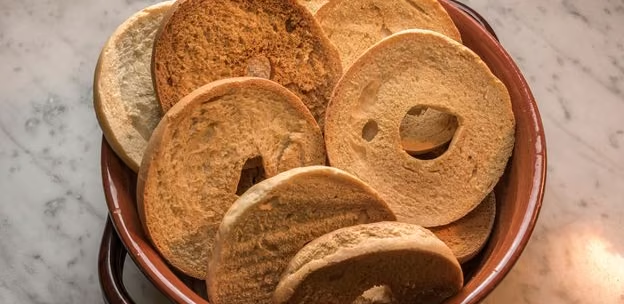
As governments urge households to stock up on emergency supplies, a traditional bread from southern Italy offers a centuries-old lesson in making food last.
The first time I visited my husband's village in Salento, Puglia, he laid lunch out on a sunlight-striped tablecloth: a pile of the reddest tomatoes I had ever seen, a bowl of water and a pile of rock-hard… bagels? With the air of a man who was, at last, home, he began dunking them in the water. These peculiar bread rings, he explained excitedly, were friselle.
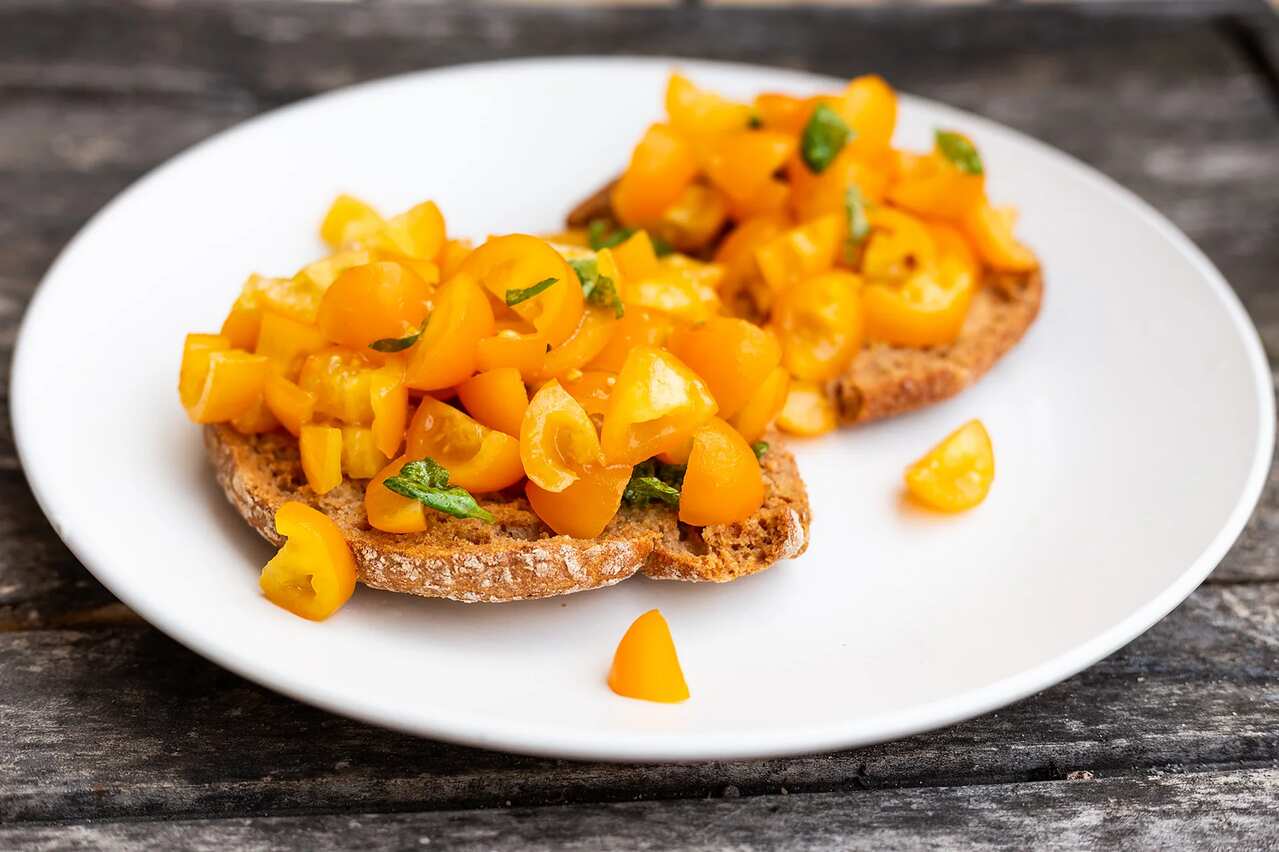
To eat friselle, I learned, you have to first soften them in water – a ritual known locally as la sponzatura – to soften the bread while preserving its crunch. Then you pile on the toppings, which is a world of thrilling possibilities. My in-laws would squeeze the silky interior from some pomodori da pennula (hard-skinned, local tomatoes) onto the bread, then choose from jars of peppers in olive oil, capers they'd bottled themselves, wild oregano and melanzane sott'olio, shards of aubergine marinated with mint and garlic.
Every Puglian household has its own way of loading its friselle. But these humble, twice-baked bread rings are more than just a simple meal. As delicious as they are ugly, they once sustained locals across the region, who prized them for their remarkable longevity and easy portability.
So, when governments from the UK to Japan began urging households to stock up on emergency supplies of non-perishable food, I immediately thought of friselle.
Why friselle last so long
In Puglia, people have been keeping friselle in their cupboards for generations. Today, they turn to them when it's too hot to cook or when they want a quick, easy meal. Their remarkable shelf life comes down to how they're made.
Baking is a family tradition for Gianfranco Parisi, whose grandfather opened a wood-fired forno (bakery) in San Pietro Vernotico, near Brindisi, in the early 20th Century. It was more than a place to bake bread: people brought their own dough and desserts to be cooked, while in winter, elderly residents gathered around the oven to warm themselves. The family baked for the whole town, including daily batches of friselle.
"We used a special dough with a bit of sourdough starter, which made them more flavourful," explained Parisi, who is now retired. "We rolled out a length of dough, made it into a tarallo (ring-shaped bread), put one on top of the other and part-baked them for around 40 minutes. Then we took them out and split them with a twisted wire."
The wire left the cut sides rough, allowing them to better absorb water and flavour. Once cut, the friselle would go back into the oven for a second bake of an hour and a half, driving out almost all the remaining moisture.
Unlike ordinary bread, which contains enough water for mould to flourish, thoroughly dried friselle have so little available moisture that mould struggles to grow. They're also as hard as petrified stone; thorough soaking is essential if you don't want to chip a tooth.
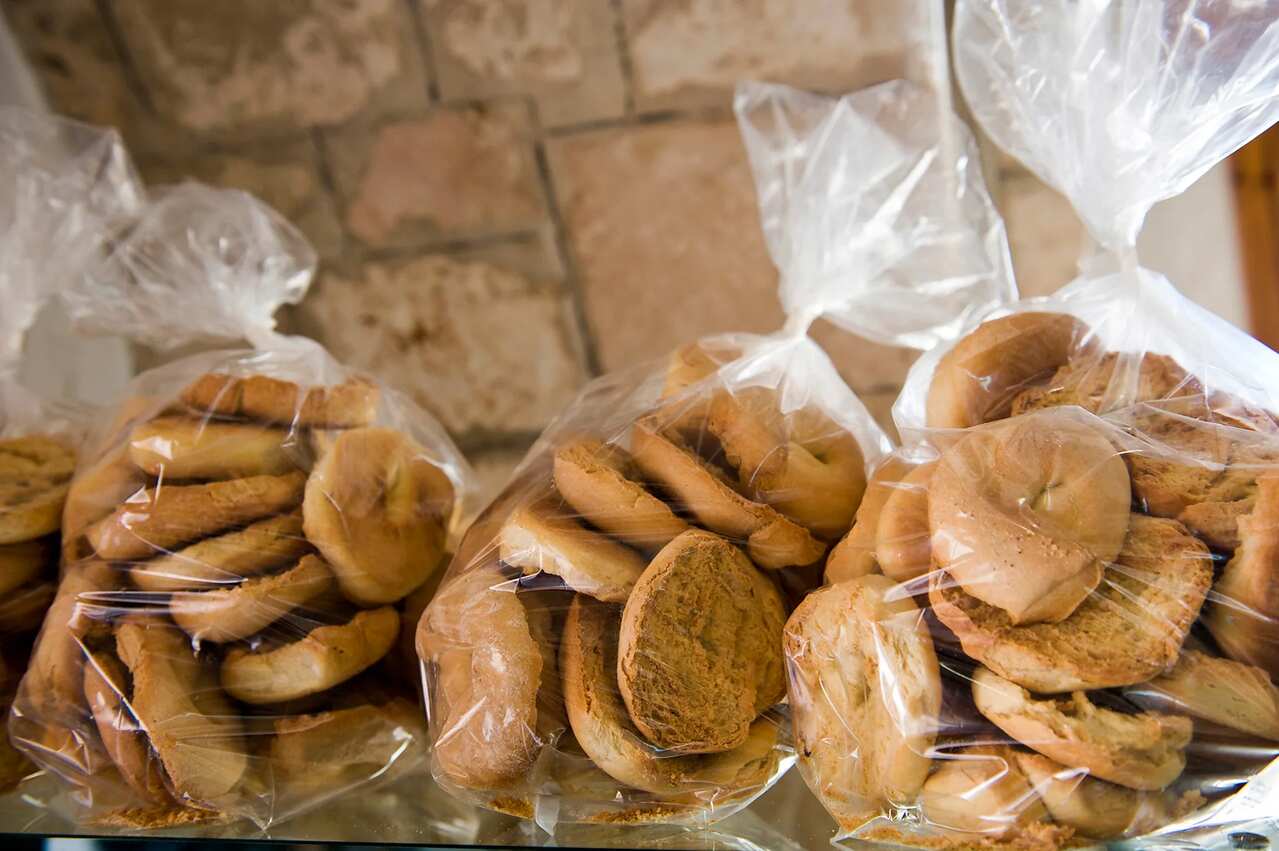
Rosaria Canoci, who twice-bakes friselle in her wood-fired bakery in the seaside village of Lendinuso, says that they will keep for a year if kept airtight and in a dark, dry place. Traditionally, the bread rings were threaded onto cords and hung up for storage, helping protect them from moisture and insects. Today, Canoci meticulously seals hers in plastic bags and keeps them on shelves.
A bread made for travelling
Jutting into the Mediterranean at the heel of Italy's boot, Puglia has long been a land of seafarers and farmers. With the Adriatic Sea to the east, the Ionian to the south and fertile farmland stretching inland, it was a place where people needed provisions that could withstand long journeys and days away from home. Friselle, with their remarkable shelf life, fitted the bill.
Food historian Flavia Giordano, author of Puglia: A Cooking Journey Through a Land and Its Unique Ingredients, traces the tradition of sailors carrying hard bread on long voyages back nearly 2,000 years. She cities the scholar Predrag Matvejević, who wrote that Pliny the Elder described panis nauticus, a twice-baked sailors' bread, in the 1st Century CE.
"This double-baked bread was essential for survival during long sea voyages," she explains, "and later became the staple food for crusaders, pilgrims, and explorers traveling through Puglian ports toward the Holy Land."
But the grains used to make friselle also tell a story of Puglia's changing fortunes. Parisi remembers that in the 1960s, people didn't buy friselle with orzo (barley), as it was considered too poor. "People were emerging from poverty where they'd had to eat everything, and consequently wanted to eat better, like the rich," he says. "Wheat is softer and more refined."
From humble staple to gourmet favourite
Today the snobbery has reversed. Barley friselle fly off the shelves, seen as a healthier, more robust alternative to the traditional durum wheat version. They're crunchier too, and definitely my favourite.
Puglian bakeries remain a destination as much as a shop, although there are no longer elderly people warming themselves in winter by the oven. At popular ones, there'll be a queue in the morning for freshly baked bread. People will cycle over, leaving their bikes unlocked outside, where there is often a fruit-and-veg stall.
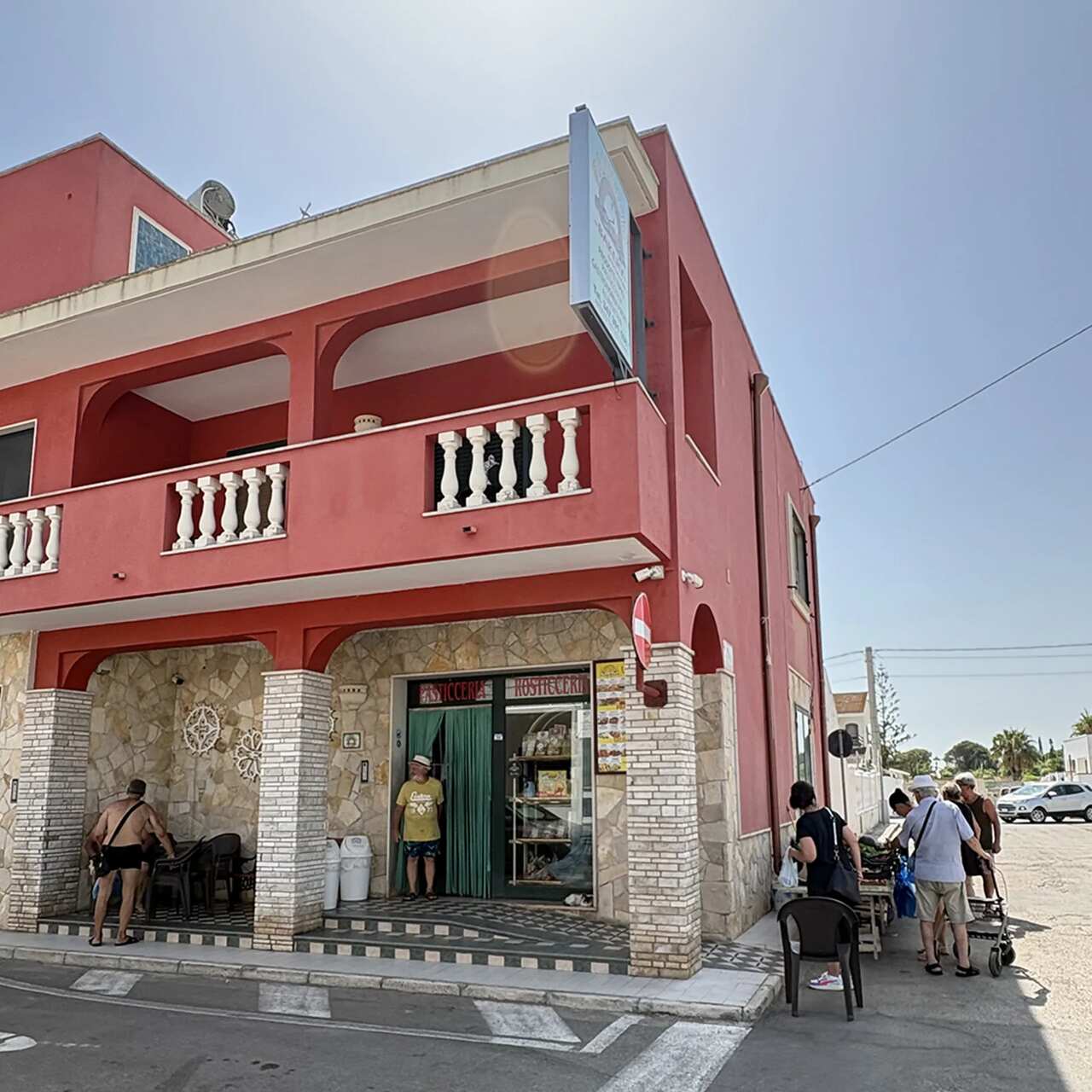
Inside, alongside piles of focaccia and some of Puglia's more than 100 types of bread, shelves are stacked with packets of friselle. These now also come in spelt and multigrain varieties, sometimes flavoured with fennel seeds or peperoncino.
More like this:
• How Italy's guiltiest food ritual went public
• The five meals Andrew Zimmern will never forget
• Seven things you shouldn't do when eating in Italy
And a new generation is finding inventive ways to serve them. At La Putea, a delicatessen in Lecce, chef Francesco Paladino makes "deconstructed friselle", breaking up the bread and combining it with passata before reforming it and topping with fresh tomatoes, prosciutto and artichokes. Elsewhere, smaller friselline often have spices like turmeric added to the dough; they're thinner and lighter so you can forgo the soak and simply top with olive oil and tomatoes.
Although friselle are most closely associated with Puglia, they're eaten across southern Italy, sometimes in surprisingly different ways. In Sicily, for example, they're even dipped in milk for breakfast.
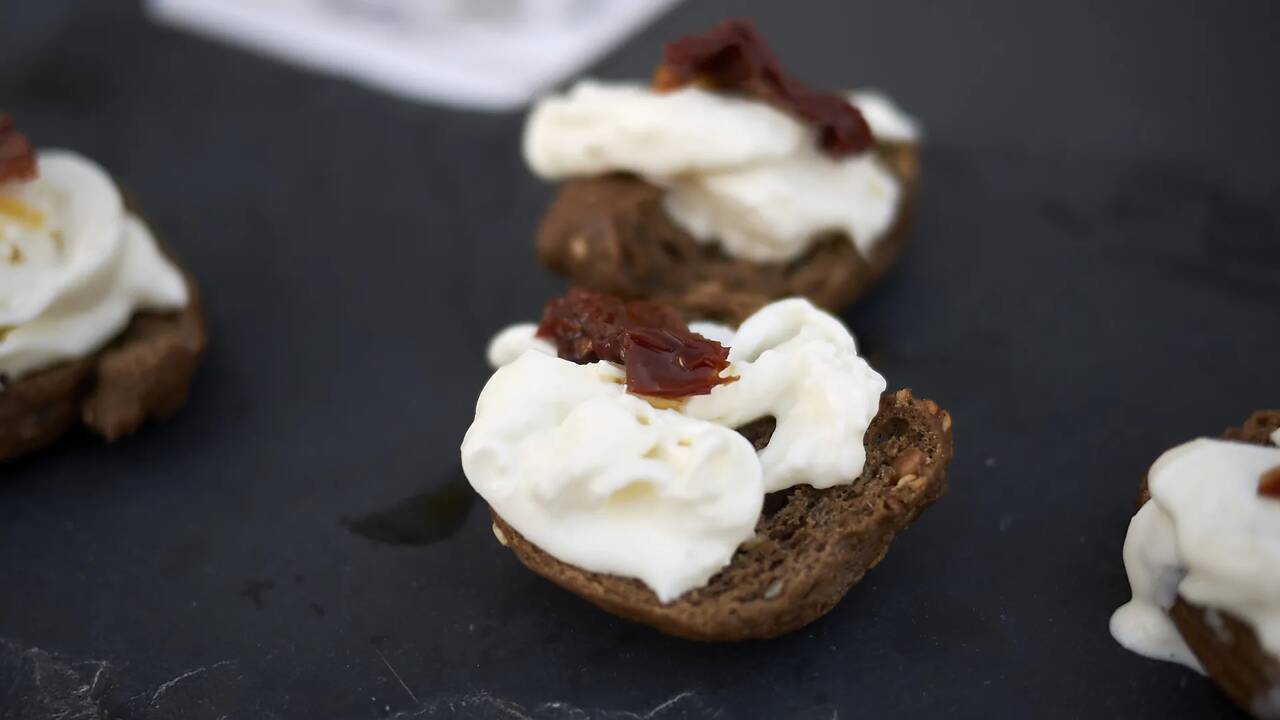
In her cookbook Food of the Italian South, Katie Parla describes a version I'd never come across: capunata con friselle, where the bread is broken up and tossed into a salad, much like a panzanella. "There's a close parallel in Campania," she tells me, "where caponata napoletana uses softened friselle as the base for a summer dish with tomatoes, olives and other toppings."
It sounds delicious to me, but when I suggested it to my Salentino husband, he looked profoundly suspicious. He would never dream of breaking up his friselle and putting them in a salad. But that's regional Italian cooking for you.
For all these innovations, friselle remains a reassuringly simple food. A little water, a few tomatoes, some olive oil – and a bread baked months earlier transforms into a meal that can get you through any crisis.
--
If you liked this story, sign up for The Essential List newsletter – a handpicked selection of features, videos and can't-miss news, delivered to your inbox twice a week.