12 million South Africans trapped in debt
Scrolla | 11.08.2026 16:10
By Palesa Matlala
• About 12 million South African adults are over-indebted, with many working consumers spending up to 68% of their take-home pay on debt.
• Around 75% of adults who borrow money are using credit for basic needs such as food as household budgets come under pressure.
Millions of South Africans are sinking deeper into debt just to survive.
An estimated 12 million adults are over-indebted, while many working consumers are spending between 64% and 68% of their monthly take-home pay just paying off debt.
Even more worrying is what people are borrowing money for.
About 75% of adults who borrow are using credit to pay for basic needs such as food.
For many families, salaries are simply not stretching far enough.
Electricity, water, transport, housing and other everyday expenses have climbed, forcing consumers to look for other ways to make it through the month.
Increasingly, that means taking on more debt.
Statistics South Africa reported that consumer inflation increased to 5% in June, its highest level since June 2024.
Transport, housing and utilities were among the costs putting pressure on household budgets.
But the squeeze on families has been building for years.
The Competition Commission’s Cost of Living Report found that some basic services have become much more expensive than overall inflation.
Electricity prices increased by about 85% between 2020 and early 2026.
Water prices rose by about 68% during the same period.
Overall consumer inflation increased by about 30%.
This means some of the bills families cannot avoid have been rising much faster than general prices.
Competition Commissioner Doris Tshepe called for closer attention to how the prices of essential services are decided.
“Addressing the cost of living requires greater scrutiny of administered price-setting mechanisms and enhanced transparency,” Tshepe said.
As the bills climb, so does borrowing.
The Old Mutual Savings and Investment Monitor found a sharp increase in the number of working South Africans with personal loans.
In 2025, 54% had personal loans of some kind.
That increased to 64% in 2026.
Some consumers are also moving outside banks and registered lenders to find money.
The research found that borrowing from mashonisas, or loan sharks, increased from 12% to 19%.
South Africans are also increasingly asking family and friends for financial help.
Borrowing from family and friends reached 28%, an increase of 10 percentage points.
Borrowing from stokvels increased by five percentage points to 16%.
The figures show how financial pressure is spreading through households, families and communities.
People who cannot make their salaries last are looking wherever they can for extra money.
But borrowing can quickly create another problem.
The Credit Association of South Africa has warned that it is not only one large loan that can push a household into financial trouble.
Several smaller debts can become just as dangerous.
A store account, personal loan and other small credit agreements may look manageable on their own.
Together, however, they can take a large bite out of a person’s salary every month.
For workers already spending between 64% and 68% of their take-home pay on debt, there is very little money left for groceries, electricity, transport and other necessities.
Borrowing to buy those essentials can then create a cycle where people need new debt to cover costs because so much of their salary is already going towards old debt.
Interest and other charges make that burden even heavier.
First National Bank Consumer Education Operations Manager Pearl Cele warned consumers that credit comes with more costs than the amount they originally borrow.
Depending on the agreement, consumers may also have to pay interest, administration costs, service fees and initiation fees.
Cele encouraged people to get a quote before taking credit and understand exactly how much they will eventually have to repay.
“We also urge consumers to not borrow more than they need and overly extend themselves but to borrow responsibly,” she said.
For families already struggling from payday to payday, however, borrowing can sometimes feel like the only immediate option.
A loan can put food on the table today or keep the electricity on.
But that money must eventually be paid back.
Every new loan creates another monthly bill competing with food, transport, electricity, water and housing.
With millions already over-indebted and more consumers turning to loan sharks, family members, friends and stokvels for help, South Africa’s household debt problem is becoming increasingly difficult to escape.
For many workers, payday is no longer about deciding how much money to save or spend.
It is about deciding which bills and debts must be paid first and how to make whatever is left last until the next salary arrives.
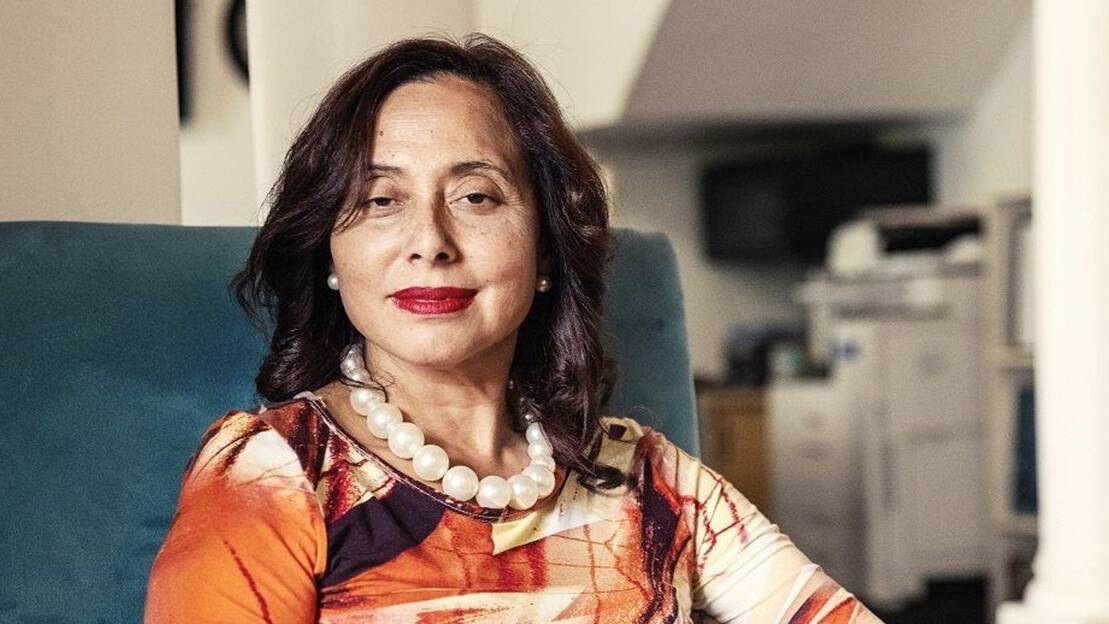
Pictured above: Millions of South Africans are relying on loans to cover everyday expenses as rising living costs and debt repayments swallow household incomes.
Image source: File.