Rising📈 Incidence of Rape🚫 in Indian Society
Medium | 12.01.2026 20:02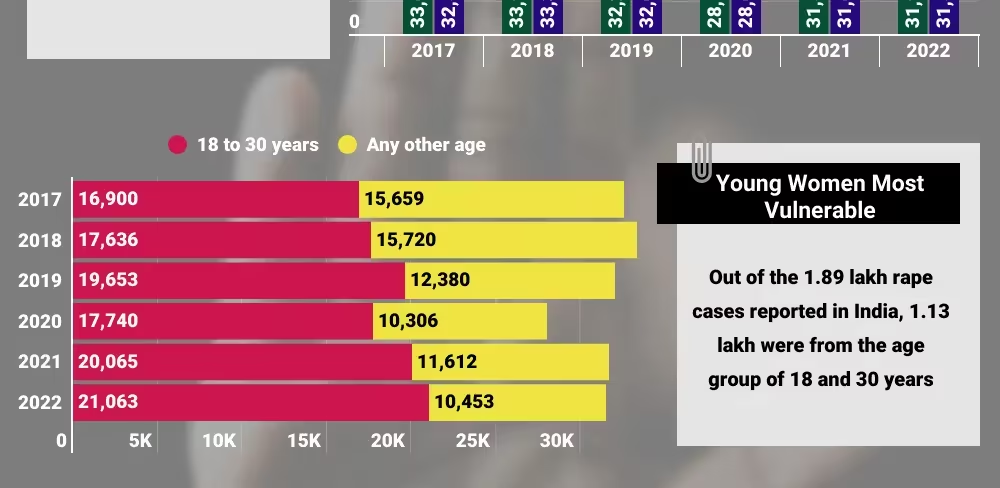
Rising📈 Incidence of Rape🚫 in Indian Society
Author: Psychologist & Social Researcher
Domain: Gender Studies | Criminology | Mental Health | Indian Society
Sexual violence is a serious social and public-health concern in India. Official crime records show a persistent rise in registered rape cases over recent years. While increased reporting explains part of this trend, empirical research and survivor interactions confirm that structural, psychological, and cultural factors continue to sustain sexual violence in Indian society. This article presents an evidence-based analysis through both rapist (perpetrator) and victim (survivor) perspectives.
Statistical Overview (Research-Based)
India records 30,000+ rape cases annually, with a significant proportion involving known perpetrators such as relatives, neighbours, or intimate partners.
National health surveys indicate that spousal sexual violence remains under-reported, especially in rural and economically dependent households.
Conviction rates remain comparatively low, weakening deterrence and public trust in the justice system.
(Data compiled from national crime statistics, population health surveys, and peer-reviewed social research.)
Perpetrator Perspective: Psychological and Social Drivers
1. Patriarchal Conditioning and Male Entitlement
Many offenders exhibit deep-rooted beliefs that women’s consent is secondary to male desire. This sense of entitlement is socially reinforced through gender norms, media portrayal, and silence around consent.
2. Power, Control, and Dominance Psychology
Clinical interviews reveal that rape is frequently an act of control rather than sexual gratification—particularly in domestic or acquaintance cases.
3. Normalization of Aggression
Exposure to domestic violence, childhood abuse, or aggressive masculinity increases the likelihood of sexually violent behaviour in adulthood.
4. Substance Abuse and Disinhibition
Alcohol and drug use significantly reduce impulse control and heighten aggression, acting as facilitators in many offences.
5. Low Fear of Consequences
Weak enforcement, delayed trials, and social protection of offenders reduce perceived risk, emboldening repeat or opportunistic crimes.
Victim Perspective: Structural Barriers and Psychological Impact
1. Fear of Social Stigma
Survivors frequently face blame, character judgment, and pressure to remain silent to “protect family honour”.
2. Economic and Emotional Dependence
Women dependent on family or spouse often endure sexual violence without reporting due to fear of abandonment or retaliation.
3. Institutional Re-Traumatization
Insensitive policing, invasive questioning, medical delays, and prolonged trials intensify trauma and discourage legal action.
4. Severe Mental Health Consequences
Survivors commonly experience PTSD, depression, anxiety, sleep disorders, and long-term social withdrawal.
---
Policy and Social Recommendations
1. Mandatory gender-sensitization and consent education from school level
2. Trauma-informed policing and judicial training
3. Fast-track courts with victim-centric procedures
4. Mental-health screening and rehabilitation programs for offenders
5. Economic and legal empowerment of women at community level
Conclusion
Rape in Indian society is not merely a law-and-order issue but a systemic failure rooted in gender inequality, psychological conditioning, and institutional gaps. Addressing it requires simultaneous reform in social attitudes, mental-health intervention, legal enforcement, and survivor support systems. Sustainable change is only possible when accountability replaces silence and empowerment replaces fear.