The Long Reach of ICE: How America’s Most Controversial Agency is Shaping Lives — and Sparking Resistance
Medium | 10.01.2026 03:21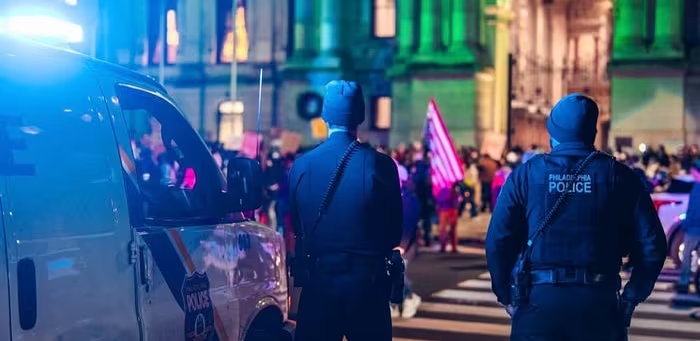
The Long Reach of ICE: How America’s Most Controversial Agency is Shaping Lives — and Sparking Resistance
Follow
3 min read
·
1 hour ago
Listen
Share
PHILADELPHIA — On January 8, 2026, hundreds of Philadelphians gathered outside City Hall — candles trembling in the cold, signs held high, voices cracking with grief and rage — not to celebrate, but to demand justice. This wasn’t a festival or parade. It was a rally born of heartbreak and national outrage: against an institution that, for millions of people across this country, has come to represent fear, separation, and unchecked power.
Image by @pawel_pawlowski (instagram)
ICE’s Mission and the Reality on the Ground
U.S. Immigration and Customs Enforcement (ICE) was created in the shadow of 9/11, part of a post-9/11 reimagining of federal law enforcement tasked with arresting and deporting people who are in the United States without authorization and investigating transnational crime. In government rhetoric, it exists to “protect” public safety and uphold law.
But for millions of families, students, workers, and neighbors living in the communities ICE sweeps through, that rhetoric has translated into something very different — fear at home, fear on the streets, fear in schools and workplaces. Enforcement tactics in schools, hospitals, and workplaces have blurred the lines between so-called sensitive spaces and theaters of intimidation, undermining trust between people and the very systems that are supposed to protect them.
Across the country last year, ICE arrests averaged more than a thousand per day, disproportionately affecting immigrant workers and people of color. Reports from human rights groups stress how enforcement practices — including expanding detention, harsh conditions in custody, and aggressive interior enforcement — tear families apart and undermine civil liberties.
From Minneapolis to Philadelphia: A Movement Against Violence
The spark for the January 8 rally was a tragedy that shook cities nationwide: the fatal shooting of Renee Nicole Good in Minneapolis by a federal agent during an ICE operation. Philadelphia’s protesters weren’t just reacting to a single headline; they were responding to years of loss, fear, and policies that have made homes feel unsafe and communities vulnerable.
In Philadelphia, hundreds assembled in Center City — many calling out the systemic nature of ICE’s reach, others mourning what they see as an avoidable death of a mother and community member. Signs read “No More Deaths,” “Communities Not Cages,” and “Justice for Renee.”
Get Sturdymagazine’s stories in your inbox
Join Medium for free to get updates from this writer.
Subscribe
Subscribe
For so many, this moment was less about a single incident and more about what ICE has become — an everyday threat to people trying to build lives in the places they call home.
The Human Toll
It’s not just numbers. Across the country people speak of disrupted families, children watching parents taken away in early morning raids, neighbors afraid to send kids to school, workers scared to go to work. Enforcement near schools and public spaces has dismantled the sense of safety that should be universal, not a privilege.
And the consequences go beyond fear: detentions have increased, deaths in custody have reached troubling highs, and organizations documenting abuses report systemic mistreatment inside detention facilities.
Resistance and Resilience
What happened at Philadelphia City Hall was not isolated. Demonstrations erupted in cities from New York to Minneapolis as part of a broad movement demanding accountability, transparency, and radical re-thinking of federal immigration enforcement.
These rallies are more than protests — they’re declarations that the people most affected by ICE’s policies are not invisible. They are neighbors, co-workers, students, parents and children who refuse to let grieving moments go unanswered.
What Comes Next
ICE leaders will argue that their policies are about law and safety. But the reality lived by the families and communities at risk speaks louder: enforcement has become synonymous with fear, and its human cost — psychological, emotional, economic — is too high to ignore.
Philadelphia’s rally on January 8th was a moment of collective grief, yes — but it was also an act of resistance. People stood in a public square not just to mourn, but to insist that their lives matter and that the dignity of all residents — regardless of immigration status — deserves protection, not punishment.
In cities across this nation, resistance isn’t waiting for the next tragedy. It’s already here.