Ratanang Malema Sparks Outrage After Calling For The Downfall Of Afrikaans Following Father’s Jail
iReport South Africa | 17.04.2026 18:47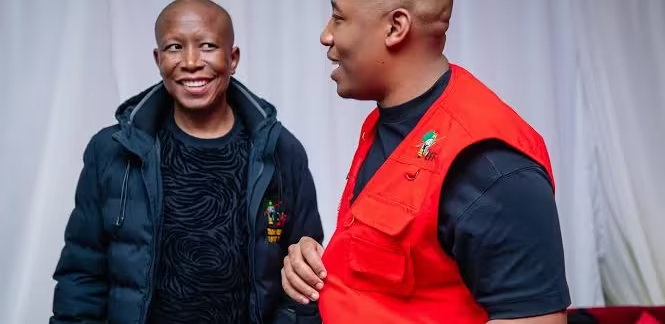
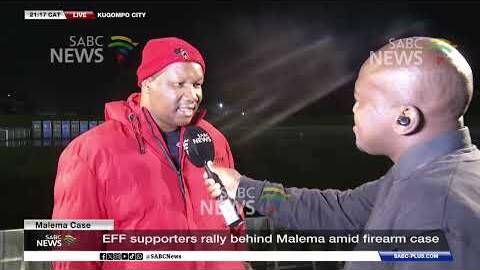
A video circulating on social media shows Ratanang Malema, the son of Economic Freedom Fighters (EFF) leader Julius Malema, addressing supporters during a politically charged moment, as tensions remain high following recent developments involving his father.
In the clip, Ratanang is seen speaking to a crowd of EFF supporters and chanting slogans that include: “Down with Afrikaans, down; down with de Klerk, down; down with this racist magistrate, down.” The remarks were met with mixed reactions online, quickly spreading across platforms and reigniting debate about political expression and rhetoric in South Africa.
The comments come in the aftermath of heightened political activity surrounding the sentencing of the EFF leader, which has triggered demonstrations and strong reactions from party supporters across the country. The Economic Freedom Fighters has maintained that its leader is facing politically motivated persecution, while critics argue that recent court rulings reflect lawful accountability.
Ratanang’s statements referencing Afrikaans and former apartheid-era leaders have drawn particular attention. The mention of former state president FW de Klerk has added to the controversy, given his role in South Africa’s transition from apartheid to democracy.
Legal and political analysts note that such remarks, especially when made in emotionally charged environments, can deepen divisions and inflame already sensitive national debates. They caution that public figures and their families often face scrutiny over comments made in political contexts, particularly when those statements are perceived as targeting institutions or identities.
Supporters of the EFF have defended the outburst as an expression of frustration and political sentiment, arguing that it reflects broader dissatisfaction with aspects of South Africa’s historical and current systems. Others, however, have criticised the language used, saying it risks undermining efforts toward reconciliation and social cohesion.
The video continues to generate widespread discussion online, with opinions sharply divided along political and ideological lines. Some viewers see it as part of a broader culture of confrontational political speech, while others view it as inappropriate given the sensitivities surrounding South Africa’s past.
As reactions continue to unfold, the incident highlights the ongoing intersection of youth political engagement, legacy issues from the apartheid era, and the influence of high-profile political families in shaping public discourse.