The Privilege of Healing
Medium | 08.01.2026 20:06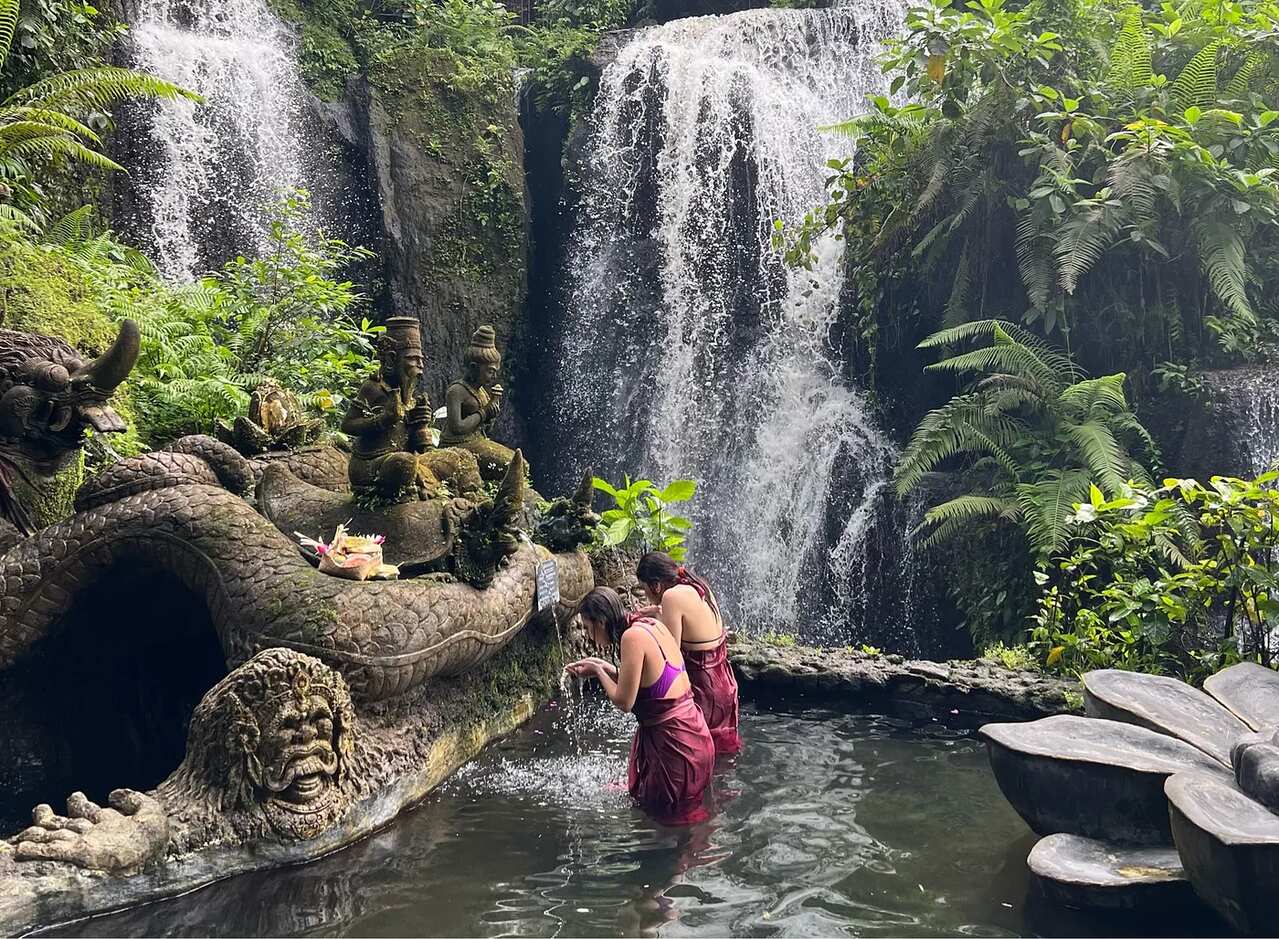
The Privilege of Healing
5 min read
·
Just now
--
Listen
Share
It is that time of year again when people joke—half-seriously—that they hope they will not be God’s strongest soldiers this year. I had hoped for the same in December of 2024. Alas, early in 2025, I was conscripted anyway. I served my time and have only recently been discharged from active duty.
Now, from the quiet after the ceasefire, as the dust settles, and I climb out of the trenches, I can see that there is an end to the struggle. Yet from the peace of my own home, I am forced to reckon with this truth: healing from battle wounds is a privilege many cannot afford.
In April of last year, I left an abusive relationship after finding myself black and blue in a police station following an altercation that erupted when I caught my former partner’s infidelity. It was not the first time I had called the police on him, nor the first time I had been left bruised or betrayed. But it was the first time I found the courage to leave for good.
For a while, I was trauma-bonded, unsure how to rebuild a life without him even though I had an identity long before him.
I graduated magna cum laude from the University of the Philippines. I served as co-director of communications for a non-government organization that bridges women survivors of sexual violence to legal and psychosocial support. I was invited to attend a town hall on women’s empowerment hosted by former U.S. Vice President Kamala Harris in Manila in 2022, one of the few selected to participate. I represented our NGO at a National Youth Commission–United Nations youth convention. I marked my birthdays with outreach work. I was the social ambassador of my flying club—yes, I am also a pilot—where I organized outreach initiatives and secured major sponsors.
I was accomplished. And still, I was reduced. Slowly, deliberately, I was shrunk into a version of myself no one recognized—not even me.
In a rebellious act I did not expect myself to follow through on, I pressed on with legal action. I even revived another case that had been dismissed earlier this year after my former partner convinced me not to attend. With multiple cases now pending against him, I must be clear though: this is not a declaration of guilt or outcome but an account of what I lived through and what it cost to survive it.
I left that relationship carrying fear, but financial dependence was not one of them. I did not rely on that man for money and we did not share a child. For many women, these realities alone make leaving impossible, long before trauma bonds are even considered.
While filing an RA 9262 Anti-Violence Against Women and Their Children case can be pursued through channels designed to be accessible, my former partner’s family is affluent, and I knew the fight ahead would not be simple nor easy. I chose to hire a name partner from a large city firm because I needed justice on equal footing. My former partner had long looked down on me and my family—and I refused to be underestimated again.
A month ago, my lawyer was photographed representing a local A-list actress. That quietly explains his rates. It also underscores the uncomfortable truth at the center of this essay: healing, justice, and even the ability to endure a legal fight are privileges unevenly distributed. Mine came with a price tag I was able (and willing) to pay.
That privilege extended beyond the courtroom. I was able to afford not working while I heal and while the cases are heard. I declined aviation offers because I was not mentally fit to fly. I was living with complex post-traumatic stress disorder, something many survivors experience. The difference was not strength; it was access. In a country where women are told to endure quietly and institutions move slowly unless you can afford to make them move, access often determines whose pain gets taken seriously. I could step back from a budding career and still survive. I could attend therapy. I could heal.
Just a few weeks ago, I returned from Bali. I had originally planned an eight-day holiday with a friend, but on the afternoon of December 10, as soon as we landed back home, I felt an unmistakable pull to return. That same night, I boarded another flight and stayed for eight more days—this time alone, solo traveling abroad for the first time.
There, I experienced a healing that was unexpected and deeply personal. I tried the melukat purification ritual and felt a release I had not allowed myself in months. I danced and let joy exist without explanation. I ate slow brunches that gave my days rhythm again. I was with a man my ex could not hold a candle to. I met women I deeply connected with and am already planning to see again next year.
Healing did not arrive as a single revelation. It came as an accumulation of moments proving there was life on the other side of leaving—even when it felt impossible.
I want women to know that there is life after leaving—fuller, lighter, more expansive than abuse convinces you to accept. The grass is indeed greener on the other side. Still, I hesitate to turn my experience into instruction. Not everyone can step back from work, afford a legal battle, or extend a holiday on a whim.
Even when I say Bali can be more affordable than many local destinations, I know that explanation only goes so far. The version of Bali accessible to me complicates this story. What I spend in one night out there can equal a month’s wages for a local worker. Bali’s affordability exists because the people who sustain it are not paid much. My ability to stay, slow down, and heal was underwritten by an economic reality that favors visitors over locals. I do not romanticize that. I name it.
Healing is possible—but access determines who gets to pursue it. I carry gratitude for the room I was given to heal, and responsibility to name the systems that made that room available to me. Both can be true. Both must be said.
This is not meant to discourage women from filing cases or seeking justice—only to acknowledge the realities that often prevent them from doing so. In the Philippines, where many survive hand-to-mouth, countless stories like mine go unreported not for lack of courage, but because survival comes first. When your basic needs are uncertain, justice becomes a luxury deferred.
Conversations about healing often stop at individual resilience, when they should begin with structural responsibility.
As I step into what the Internet would call my “soft girl era” in 2026, I do so without pretending it appeared out of nowhere. This softness exists because I had the means to leave, to pause, to fight, and to heal. Like the privileged sons who avoid the draft, I was spared further service not by virtue, but by access. Survival taught me that resilience is often mistaken for strength, when it is really the ability to afford rest. Healing, justice, and safety should not be luxuries reserved for those who can pay their way out of the trenches—but until they are not, we need to be honest about who gets to recover, and why.