The Noisiest Library I Ever Found — And It Completely Changed How I See Knowledge
Medium | 13.01.2026 16:31
The Noisiest Library I Ever Found — And It Completely Changed How I See Knowledge
Follow
6 min read
·
Just now
10
Listen
Share
I walked into what I thought would be Finland’s quietest city. Instead, I found the noisiest library in Europe — and it taught me something that changed everything.
When I first walked into the city centre of Helsinki, something surprised me. Not the coffee shops. Not the “busy” streets.
It was the quiet.
Everything felt calm and peaceful. People didn’t shout. There were no big, loud greetings. It was like the whole city was whispering. Low-profile. Even the Government Palace looked more like a hospital than a building.
But then I walked into the Helsinki Central Library Oodi. And that quiet? It completely disappeared.
Oodi itself has so much to talk about — from its architect to the philosophy behind its design. You might want to visit in person or check out their website. But there’s honestly too much to cover, so I just want to share what I felt when I visited without any expectations, and what it taught me.
Wait, A Library That’s Loud?
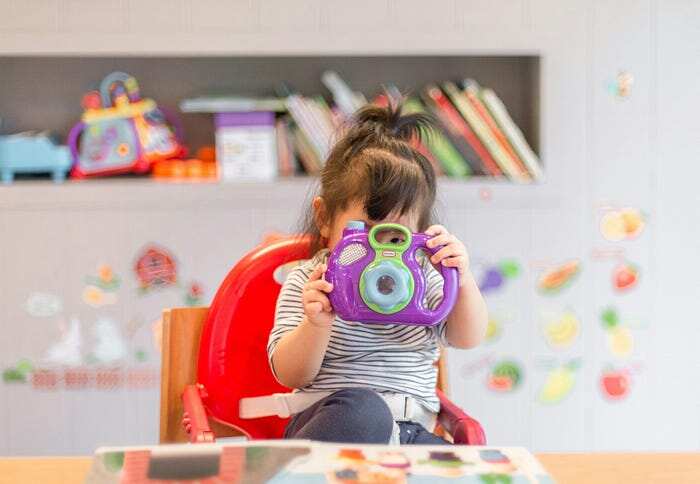
I wasn’t expecting this.
When I found an open area for children in the library, I finally heard something I could call “noise.” But here’s the thing — it wasn’t a ordinary noise.
Kids were reading. They were playing board games. They were listening to stories together. They were walking around, talking to each other, creating things.
There were no screams. No loud crashes.
And yet, this library was the loudest place I found in Helsinki.
That’s when I realized something important: Those sounds?
They were actually the sounds of learning.
The Moment I Heard Learning Making Noise

I walked around the whole library. And I began questioning something: What does learning really look like?
There were books everywhere. But there was also a game room with the newest video game consoles.
But wait. Games? In a library?
There were also kitchens where people could cook. Different work spaces were everywhere — and people were talking, or creating something new together.
The smell of food hung in the air (yes, people could eat outside the restaurant area). Soft sunlight came through the windows.
Every single space told the same story:
There are infinite ways to learn.
So I asked myself: How does learning really happen?
Maybe books are still the most foundational. Maybe we still learn a lot from reading and from teachers in the classroom. But today? Today we learn in so many different ways.
In this library, I understood more:
Learning is not just in books.
Learning is in games.
Learning is in the kitchen.
Learning is in talking with other people.
Learning happens through different things we use. Learning happens when we talk to different people. Learning is about “how” and “who” we learn with.
As a person, we learn through many different ways. We connect with others. We share ideas. We create knowledge together.
The Quiet Truth About How Finns Show They Care

A friend once told me: Finnish people have two sides. After two drinks, they are so warm and friendly you can’t forget them;
And a Finnish friend also told me: We don’t really talk about ourselves very much.
Maybe the stereotypes we have are just easier for us to think about others.
The “coldness” wasn’t rejection, it was actually respect.
The space they give you isn’t distance, it was comfort.
They are not cold. They just show they care in different ways.
They use actions, not just words. They believe in being equal. They respect each other’s space and rhythm.
This might show up in Finnish education. The teacher and the student are more equal. The teacher doesn’t just tell you, they talk to you.
And I saw this same idea in the library:
Games are knowledge.
Cooking is knowledge.
Reading is knowledge.
There are no levels. No rankings.
Nothing ranked. Everything equal.
Knowledge is equal. Work is equal. Human is equal.
This isn’t just philosophy — it’s built into the spaces, into how people interact, into what’s allowed to matter.
Get the portus’s stories in your inbox
Join Medium for free to get updates from this writer.
Subscribe
Subscribe
Now for the hard part. The real question.
Here’s What Keeps Me Awake About Knowledge

Here’s what I really want to know:
Is your knowledge respected?
Are you respected as a person?
Maybe you heard this before: “Only good school grades matter. Only making money is real knowledge.”
Maybe someone told you your curiosity was wrong. Maybe your creativity was judged. Maybe your questions were shut down.
Those skills you learned? Those feelings you have? That experience you gained? They slowly got buried. Until you stopped talking about them.
Maybe that was you. Maybe that’s all of us.
Maybe we are all like the quiet Finnish people.
Believing our knowledge isn’t big enough, isn’t official enough, just isn’t enough.
But this library reminded me of something important:
Knowledge should be equal.
Knowledge should be different.
Knowledge should be respected.
Your sports skills are knowledge. The way you organize your home is knowledge. The way you play games and talk with friends is knowledge.
These things are more than just knowledge — they are connections.
Maybe This Happened to You (It Happened to Me)
I love walking, like purely walking.
I read, I think, I talk to others.
But for years?
I never called these things ‘knowledge.’ They were just… things I did. Small things.
When someone asked what I knew, I thought of grades. Degrees. Salary numbers.
Not walking. Not reading. Not talking.
My knowledge doesn’t count.
That library made me see it. And once I saw it, I couldn’t unsee it.
What Knowledge Of Yours Is Invisible?
These are just my personal experience.
Have you visited Oodi? I’d love to hear your experience.
I need to ask you something, and I mean this:
- Is your knowledge being seen?
Not by the world. Not by your family, maybe. But by you?
Tell me in the comments:
- What knowledge of yours has gone invisible?
Not something theoretical. One actual skill. One thing you know how to do that nobody gives you credit for.
Maybe you can cook really well.
Maybe you fix things in your home.
Maybe you are good at helping your friends feel better.
I want to hear it. Specifically. Concretely.
When you share, we can all redefine what ‘being respected’ really means. Together.
Now, here’s what I need to ask you:
Before You Leave
One more thing before you go:
- What knowledge did YOU have to hide or minimize to fit in?
I’m genuinely asking. Comment below.
Want to keep the conversation going?
Instagram @withtheportus | Facebook The Portus
We write about the invisible things. The knowledge society refuses to see. We share interviews. We listen to stories about art, people, what actually matters.
And we reply to your comments. Because your voice matters.