14 days to get a government together. Good luck, SA.
Explain | 05.11.2026 15:59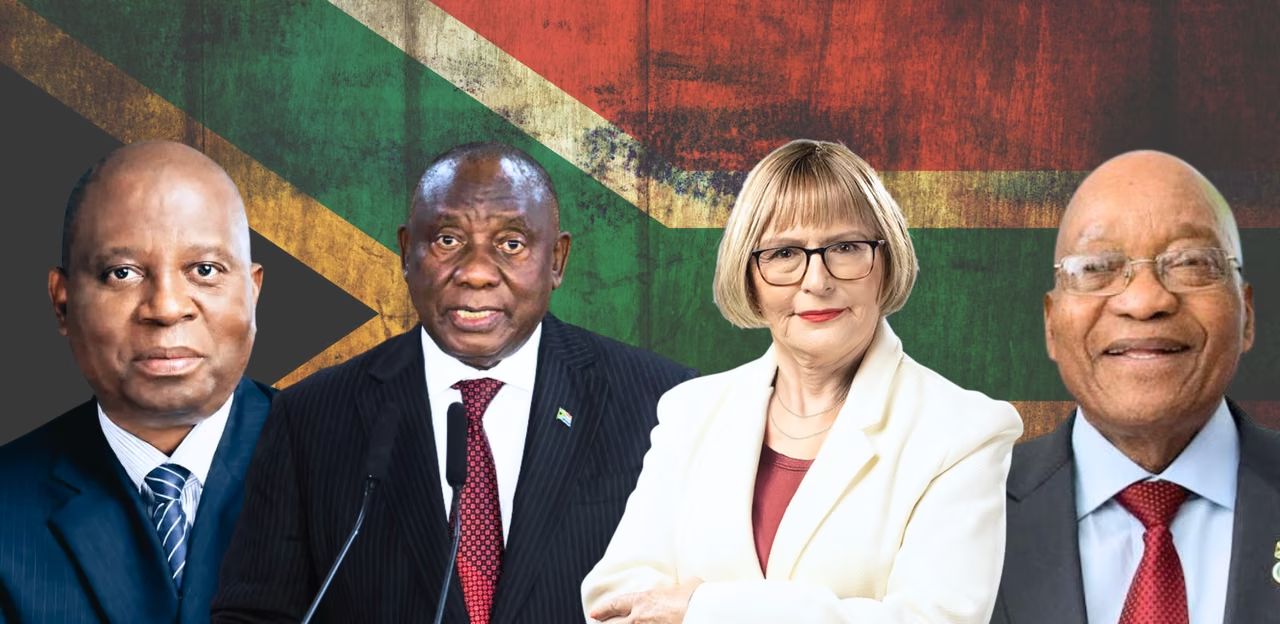
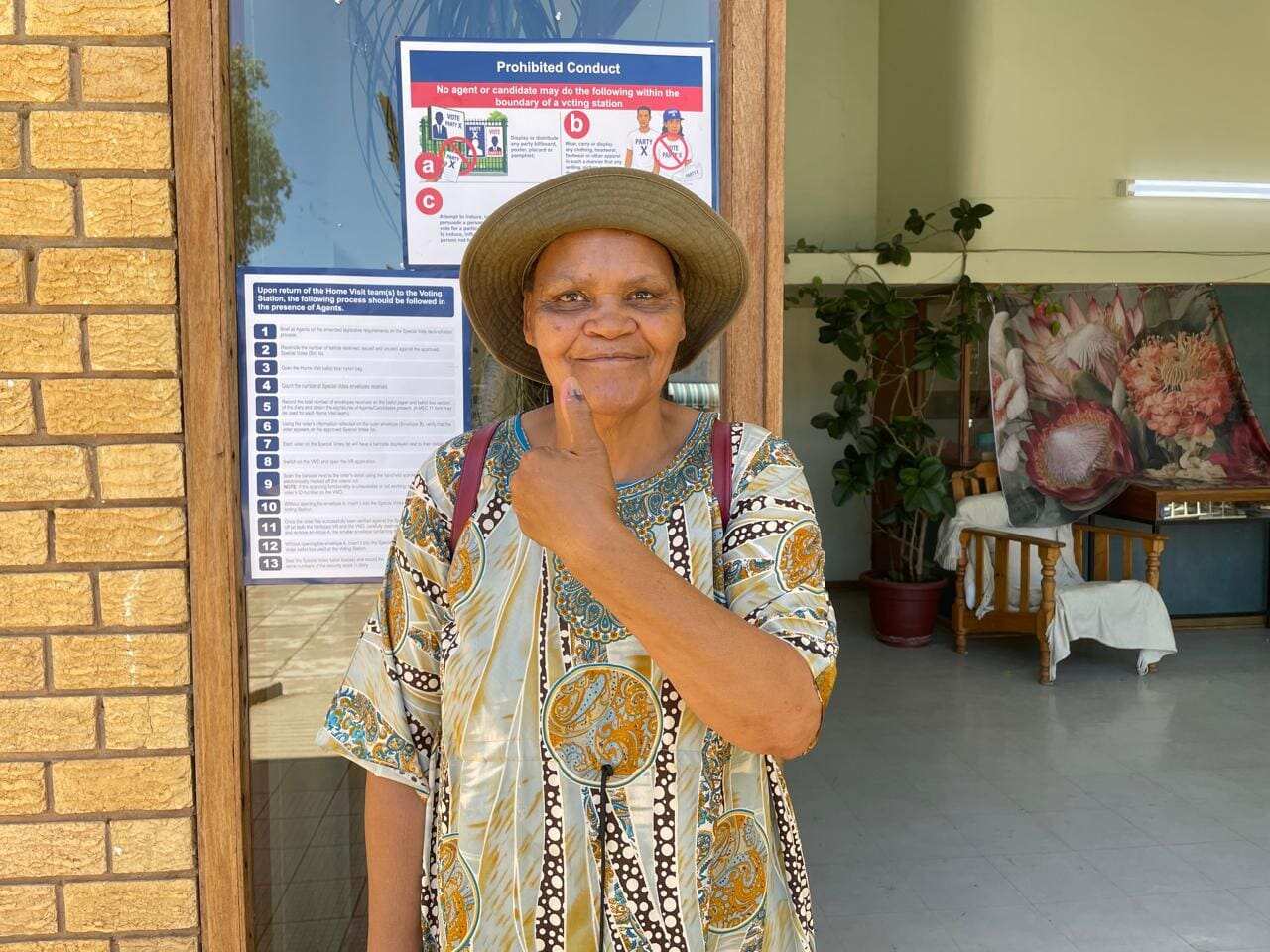
South Africa has voted. Now comes the part where politicians must figure out how to work together. Unlike some countries, ours does not give them much time to figure it out. With the local government elections behind us, attention turns to two big questions: who won, and who will actually run our municipalities?
First, the IEC has to finish counting and verifying the votes. It officially has seven days after election day on 4 November to declare the results. But the picture will emerge fairly soon as the counted results trickle in on their live dashboard, with the results announcement scheduled for Sunday at the national results centre in Midrand.
As we’ve explained before, those results determine how many seats each party gets on a municipal council. If a party wins more than half the seats, governing is relatively straightforward. It has the numbers to elect its preferred leaders.
But if no party wins a majority, which is widely predicted in many of the country’s eight metros, things get interesting. Welcome to coalition season. Parties must negotiate who gets the mayor’s job, who becomes speaker, which parties control key portfolios and, hopefully, what they actually plan to do about those potholes.
Here is the tricky bit: SA law requires newly elected municipal councils to hold their first meeting within just 14 days of being declared elected.
That does not mean parties legally have 14 days to sign a coalition agreement. There is no such deadline. But they face enormous pressure to reach an understanding before councillors start voting on who gets the top jobs.
For comparison, forming municipal coalitions in the Netherlands has taken close to 90 days on average following its March 2026 elections.
South Africa has considered giving parties more breathing room. A proposed law would extend the period for setting up council leadership from 14 to 30 days and require formal, written coalition agreements. But it has not yet become law.
What if parties cannot agree? Councils can still elect leaders without a formal coalition, but shaky alliances can mean leadership changes, political battles and delayed decisions. We have seen this movie before.
That is the real test. Voters have chosen their representatives. Now those representatives must choose whether to make government work. While politicians negotiate positions, residents still need water, electricity, functioning roads, and rubbish collection. The potholes are not taking a coalition break.