Futility of awareness amidst the ironic sovereignty…
Medium | 06.01.2026 00:36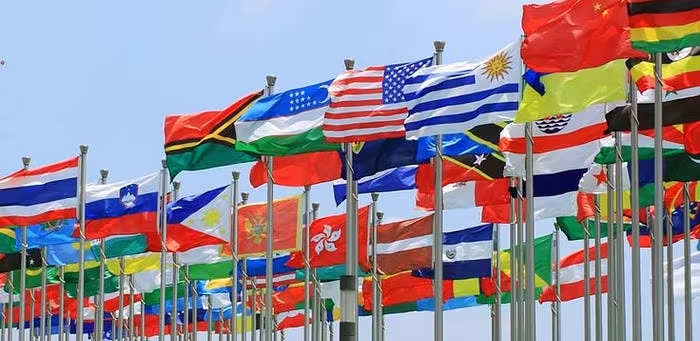
Futility of awareness amidst the ironic sovereignty…
Follow
3 min read
·
Just now
Listen
Share
In this rapidly evolving world, where information travels faster than missiles, awareness—once a privilege—is now an ever-present weight. Humans are aware of the wars and events happening around the world, yet are ironically powerless, confused, and trapped in their own knowledge. Everyone knows about wars engineered for profit, unfair economic systems, and powerful countries controlling weaker ones. Despite being aware of all this, nothing actually changes; awareness feels useless.
Get Fatima Ijaz 🫶’s stories in your inbox
Join Medium for free to get updates from this writer.
Subscribe
Subscribe
Many countries are marked as independent. Modern sovereignty, celebrated as the ultimate achievement of post-colonial liberation, is flaunted through flags, anthems, and constitutions. Yet decisions are still influenced by powerful nations or global financial institutions. Developing countries depend on loans, aid, and trade; states appear autonomous but are conditional in function. This ironic sovereignty exposes the insincerity of a world ruled by balance sheets.
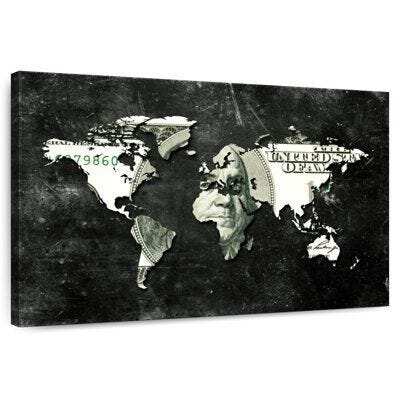
At the heart of this system is the imperialism of the dollar—a quiet power, more lasting than any empire. The U.S. dollar doesn’t just make trade possible; it controls it. Countries must earn, borrow, or hoard dollars just to keep their economies running, giving the United States immense influence over the world. When financial crises hit distant capitals, developing nations bear the brunt—currencies collapse, debts rise, and people’s livelihoods are destroyed. Everyone seems aware of this imbalance, and it’s debated in classrooms and public forums alike. Yet the system stays the same, proving that simply knowing the truth is not enough to challenge power.

History doesn’t shout; it whispers in loops. Where colonial rulers once controlled lands with armies and officials, today’s powers govern through economic dependence, political pressure, and strategic instability. Colonization has shed its uniforms but kept its purpose. Loans for infrastructure take the place of railways, trade agreements replace old treaties, and cultural influence replaces forced assimilation. The formerly colonized are told they are partners, even though the rules of that partnership keep them at a disadvantage. The real tragedy isn’t that this is hidden—it’s that everyone can see it, and yet it’s accepted as normal.

Ultimately, The greatest irony is this: the world isn’t ruled by ignorance, but by informed consent that pretends to be inevitable. The real challenge isn’t just awakening societies—it’s turning awareness from passive understanding into action that can shake the system. Until that happens, sovereignty remains ironic, history keeps looping quietly, and even the deepest awareness bounces uselessly against the walls of power that already know it too well.