SKUBU is Changing How South Africans Buy Everyday Essentials
Good Things Guy | 15.02.2026 11:15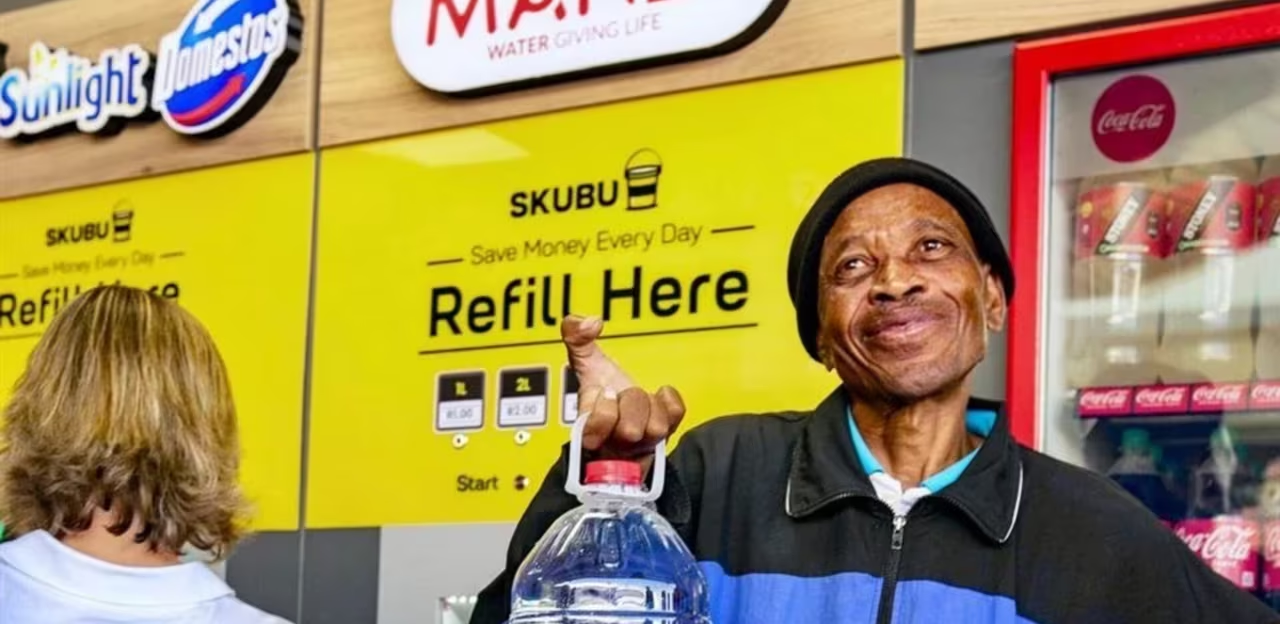
When a local idea meets real need, it does not take long for people to rally behind it. That is exactly what happened when SKUBU, a refill store built for low-income consumers, landed on millions of screens across the country.
Johannesburg, South Africa (15 February 2026) – Something special is happening in Diepsloot, and it has everything to do with dignity, affordability and smart thinking that puts people first. A short video, filmed on a phone and shared with genuine excitement, has turned a local idea into a national conversation and it is exactly the kind of good news South Africa needs right now.
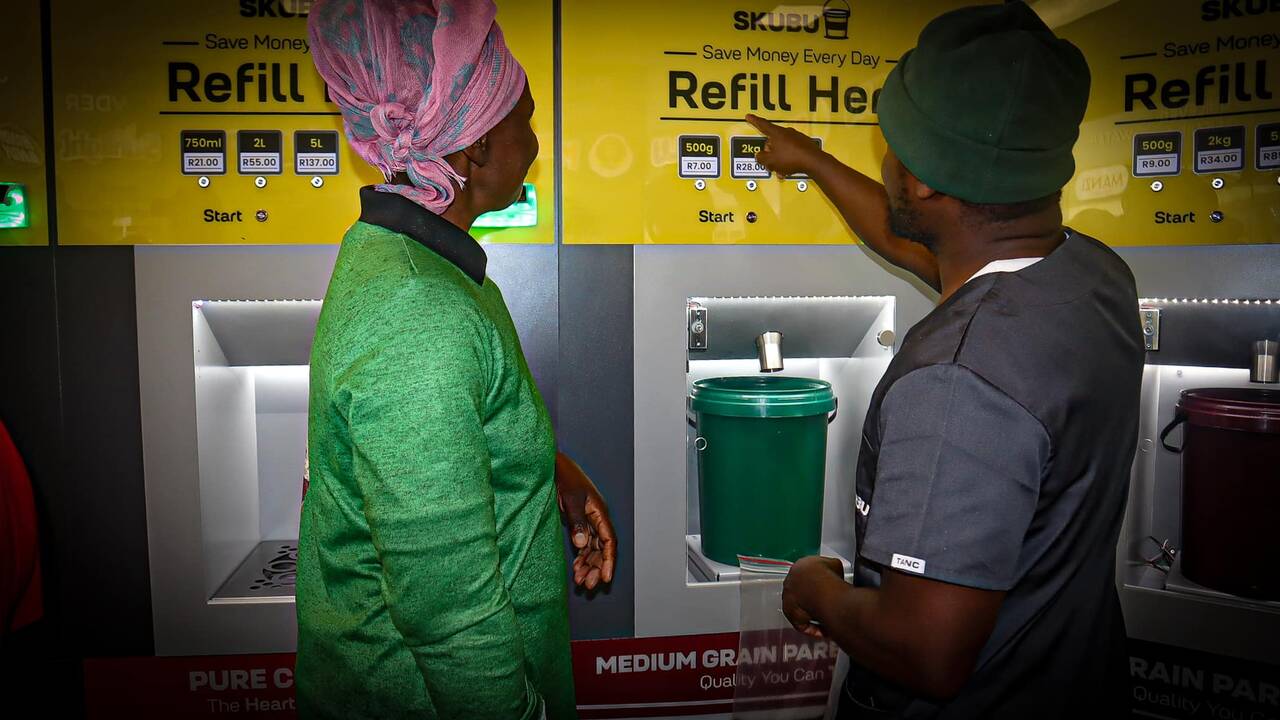
Keith Dodgen, known online as “Yung Earn”, recently posted a video of himself visiting SKUBU, the world’s first fully automated refill store. In just two days, that video racked up 1.6 million views, prompting South Africans to flock to the comments section to celebrate a concept that feels both innovative and deeply practical.
@yungearn Only R100? Let’s see what I can get at SKUBU 😅 SKUBU is the world’s first fully automated refill store and it offer high demand staple foods at unmatched prices 🥰 Try it for yourself 😁 #food #groceryshopping #haul #skubu #tiktoksouthafrica ♬ original sound – YungEarn ❤
Launched by Ebenzer de Jongh just nine months ago, SKUBU was designed specifically for low-income consumers. That intention shows in every detail. The store offers everyday staples at prices that feel almost unbelievable when compared to traditional retail. One kilogram of maize meal sells for R9, compared to around R20 elsewhere, which is a 55% saving on one of the most-consumed food items in the country. By removing packaging costs and allowing customers to buy exactly what they need, SKUBU makes access to essentials more affordable while reducing waste. Prices are fixed per litre or kilogram, whether you are buying a little or a lot, which gives shoppers control over their budgets without compromising dignity.
Thanks to Keith’s video, SKUBU is now firmly on the map, with South Africans praising the idea and dreaming big about what it could become.
“I love Skubu ❤️they must open stores nationwide”
“In today’s economy, shout out to Skubu for selling essentials to the community at such low prices. Not only is this economically efficient, but it also helps avoid waste, as you only shop for the amount you need. Also, jobs are being created at that. Talk about inclusivity!!!”
“They could make university students’ lives easy if they had shops near the university coz food is expensive.”
“This is ticking so many right boxes: affordability, access, and environmental protection! Well done to the minds behind it🙌🏾🙌🏾”
The concept is brilliant but his idea is not new. Three years ago, Miles Khubeka, entrepreneur, keynote speaker and author, launched Gcwalisa, a containerised retail outlet built around a refill-and-weigh-and-pay model. Long before algorithms picked it up, Gcwalisa was already serving communities by allowing customers to buy basic nutritional food items and household products using the money they had on hand. From Weet-Bix to soup, eggs, and maize meal, the model respects real budgets and real lives, proving that access matters just as much as innovation.
Both SKUBU and Gcwalisa are doing something powerful for the Kasi economy. They are meeting people where they are, respecting tight budgets and changing the relationship many South Africans have with essential goods. The key difference is that SKUBU is fully automated, using technology to scale the refill model in a new way. Gcwalisa, on the other hand, proves that human-led, community-rooted solutions are just as impactful.
Together, they show what is possible when innovation is driven by empathy.
SKUBU founder, Ebenzer, has been open about how overwhelming the response has been. After Keith’s video went viral, he took to social media to say that he had received hundreds of calls and thousands of emails. The interest became so intense that he had to remove his phone number from the website. It’s a “problem” most founders dream of and a clear sign that South Africans are hungry for solutions like this.
Right now, SKUBU operates a single store in Diepsloot. But the vision is much bigger. The team plans to scale to more than 30 stores across Southern Africa within the next two years, bringing affordable access to essentials to many more communities.
This is a South African win in every sense. Local challenges met with local solutions, backed by people who understand what really matters. When ideas like these grow, they remind us that the future is being built right here, by those who care deeply about access, fairness and dignity.