10 Healthy Eating Trends You Need to Know About in 2026
Foodie | 30.03.2026 12:30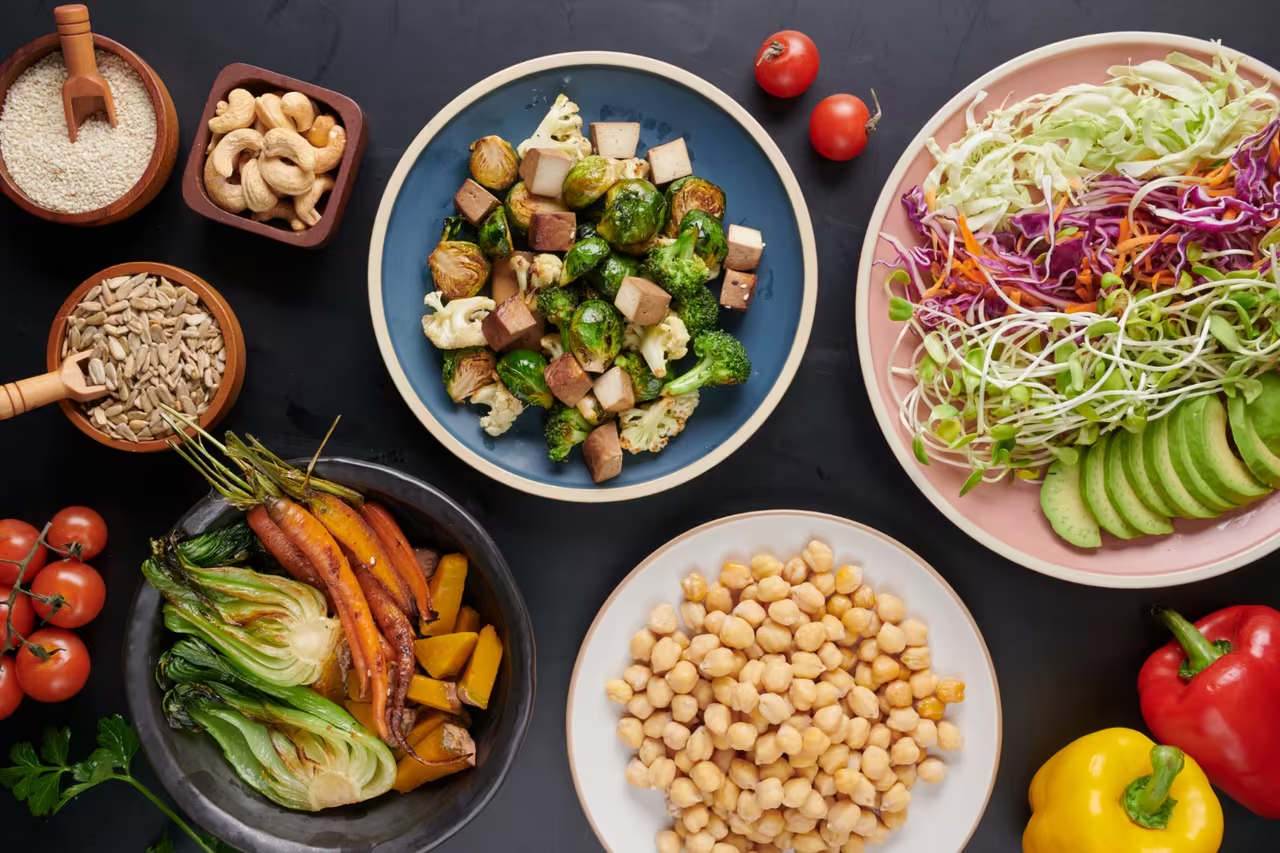
Healthy eating continues to evolve as people look for smarter ways to nourish their bodies and support long-term wellness. In 2026, food trends focus on simplicity, sustainability, and practical nutrition that fits into everyday life. Consumers now pay closer attention to ingredient quality, sourcing, and how food impacts both physical and mental health. Technology and innovation also shape how people choose, prepare, and consume meals. There is a clear shift toward whole foods, balanced diets, and mindful eating habits that support overall wellbeing. At the same time, convenience remains important, driving demand for quick, healthy options that do not compromise on nutrition. The following trends highlight what is shaping healthy eating in 2026 and how you can apply these ideas to your daily routine.
Plant-Forward Eating
Plant-forward diets continue to gain traction as more people reduce their reliance on meat without eliminating it completely. Vegetables, legumes, whole grains, nuts, and seeds form the base of meals, offering fiber, vitamins, and minerals. This approach supports heart health and can reduce the risk of chronic diseases. You can start by replacing a few weekly meals with plant-based options such as lentil stews or roasted vegetable bowls. Many home cooks now experiment with beans, chickpeas, and tofu as protein sources. This trend focuses on balance rather than strict rules, making it easier to maintain long term.
Functional Foods for Targeted Health
Foods that provide specific health benefits are becoming a key focus. Ingredients like turmeric, ginger, berries, and leafy greens are valued for their anti-inflammatory and immune-supporting properties. People now choose foods that support digestion, brain health, and energy levels. You can incorporate these foods into smoothies, soups, and everyday meals without major changes to your routine. This trend encourages intentional eating based on your personal health goals. It also promotes awareness of how different nutrients affect your body.
High-Protein Balanced Diets
Protein remains a priority, but the focus has shifted to balanced intake rather than excess consumption. Lean meats, fish, eggs, dairy, and plant proteins all play a role in supporting muscle health and satiety. Many people now aim to include protein in every meal to maintain steady energy levels. Simple choices like adding Greek yogurt to breakfast or beans to salads can make a difference. This approach helps reduce cravings and supports weight management. It also fits well with active lifestyles.
Gut health has become a central part of healthy eating discussions. Fermented foods like yogurt, kefir, kimchi, and sauerkraut support beneficial bacteria in the digestive system. A healthy gut can improve digestion, immunity, and even mood. People now pay closer attention to fiber intake from fruits, vegetables, and whole grains. You can improve gut health by including a mix of prebiotic and probiotic foods in your diet. This trend emphasizes consistency rather than quick fixes.
Low Sugar, Natural Sweeteners
Reducing added sugar remains a priority, with more people choosing natural alternatives. Honey, dates, and fruit-based sweeteners replace refined sugar in many recipes. This shift helps manage blood sugar levels and reduces the risk of lifestyle diseases. You can start by cutting back on sugary drinks and processed snacks. Many brands now offer low-sugar or no-added-sugar options. This trend supports long-term health without eliminating sweetness entirely.
Sustainable and Local Eating
Sustainability influences food choices more than ever. Consumers look for locally sourced produce, seasonal ingredients, and ethically produced foods. This approach reduces environmental impact and supports local farmers. You can participate by shopping at local markets and choosing seasonal fruits and vegetables. Sustainable eating also encourages reducing food waste through better planning. This trend connects health with environmental responsibility.
Mindful eating focuses on how you eat rather than just what you eat. People are slowing down, paying attention to hunger cues, and avoiding distractions during meals. This practice can improve digestion and prevent overeating. You can start by eating without screens and taking time to enjoy each bite. Mindful eating builds a healthier relationship with food. It also helps you recognize when you are truly satisfied.
Busy lifestyles drive demand for quick, healthy meals that require minimal preparation. Pre-cut vegetables, ready-to-cook grains, and balanced meal kits are becoming more popular. These options make it easier to maintain healthy habits without spending hours in the kitchen. You can combine convenience items with fresh ingredients to create balanced meals quickly. This trend shows that healthy eating does not have to be time-consuming. It supports consistency even during busy weeks.
Nutrition is becoming more personalized, with people tailoring diets to their specific needs. Factors like age, activity level, and health conditions influence food choices. Some individuals use apps or professional guidance to create customized meal plans. This approach ensures that your diet supports your unique goals. You can start by paying attention to how different foods make you feel. Personalized nutrition helps you make informed decisions based on your body’s needs.
Snacking is no longer seen as unhealthy when done correctly. People now choose nutrient-dense snacks such as nuts, seeds, yogurt, and fresh fruit. These options provide energy between meals without excess calories or sugar. You can prepare snacks in advance to avoid unhealthy choices. Portion control also plays a key role in this trend. Healthy snacking supports energy levels and prevents overeating at main meals.
Healthy eating in 2026 reflects a shift toward balance, awareness, and practical choices that fit into everyday life. The focus is no longer on strict diets but on sustainable habits that support long-term wellness. Trends such as plant-forward eating, gut health awareness, and personalized nutrition highlight a more informed approach to food. At the same time, convenience and accessibility ensure that healthy options are within reach for most people. Small changes, like reducing sugar or adding more whole foods, can have a significant impact over time. These trends encourage consistency, making it easier to maintain healthy habits throughout the year. By understanding and applying these ideas, you can build a diet that supports both your health and your lifestyle in a realistic way.