IDAC Dismisses Viral Claims of Arrest Warrant Against KZN Police Commissioner Nhlanhla Mkhwanazi
iReport South Africa | 18.05.2026 13:12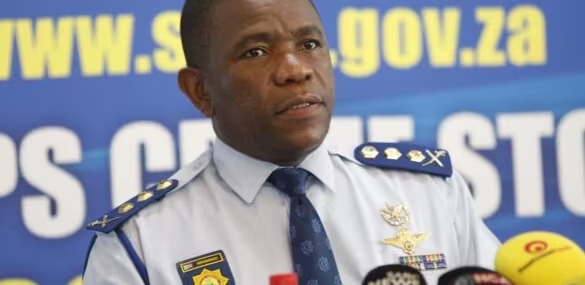
The Independent Directorate Against Corruption (IDAC) has firmly dismissed widespread social media claims alleging that a warrant of arrest had been issued for KwaZulu-Natal police commissioner Nhlanhla Mkhwanazi, describing the reports as false, misleading, and without any factual basis.
The rumours, which circulated across multiple social media platforms, claimed that a J50 arrest warrant had been authorised and that the senior police official was facing imminent arrest. The posts quickly gained traction online, sparking public concern and prompting enquiries directed at the anti-corruption body.
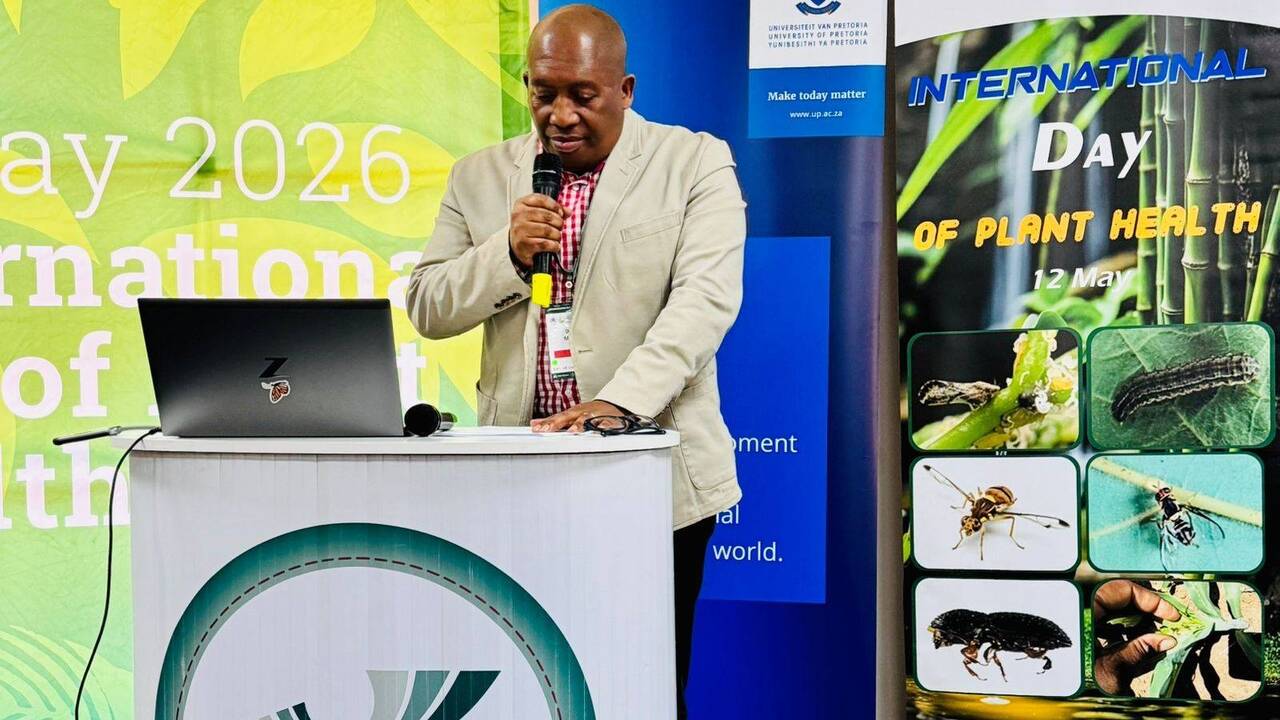
However, IDAC moved swiftly to clarify the situation, stating that no such warrant exists and that the allegations were entirely fabricated. Speaking on behalf of the organisation, spokesperson Henry Mamothame rejected the claims in strong terms, stressing that the information being circulated was false.
“This information is false and dismissed with the contempt it deserves,” Mamothame said, adding that the body had taken note of the viral rumours and urged the public to disregard them completely.
The directorate further cautioned against the spread of unverified information, highlighting the growing problem of misinformation on social media platforms, particularly when it involves high-profile public officials and sensitive law enforcement matters. Officials warned that such false reports can damage reputations, create unnecessary public panic, and interfere with institutional credibility.
The false claims also triggered online debate, with some users questioning the source of the misinformation and others calling for stricter regulation of misleading content shared on digital platforms.
IDAC reiterated its commitment to transparency and due process, assuring the public that any legitimate investigations or legal actions would be communicated through official channels and not through anonymous social media posts.
Authorities continue to encourage citizens to verify information before sharing it, especially when it concerns law enforcement agencies and senior government officials.