The ANC promised renewal. Its old problems are back before the polls.
Explain | 17.08.2026 17:40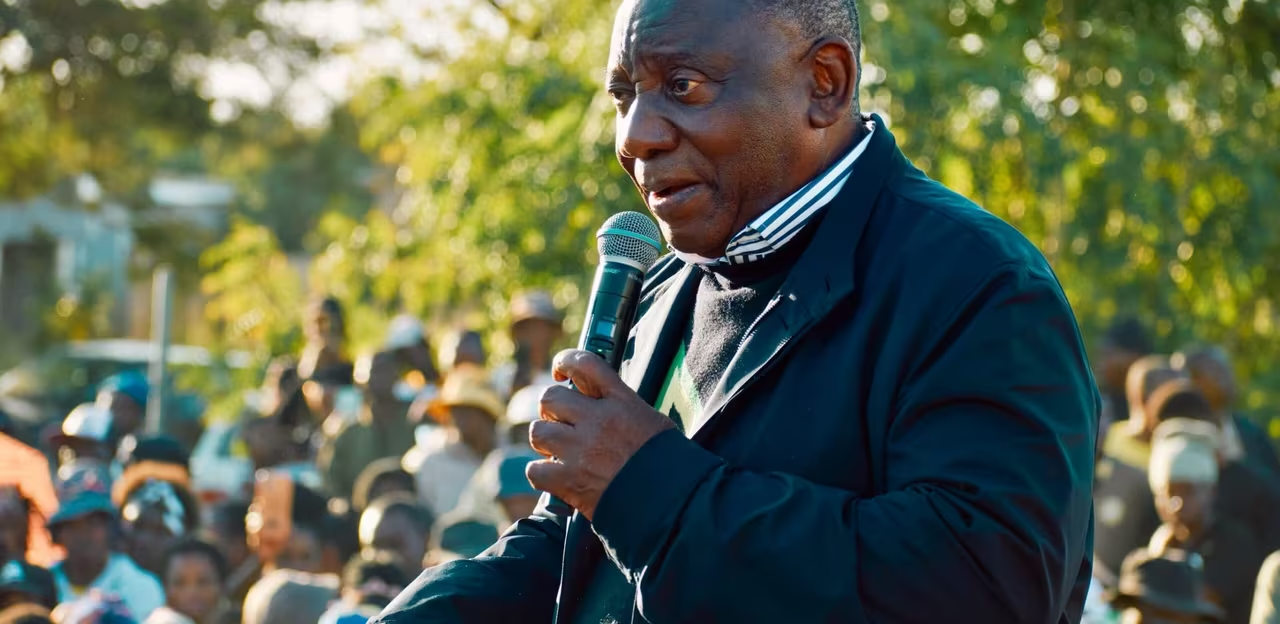
The ANC has less than three months before South Africans vote in the 2026 local government elections.
Ideally, the party would like to spend that time convincing voters that it can fix municipalities, improve services and rebuild trust after its bruising 2024 election result, when its national support fell to 40.18%, and it lost its outright majority for the first time.
Instead, the past few weeks have dragged the party back towards three problems it has spent years promising to leave behind: money in internal politics, factional fighting and questions about accountability at the very top.
This is awkward because renewal has been one of President Cyril Ramaphosa’s central promises. After the 2024 election, he warned that the ANC faced an “existential crisis” and had to “renew or perish”. He pointed to poor services, unemployment, weak governance and problems inside the party itself as reasons voters had turned away.
Now, with the local elections confirmed for 4 November, the question is whether voters believe enough has actually changed.
First problem: allegations of money buying influence
The newest headache comes from inside the ANC itself.
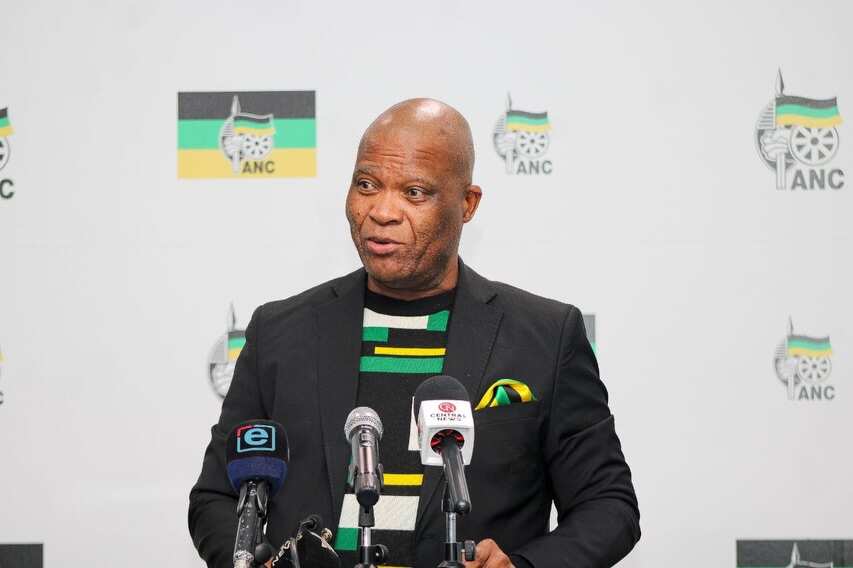
Earlier this month, former minister and ANC National Executive Committee member Nkosazana Dlamini-Zuma accused senior party figures of using money to influence internal elections.
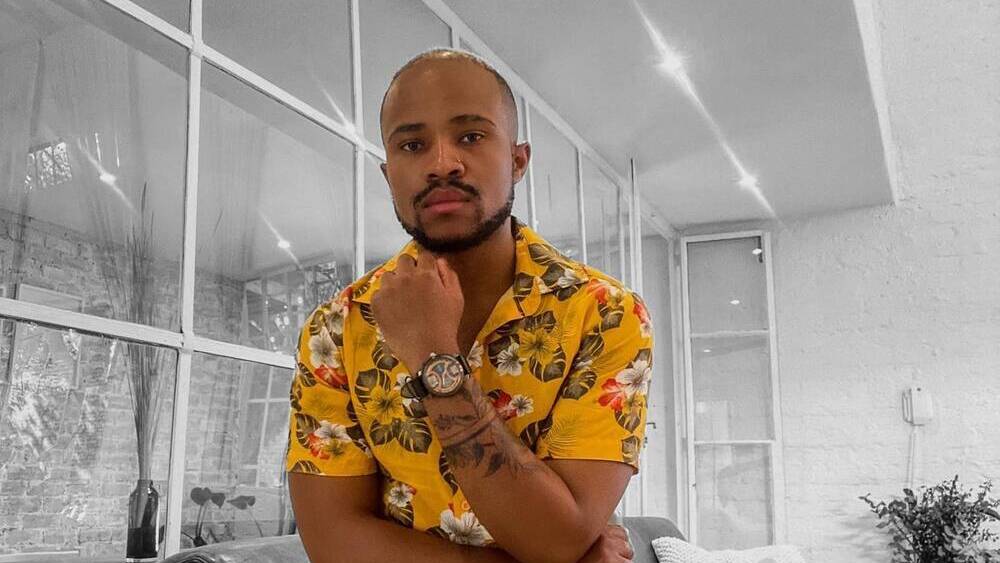
Speaking on Mbuyiseni Ndlozi’s Africa Renaissance Podcast, Dlamini-Zuma alleged that money played a role in ANC elective conferences and accused secretary-general Fikile Mbalula and International Relations Minister Ronald Lamola of vote-buying.
Both men have rejected the allegations. Mbalula criticised Dlamini-Zuma for making the claims publicly and argued that she should have taken any evidence to the ANC’s Integrity Commission. Lamola demanded a public retraction and threatened legal action.
The ANC has spent years insisting that its renewal project includes cleaning up internal leadership contests, improving discipline and rooting out corruption. Delivering the party’s January 8th statement in 2025, Ramaphosa said the party had to rebuild its capacity, which meant fostering a culture of ethics and integrity, so senior ANC figures publicly accusing one another of using money to win internal power is not exactly the campaign poster the party ordered.
(The ANC’s annual January 8 statement marks the organisation’s founding in 1912 and sets out its political analysis, priorities and strategic direction for the year ahead).
Second problem: factionalism never really went away
ANC infighting is hardly new. The most famous rupture came at the 2007 Polokwane conference, when Jacob Zuma defeated then-president Thabo Mbeki for the ANC presidency. The fallout helped produce the Congress of the People (Cope) after a group of senior figures broke away from the ANC.
The ANC itself has said its next national conference will take place in 2027, and has previously warned members against allowing succession battles to distract from rebuilding the organisation and winning elections.
Then there is the buffalo in the room
Just when you thought Phala Phala might finally have moved into South Africa’s enormous archive of scandals you vaguely remember, it came back.
A quick refresher: the controversy began after it emerged that foreign currency had been stolen from President Cyril Ramaphosa’s Phala Phala game farm in 2020. Ramaphosa has said the cash came from a buffalo sale and has denied wrongdoing.
An independent panel appointed by Parliament later found damning findings, including saying there was “substantial doubt about the legitimacy of the source of the currency that was stolen” and concluding that Ramaphosa “has a case to answer”.
In December 2022, the National Assembly voted against proceeding with an impeachment inquiry.
In May this year, the Constitutional Court ruled that Parliament had acted unlawfully when it blocked an impeachment inquiry into Ramaphosa, putting the Section 89 process back into play.
Parliament then established a new impeachment committee.
Ramaphosa has challenged the panel report in court and sought to stop the impeachment committee’s public hearings pending the outcome of that review.
In July, the Western Cape High Court granted an interdict preventing the committee from holding public hearings pending the outcome of his review application. Parliament and political parties initially resolved to appeal, but the Constitutional Court has since declined a direct application for leave to appeal. Despite the legal limbo surrounding public hearings, the committee chair, Makashule Gana, says the committee is likely to continue to conduct preparatory work.
Why does all this matter for November?
None of these stories automatically tells us how somebody will vote. A voter angry about potholes, water outages or rubbish collection may care far more about whether their municipality works than about an argument between Dlamini-Zuma and Mbalula.
In fact, the ANC itself has acknowledged that local government is central to its electoral problem. In its 2026 January 8th statement, it has made fixing municipalities a major priority, while its candidate-selection rules say improving the quality of councillors is part of rebuilding and renewing the party.
The ANC is trying to sell voters a story of renewal, competence and accountability. At the same time, it is addressing allegations that money is influencing internal leadership contests, managing another round of factional tension, and watching its president face an impeachment process linked to a scandal that first erupted four years ago.
November 4 is coming
The ANC has already learned what happens when dissatisfied supporters stay home or choose somebody else. In 2024, losing its majority forced it into a Government of National Unity and triggered some of the strongest warnings yet from its own leadership about the party’s survival.
The local government elections on 4 November will be the first major electoral test since then. That gives the ANC a fairly simple challenge with an extremely complicated answer: Can it persuade voters that renewal is underway while so many familiar problems still hang around?
Ramaphosa warned that the ANC must renew or perish. Voters are about to give the party another progress report.