: George Orwell
Medium | 09.01.2026 03:59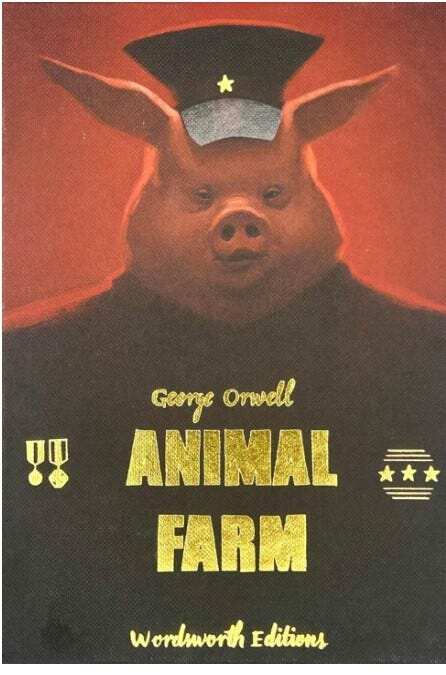
Book Review -Animal Farm: George Orwell
Orwell’s small farm, simple sentences, and sharp lines linger long after the last page.
Follow
3 min read
·
1 hour ago
Listen
Share
A simple fable with a heavy aftertaste
On the surface, Animal Farm reads like a straightforward fable: talking animals, a farm setting, clean, unfussy prose. Underneath, the tone slides from almost playful to quietly bitter, mirroring the farm’s journey from hope to disappointment.
Orwell’s style is stripped down and calm, which makes the sharper lines stand out like small shocks.Early in Old Major’s speech, we get:
“Man is the only creature that consumes without producing.”
The sentence is short, rhythmic, and blunt. It sets up the animals’ sense of injustice with almost no ornament, and it establishes a pattern: big moral ideas delivered in very small packages.
Equality on the wall, and what happens to it
The novella’s most famous sentences arrive when the animals first rewrite their world:
“All animals are equal.”
It is “a simple sentence but hugely effective,” leaving “no room for argument or debate.” In the early chapters, this commandment feels like a clean promise and gives the book its brief, optimistic mood. Later, Orwell returns to the same structure but twists it:
“All animals are equal, but some animals are more equal than others.”
The revision keeps the original words but bends their meaning, which is where a lot of the book’s weight sits. It shows how language can be stretched until it no longer protects fairness, only those in charge of the wording. As a reader, that line did not land as a clever joke; it felt like a quiet betrayal of the trust built in the opening chapters.
Tone, mood, and the feeling of “something is off”
The mood shift in Animal Farm as a move from “optimistic and energized” to “negative,” as the hopeful uprising turns into a cautionary tale. That shift is not driven only by events; it is driven by small edits and soothing explanations.Squealer’s lines often carry that double edge, for example:
“No one believes more firmly than Comrade Napoleon that all animals are equal.”
On paper, it sounds reassuring. In context, it comes at a point where actions and comforts are clearly not equal, which makes the sentence feel hollow and vaguely menacing.
Get K_UK’s stories in your inbox
Join Medium for free to get updates from this writer.
Subscribe
Subscribe
Another quietly devastating line is:
“No animal in England knows the meaning of happiness or leisure after he is a year old.”
Here, Orwell compresses a whole emotional landscape, exhaustion, duty, and the fading of simple joy into one flat observation.It is part of what makes the book feel heavy without ever raising its voice.
What lingers on a personal level
Beyond allegory, the book left a few personal, very human impressions:
- It is frightening how easy it is to miss slow changes, especially when tired, loyal, or eager to believe in a shared dream.
- Words are never neutral; repeated phrases can either protect truth or gently smudge it out of focus.
- The characters who complain the least to the Boxers of the world often need the most care and attention.
Reading Animal Farm this way turns it from “a classic about power” into something quieter and closer: a reminder to watch the small edits, listen to the unsettled feeling in your chest, and keep an eye on whether the words on the wall still match the life being lived beneath them.
To buy the book : https://amzn.to/4pWNpgG