Who Deserves a Second Chance
Medium | 31.12.2025 20:57
Who Deserves a Second Chance
Follow
3 min read
·
1 hour ago
Listen
Share
We say we believe in rehabilitation.
We say we believe people can change.
However, the answer becomes complicated when someone genuinely wants a second chance…
Punishment is evident in criminal justice. Redemption isn’t.
I mean its no brainer that after you are convicted of a crime you get a criminal record. Job applications, housing forms, social interactions, and public memory all essentially judge it. It seems like nothing else about you is important apart from the criminal record you have. Despite building systems that make it nearly impossible to start over, society claims to support second chances.
Therefore, the question is not whether second chances are theoretically possible.
In actuality, it is to whom we are prepared to extend them.
When Punishment Doesn’t End at Sentencing
The law establishes a clear boundary, and it goes exactly one way. They impose a sentence. You’ve served your time. Officially, justice has been served.
Rarely is it socially.
A criminal record is a permanent stigma. It changes a person’s identity and frequently reduces them to the worst thing they have ever done. And that, my friends, just sounds worse than the actual imprisonment! The past continues to be louder than the present, even when someone actively works to rebuild, complies with the law, and participates in rehabilitation.
This raises a question that I find to be amazingly interesting. Punishment does not always end when the law says it should…
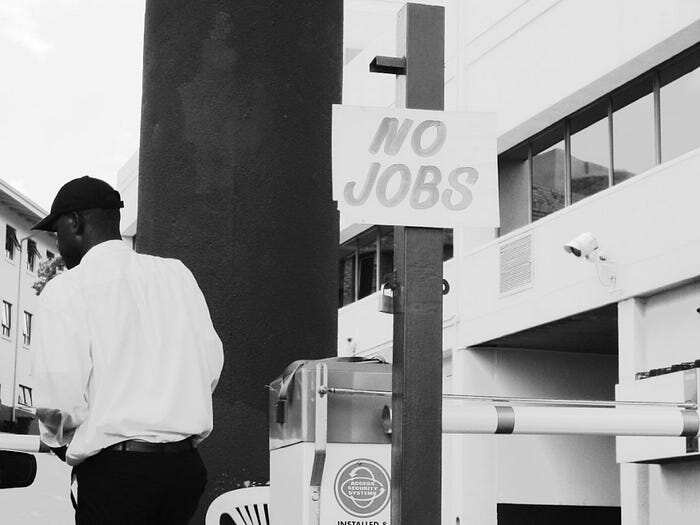
The Crimes We Forgive and the Ones We Don’t
Not all offences are treated equally in the public imagination.
Some crimes are framed as mistakes. Others are framed as moral failures. The difference often has less to do with harm and more to do with who committed the offence, how they are portrayed, and whether they fit the image of someone who deserves sympathy.
Get Evie Tucker’s stories in your inbox
Join Medium for free to get updates from this writer.
Subscribe
Subscribe
White-collar crime is often softened by language. Violent or street-level crime is rarely afforded the same nuance. The line between forgivable and unforgivable is shaped by perception, not principle.
Rehabilitation Sounds Good Until It Feels Personal
In the scheme of things, rehabilitation has plenty of backing. When proximity affects something, it actually becomes uncomfortable.
When someone with a criminal record becomes a co-worker, neighbour, or teacher, people may be in favour of reform but hesitate. When second chances transition from theory to reality, support diminishes.
This conflict highlights the difference between what society says it values and what it will put up with.
What the Law Tries to Do and What Society Resists

The criminal justice system is beginning to acknowledge that punishment is insufficient to prevent recidivism. Opportunity, stability, support, and education are important.
However, society cannot be forced to accept reintegration by the law. Social stigma is still one of the biggest barriers to change, even though it can reduce sentences, remove barriers, and promote rehabilitation.
Second chances are only theoretical in the absence of acceptance.
Why This Question Matters
Denying second chances does not make society safer. It often does the opposite.
When people are excluded from employment, housing, and community, the conditions that contribute to crime are reinforced. A system that permanently punishes past behaviour leaves little incentive for transformation.
Believing in second chances is not about excusing harm. It is about recognising that people are more than their worst decisions and that justice should allow space for growth.
Rethinking What Justice Is For
If justice is only about punishment, then change becomes irrelevant. If justice includes the possibility of rehabilitation, then second chances are not generosity. They are necessity.
The real question is not whether people can change.
It is whether we are willing to let them.
Because a justice system that refuses second chances is not protecting the future.
It is trapping people in the past.