Leading Women Summit: Interview With Forbes Africa and Forbes Woman Africa Managing Editor, Renuka Methil
StartUp Magazine | 26.02.2026 14:30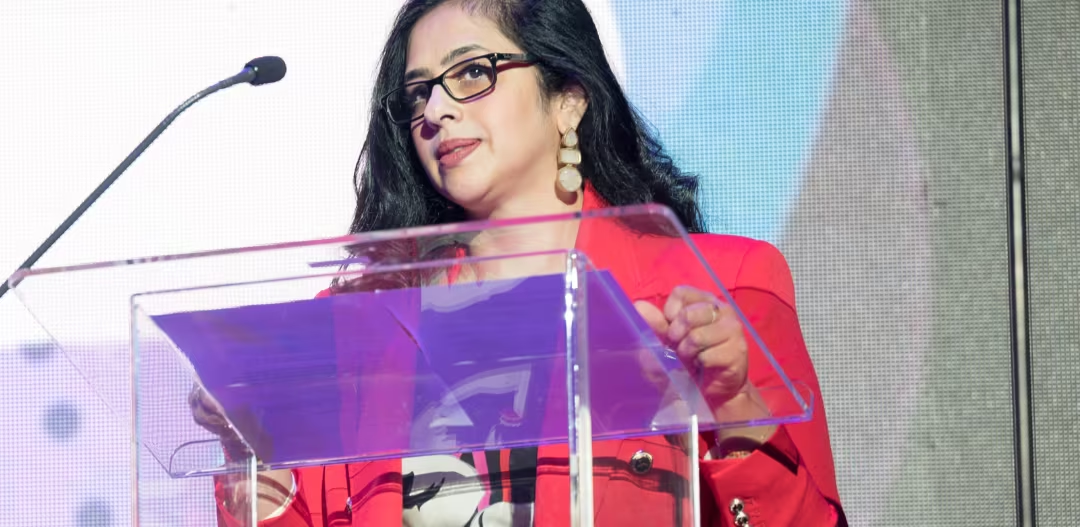
Leading Women Summit: Interview With Forbes Africa and Forbes Woman Africa Managing Editor, Renuka Methil. As anticipation builds for the 2026 Leading Women Summit, Renuka Methil, Managing Editor of Forbes Africa and Forbes Woman Africa, offers insight into the vision shaping one of the continent’s most influential gatherings of women leaders. In this conversation, she reflects on the summit’s theme, growth, and strategic focus, unpacking how it captures a defining shift in Africa’s leadership landscape. From enterprise building and policy influence to storytelling and measurable impact, Methil explains how the platform is evolving alongside the women driving economic transformation across the continent. Read all about it below!
What is the central theme of the 2026 summit, “The Voice, Vision, and Victories of Her Africa,” and how does it reflect the evolving role of women across the continent?
The 2026 theme reflects a defining moment for African women.
Voice represents agency — women shaping boardrooms, policy frameworks, capital allocation, and culture.
Vision speaks to long-term institution building — women designing ecosystems, not just businesses.
Victories celebrates measurable outcomes — scaled enterprises, regulatory influence, job creation, and generational wealth.
Across the continent, women are moving from participation to ownership. The theme captures that evolution — from presence to power.
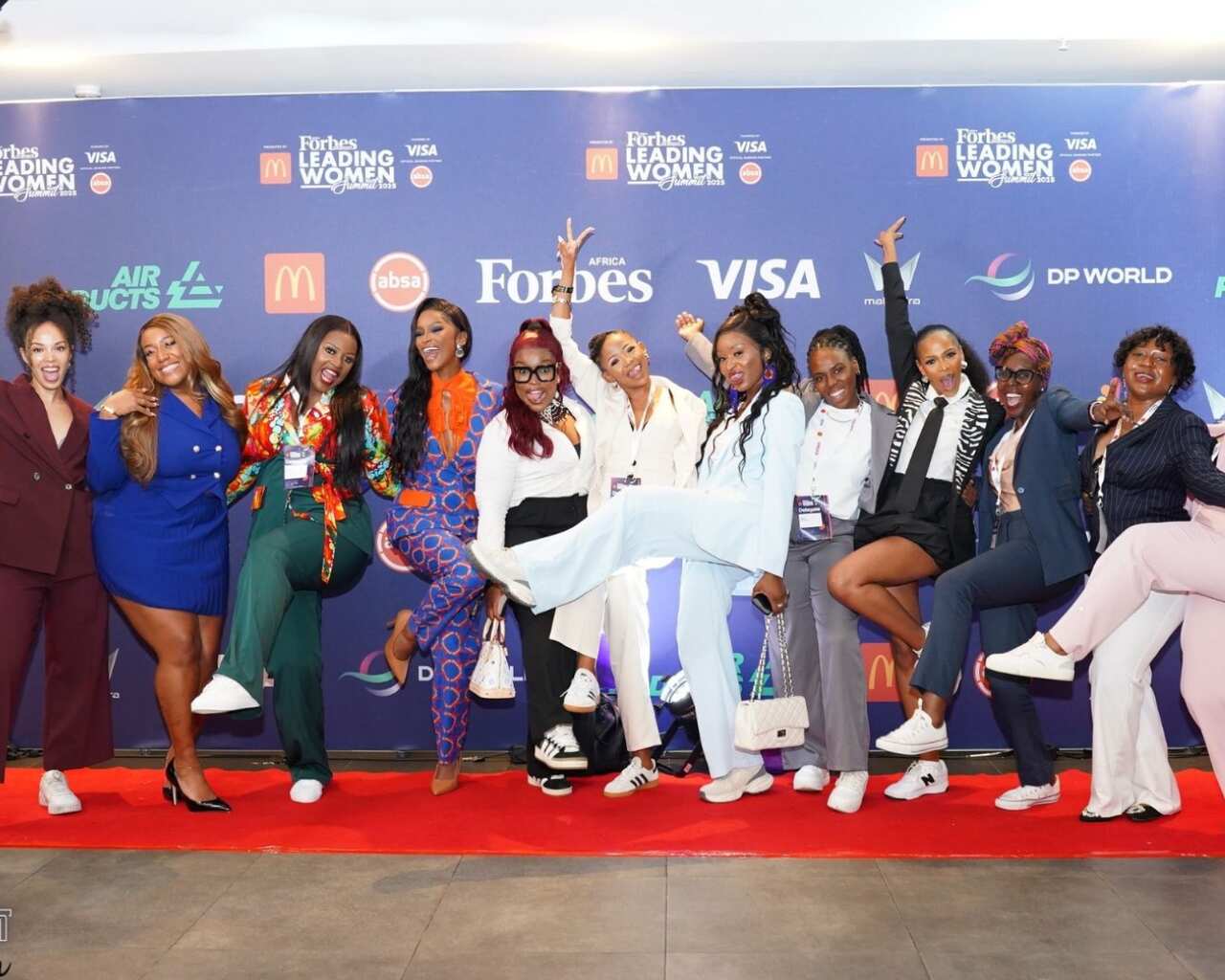
The summit began as a gathering of 100 women and now attracts more than 1,000 attendees. What has driven this growth?
The growth mirrors the rise of African women in leadership.
Over the past decade, more women have entered entrepreneurship, executive leadership, venture capital, and policy-making. With that expansion came the need for a credible platform that convenes decision-makers at scale.
FORBES AFRICA has built trust over 11 years — in its storytelling, its vetting processes, and its ability to convene leaders who are shaping the continent’s economic trajectory.
The summit has evolved from a gathering into a strategic networking environment where partnerships are formed and capital conversations happen in real time.
Sandton is often referred to as “Africa’s richest square mile.” What is the symbolic significance of hosting the summit there?
Hosting the summit at the Sandton Convention Centre is intentional.
Sandton represents capital, influence, and economic power. Bringing more than 1,000 women leaders into that space reinforces a powerful message: African women are not on the margins of economic transformation — they are central to it.
It is both symbolic and strategic positioning.
You mentioned witnessing a “structural shift” in who builds enterprise and shapes regulatory conversations. What does that look like in practice?
The shift is tangible.
We are seeing more women founding high-growth startups, launching investment vehicles, and influencing regulatory frameworks in sectors such as fintech, AI, sustainability, and trade.
This is no longer about representation alone. It is about structural participation — women influencing how capital is deployed, how policy is shaped, and how industries are governed.
The 2026 programme spans AI, sustainability, policy, and mental health. How were these focus areas selected?
The programme reflects the forces shaping Africa’s next decade.
AI will redefine productivity and innovation. Sustainability is an economic necessity. Policy determines who scales and who stalls. Mental health ensures that leadership remains sustainable.
The focus areas are both globally relevant and deeply contextual to the continent’s realities.
This year’s speaker line-up spans business, fashion, technology, sport, and the creative industries. What guided your curation?
Our guiding principle has always been the editorial lens of FORBES AFRICA.
The magazine has consistently reflected the breadth of Africa’s economic story — from boardrooms and capital markets to cultural influence, innovation labs, and creative industries. The summit mirrors that same cross-sector narrative.
Economic power today is not confined to one industry. It exists in business, sport, technology, fashion, and the arts — and our curation reflects that reality.
Each speaker is selected through the same framework that informs our pages: measurable impact, strategic influence, and a proven ability to shape the continent’s trajectory. Diversity is not symbolic — it is editorially aligned with how FORBES AFRICA documents and defines leadership across the continent.
What can attendees expect from the ‘Over 30 Under 50’ segment, and why is this demographic significant?
The ‘Over 30 Under 50’ segment, aligned with the third annual list by FORBES AFRICA, highlights women in their most economically productive decades.
Women in their 30s and 40s are scaling businesses, managing capital, influencing boards, and building legacy. This life stage represents the intersection of ambition, experience, and accelerated impact.
Attendees can expect rigorously vetted profiles and powerful stories of calculated risk and decisive leadership.
The Spotlight segment is described as emotive and personal. Why is storytelling central to the summit?
Data informs. Storytelling mobilises.
The Spotlight segment humanises leadership. It explores the pivots, resilience, and unseen labour behind success.
When audiences connect emotionally to a story, it shifts inspiration into action. That transformation is essential.
How do the Forbes Woman Africa Awards define “measurable achievement”?
“Measurable” means verifiable impact.
We assess revenue growth, market expansion, job creation, policy influence, innovation milestones, and social or environmental outcomes.
Recognition is grounded in performance and outcomes that tangibly shift industries or communities.
What long-term impact do you hope the 2026 summit will have on Africa’s entrepreneurial and investment ecosystem?
The ambition is ecosystem change.
We want to see more women accessing capital, more women serving on investment committees, and more scalable enterprises emerging across the continent.
If partnerships, funding rounds, policy shifts, and cross-border collaborations can be traced back to conversations sparked at #LWS2026, then the summit has fulfilled its purpose.
The goal is not a moment — it is momentum.