Principals can earn R1.3-million while 27,000 posts sit vacant
Scrolla | 06.09.2026 17:48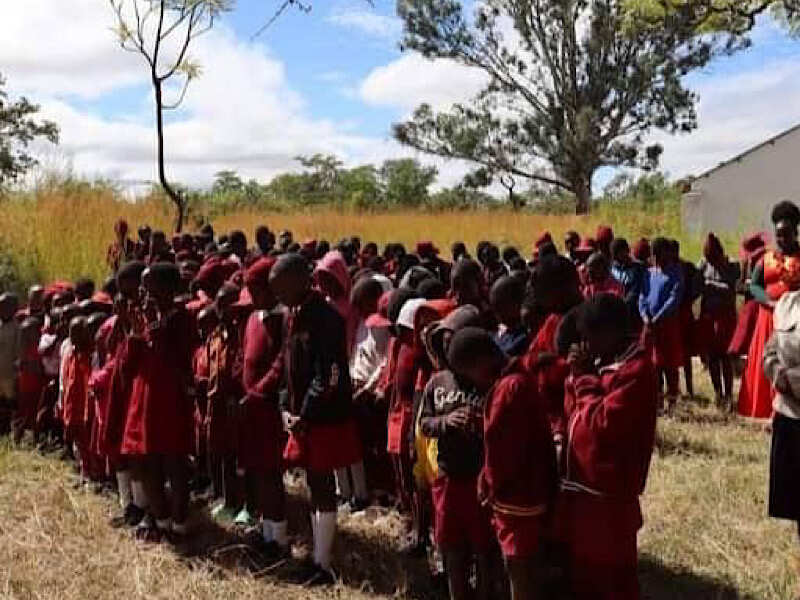
By Palesa Matlala
Minenhle Ncube* studied to become a teacher because she dreamed of working in a classroom, helping children learn and building a better future for herself.
But today, instead of preparing lessons and teaching pupils, the 28-year-old qualified teacher from Soweto spends her days doing nails at her friend’s beauty salon because she has been unable to find a permanent teaching job.
After qualifying, Ncube worked as a teacher’s assistant from 2020 to 2023, giving her the chance to work inside a school and experience the career she had chosen.
But the opportunity never led to a permanent teaching post and, when it ended, she was back to looking for work and hoping that another school would give her a chance.
That chance never came.
After years of searching, waiting and being disappointed, Ncube has now stopped looking for teaching work because she no longer believes that another application will change her situation.
She feels let down by the government and an education system she believed would have space for qualified young teachers like her.
Ncube still needs to make a living, so she now works as a nail technician at her friend’s beauty salon, earning an income from a completely different skill while the teaching qualification she worked for remains unused.
Doing nails is honest work, but it is not the future Ncube imagined when she studied to become a teacher.
Her struggle is even harder to understand when thousands of teaching posts across South Africa are officially recorded as vacant, 27,092 posts but still no job for Ncube
South Africa had 27,092 educator posts recorded as vacant on 30 June 2026, according to figures revealed by Basic Education Minister Siviwe Gwarube in a parliamentary reply to Patriotic Alliance Member of Parliament Ashley Sauls.
Government figures showed that the national educator vacancy rate stood at 7%.
For Ncube, those numbers tell a painful story because she has a teaching qualification and school experience, yet she remains outside the profession while thousands of posts are recorded as vacant.
Gauteng, where Ncube lives, had 3,994 vacant educator posts, while the Eastern Cape recorded the highest number with 5,730 and KwaZulu-Natal followed with 4,700.
The Western Cape had 3,562 vacancies, Limpopo had 3,097, North West had 2,346, Mpumalanga recorded 1,866, the Northern Cape had 1,521 and the Free State recorded 276.
But the figures do not mean there are 27,092 empty classrooms waiting for unemployed teachers to start working.
Gwarube explained that provinces can use temporary teachers or people acting in positions while permanent posts remain recorded as vacant.
“Provincial Education Departments may, where appropriate, use temporary or acting arrangements pending the filling of substantive vacancies,” she said.
“Accordingly, the existence of a recorded substantive vacancy does not necessarily mean that the relevant class or function is unattended.”
Getting a permanent teaching job also depends on whether a post has funding, whether an applicant meets the requirements and whether the recruitment process has been completed.
For unemployed teachers such as Ncube, however, those explanations do not make the disappointment any easier because they still see thousands of vacancies while struggling to find permanent work.
Ncube spent three years working as a teacher’s assistant, hoping the experience would eventually help her secure a permanent position and begin the career she had studied for.
Instead, when the job ended in 2023, she found herself back where she started and searching for another opportunity.
As time passed without a permanent teaching job, her hope slowly turned into frustration and disappointment until she finally decided to stop looking.
Giving up on her search was never part of Ncube’s plan, but she feels that government and the education system have failed qualified teachers who are ready to work but cannot find permanent posts.
She still has bills to pay and a future to build, which is why working at her friend’s beauty salon has become important to her.
The salon gives her a way to earn money, but every day she works there is also a reminder that the teaching career she prepared for has never properly started.
Her story raises a simple but painful question: what happens to young people who study, qualify and prepare themselves for a career, only to discover that there is no job waiting for them?
The latest public school educator salaries took effect on 1 April 2026, with an entry-level teacher earning R169,707 a year, or about R14,142 a month before deductions.
Teachers can earn more as they gain experience, improve their qualifications and move into senior positions.
Teachers in Relative Education Qualification Value levels 14 to 17 can earn between R366,051 and R794,151 a year, while a Senior Teacher at level 13 can earn between R431,640 and R600,504.
A Master Teacher at levels 14 to 17 can earn between R505,302 and R794,151, while educators who move into school management can earn much more.
Departmental heads can earn up to R1,094,826 a year and deputy principals can earn up to R1,183,578.
A principal at the highest level can earn as much as R1,326,822 a year, which works out to about R110,569 a month before deductions, although the actual salary depends on the post level and salary notch.
For Ncube, however, reaching the top of the salary ladder is not something she can think about when she is still struggling to get onto the first step.
Another 2,654 educator posts were listed as “Frozen” on government’s Personnel and Salary Administration System at the end of June.
Gwarube said this does not mean that all those positions were deliberately frozen because government did not have enough money.
The department also said it did not yet have enough information from provinces to give a complete national figure showing how many vacancies had been frozen specifically because of budget problems.
The numbers may explain some of the problems inside the education system, but behind every statistic are real people whose lives are affected by whether they can find work.
Ncube is one of them.
At 28, she has a teaching qualification and three years of experience as a teacher’s assistant, but she still does not have a permanent classroom of her own.
Today, she sits in a beauty salon in Soweto doing clients’ nails and earning an honest living, while the qualification she hoped would build her future remains unused.
South Africa’s teacher vacancy problem can easily become a story about 27,092 vacancies, 2,654 frozen posts and a 7% vacancy rate, but Ncube’s experience shows the human pain behind those numbers.
For her, it is about studying for a career, dreaming of standing in front of her own class and then watching that dream slowly disappear as one year passes after another without a permanent job.
Ncube did not give up because she did not qualify or because she did not want to teach.
She gave up looking because, after years of waiting for an opportunity, she no longer believes the education system will give her one.
Pictured above: Teachers and pupils at a South African public school.
Image source: Supplied.