ANC rallies behind Gana in Phala Phala chair vote
Explain | 02.06.2026 23:13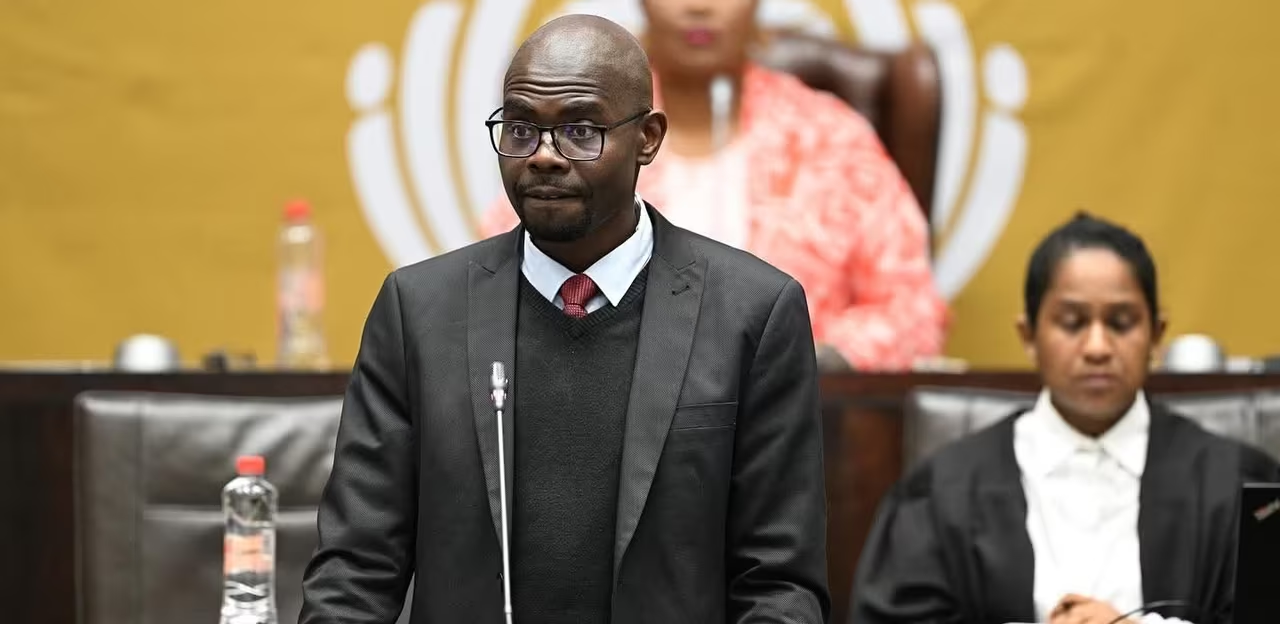
The Phala-Phala impeachment committee finally has a chairperson and, because this is South African politics, even getting to that point came with plot twists.
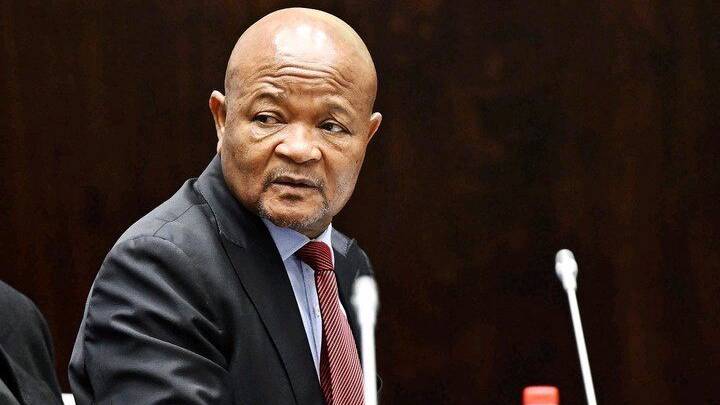
Rise Mzansi MP Makashule Gana was elected on Monday to lead the committee, which will consider allegations against President Cyril Ramaphosa linked to the 2020 burglary at his Phala Phala farm. Gana beat United Africans Transformation leader Wonderboy Mahlatsi by 19 votes to 12.
The vote followed weeks of lobbying. The ANC had initially pushed for one of its own, whereas the “progressive caucus”, including the EFF, MK Party, ATM, and UAT, wanted someone outside the government of national unity. Build One South Africa leader Mmusi Maimane also reportedly fancied himself for the job.
On his part, Gana said his election was only the beginning of the committee’s work. And he is right: after weeks of political manoeuvring over who would lead the process, the actual work of testing the Phala Phala allegations is only now getting under way.
Phala Phala has been in and out of the headlines for years, so if the details are a little blurry, here’s a quick catch-up.
The robbery of money hidden in a couch in Ramaphosa’s game farm is back because the Constitutional Court ruled in May that Parliament had acted unlawfully when it blocked an impeachment inquiry into Ramaphosa in 2022. That vote had rejected the section 89 panel report, which found preliminary evidence that Ramaphosa may have a case to answer over his handling of the 2020 robbery at his Phala Phala farm.
That robbery involved $580 000 in cash, which Ramaphosa says came from the sale of buffaloes. The money was allegedly stolen from furniture on the farm, raising questions about why so much foreign currency was kept there and how the theft was handled. Ramaphosa has denied wrongdoing.
The EFF and ATM took Parliament’s 2022 vote to the Constitutional Court in 2024. After the ruling, Parliament moved to establish a 31-member impeachment committee to review the matter again.
But Ramaphosa has also gone back to court. He has filed papers in the Western Cape High Court seeking to have the section 89 panel report reviewed, declared unlawful, and set aside. He has also warned that if Parliament pushes ahead before that challenge is resolved, he may seek an urgent interdict: basically, a court order to pause the process.
So yes, Phala Phala is still with us. Not because anyone enjoys revisiting this 2020 furniture-storage drama, but because the legal and parliamentary processes are very much still alive.
Now, back to the chairperson vote and the political chess behind it. /explain/ asked political analysts Professor Susan Booysen, the director of research at the Mapungubwe Institute of Strategic Reflection, and the University of KwaZulu-Natal’s Zakhele Ndlovu to help to unpack what happened.
Political analyst Ndlovu says a committee chair works a bit like a speaker: they enforce the rules, keep members in line, and help to steer the process when things get stuck.
According to Booysen, the ANC’s decision not to nominate one of its own was strategic. By backing Rise Mzansi’s Gana, the party avoided splitting the vote and helped block a candidate backed by the EFF and MK Party from taking charge.
Ndlovu agreed, saying the ANC had likely realised it would not get support for anyone in black, green, and gold to chair the committee. Backing Gana, he said, was the safer play.
Booysen said Gana is a strong choice because Rise Mzansi sits on the edges of the government of national unity: close enough to work with the ANC, but not tied to it through cabinet posts. That gives him some political breathing room.
The DA also stayed out of the chairperson race. Booysen said this made sense because the party would want to engage fully in the committee’s work.Ndlovu added that parties like the DA and IFP may have been seen as too close to the ANC to appear neutral.
Both analysts said the chairperson role comes with a big spotlight, which may explain why Maimane wanted it. Booysen suggested his vote against Gana may have been personal after he failed to land the nomination.
Ndlovu was blunter: Maimane may have looked too desperate. “Desperation is unattractive,” he said.
As for Gana, Booysen described him as articulate, considered, and experienced in parliamentary work, useful traits for a committee that is likely to be anything but calm.
The impeachment committee is moving ahead, even as Ramaphosa challenges the report that led to its creation.
Legal expert Dr Llewelyn Curlewis told /explain/ that Ramaphosa’s review application could take months. The court will have to work through the report in detail, including whether the evidence was strong enough to justify an impeachment.
The report found prima-facie evidence against Ramaphosa. That means there appeared to be enough evidence, at first glance, for Parliament to take the matter further, not that he had been found guilty.
“If the court finds it flawed, it will set it aside. However, if it does not, proceedings will continue,” Curlewis said.
He said the review could take three to four months, but may even stretch beyond the end of the year. Ramaphosa’s position as president would not automatically push the case ahead of others.
There is another possible twist: Ramaphosa could still seek an urgent interdict to pause the committee’s work. That would be a separate, faster court process. But, for now, no interdict has been filed.
So, yes, Phala Phala is back in the political group chat – and it’s likely to stay there for a while.
Prashalan Govender is a journalist who was shortlisted for the Vodacom Young Journalist of the Year Award twice. He is focused on reporting the stories that shape everyday life in South Africa, with a particular interest in politics, economics, and social issues.