30 June came and went. The problems behind it did not.
Explain | 01.07.2026 15:29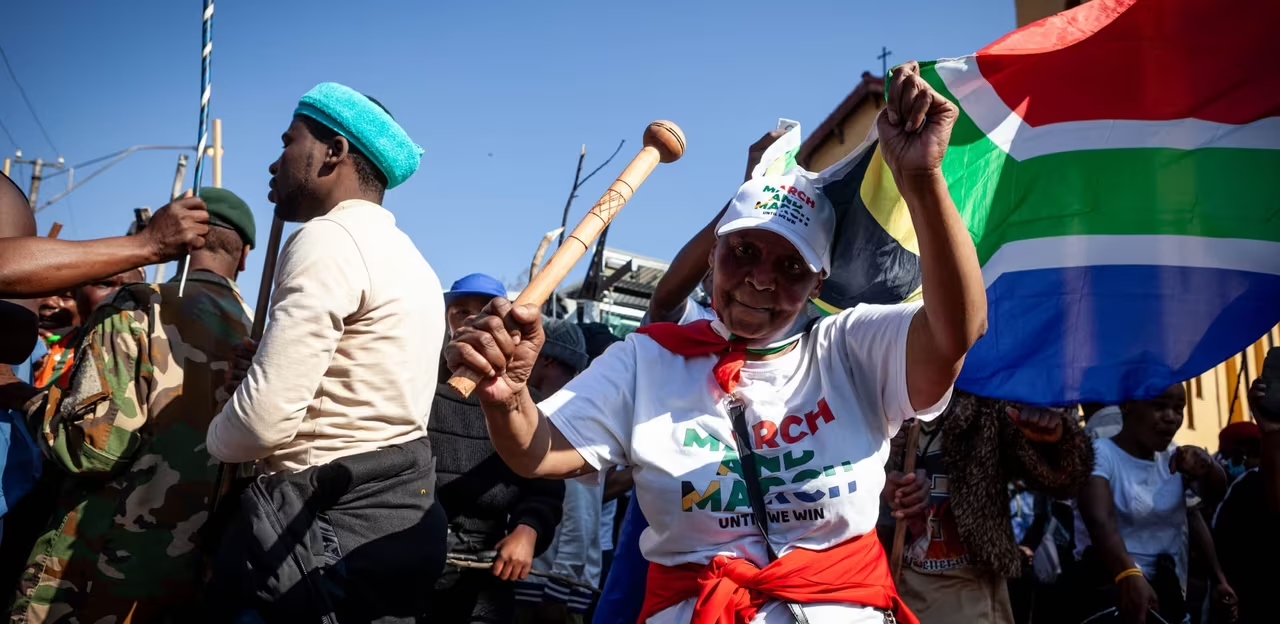
South Africa spent 30 June waiting for catastrophe. It never really arrived.
For weeks, the country had been told to brace for possible unrest. March and March, the anti-immigration movement founded in KwaZulu-Natal in 2025 by former Durban radio host Jacinta Ngobese-Zuma, had called on undocumented migrants to leave South Africa by 30 June. It warned of a national shutdown if the state did not act.
By mid-morning, March and March itself were clarifying that this was “a protest, not a shutdown”. In most places, the day was tense but largely orderly. Cape Town reported business as usual. Durban’s central march handed over a memorandum and dispersed. Smaller towns stayed mostly quiet. The state treated the day as an ordinary working day, deployed police, and warned that violence would not be tolerated.
By evening, acting police minister Firoz Cachalia called it “a good day”.
/explain/ spent the day in Gauteng, where the Alexandra march largely reflected that picture. Thousands of people walked behind banners to the police station, handed over a memorandum, and dispersed. There were more police than trouble.
For a few hours, the country’s biggest anti-foreigner mobilisation in recent memory looked like an ordinary, lawful protest. Then the crowd thinned, and parts of the inner city grew more volatile.
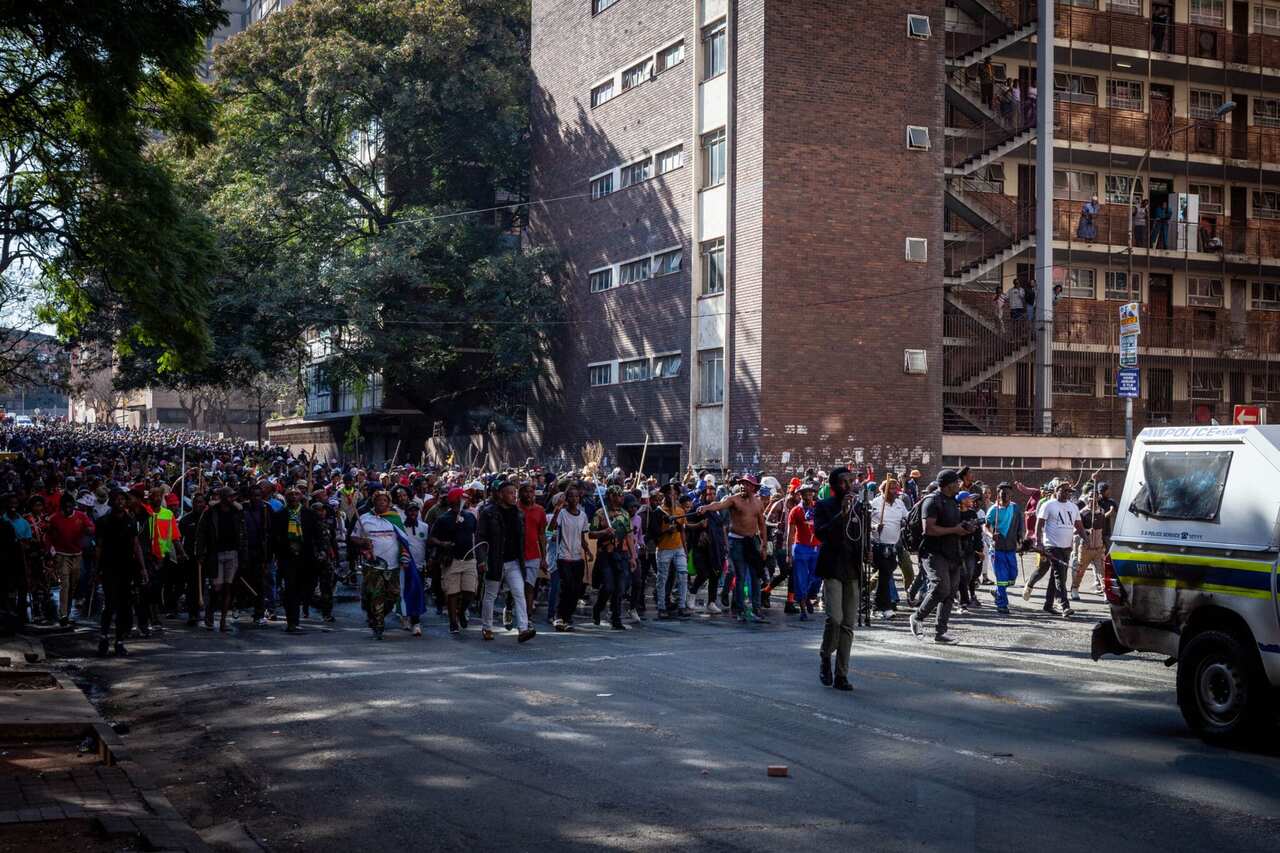
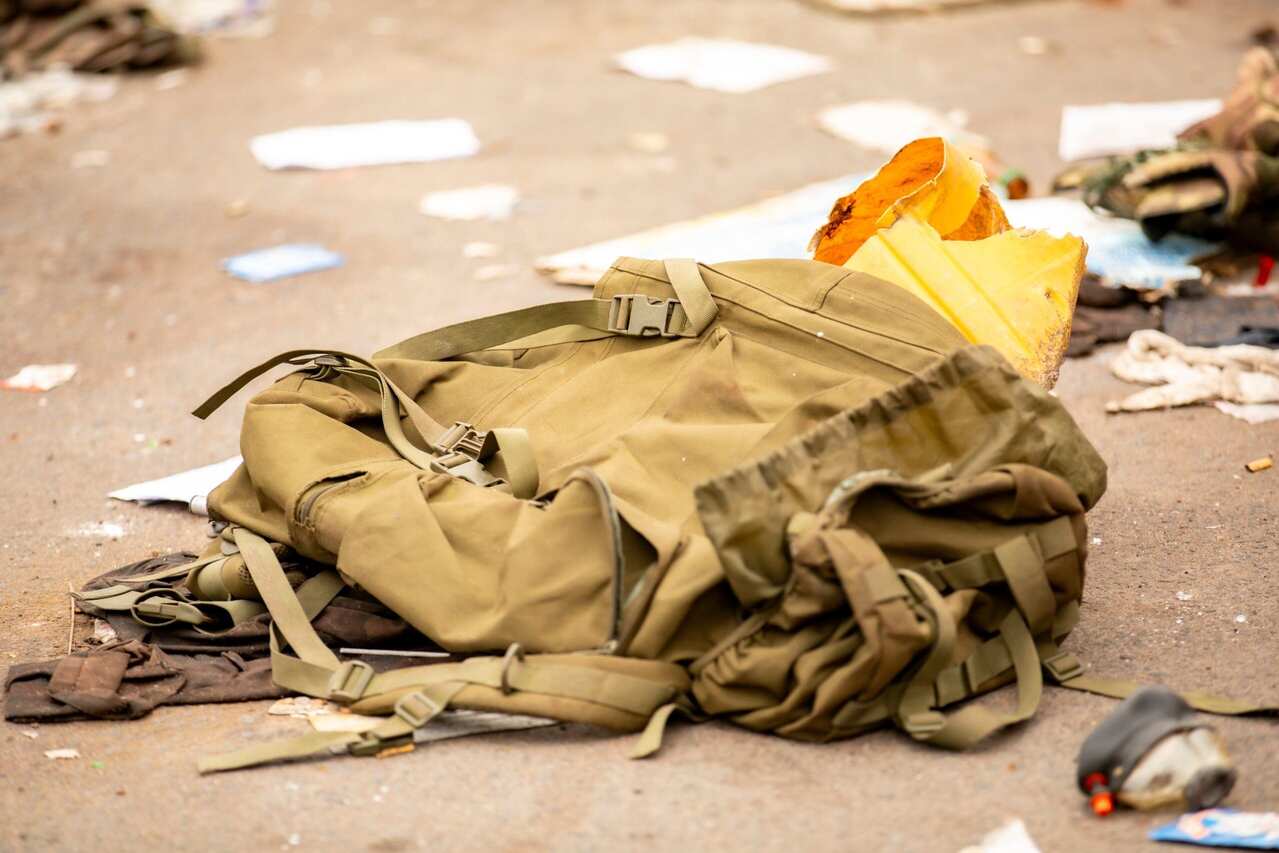
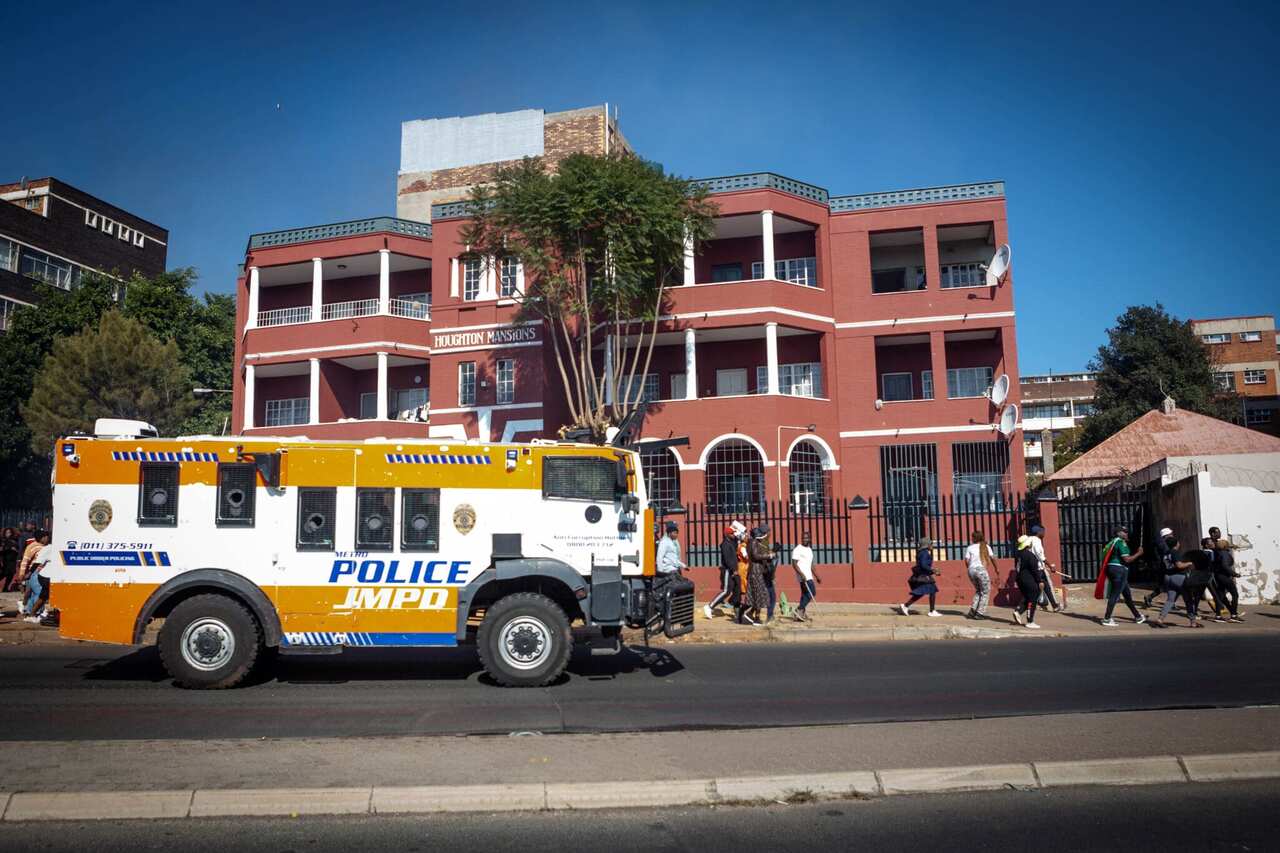
In Hillbrow, smaller breakaway groups formed after the main march had wound down. The violence that did happen was sporadic and concentrated: stone-throwing at police and suspected foreign nationals in Thembisa, a shooting in Hillbrow that wounded two people, belongings of homeless people set alight, and foreign-owned spaza shops looted in some areas.
Separated from the main group, /explain/ editorial’s photographer was assaulted by a small breakaway group linked to the March and March protest. He was one of two journalists targeted during the day.
When /explain/ rejoined the main body of the protest, the march had become orderly again. That was 30 June in miniature: a mostly lawful protest, a violent hour in parts of the city, and a country that avoided the disaster many feared.
On 19 June, during a March and March procession in Pietermaritzburg, 29-year-old Malawian national Mishack Banda was stoned to death after a rumour spread through the crowd. In late May, in Mossel Bay, dozens of shacks were torched, and Mozambique said several of its citizens had been killed.
South Africa is home to about 2.4 million foreign-born people, less than 4% of the population. That is nowhere near the “15 million” figure that keeps circulating in political speeches and social media posts.
What South Africa does have is an unemployment rate of 32.7%, youth unemployment near 60%, deep inequality, failing services, and communities that feel abandoned.
Migration scholar Loren Landau, from Wits University, has put it plainly: politics likes a single villain. Foreign nationals are a convenient target because the actual problems of no jobs, no housing, broken water systems, poor policing, weak municipalities are much harder to solve.
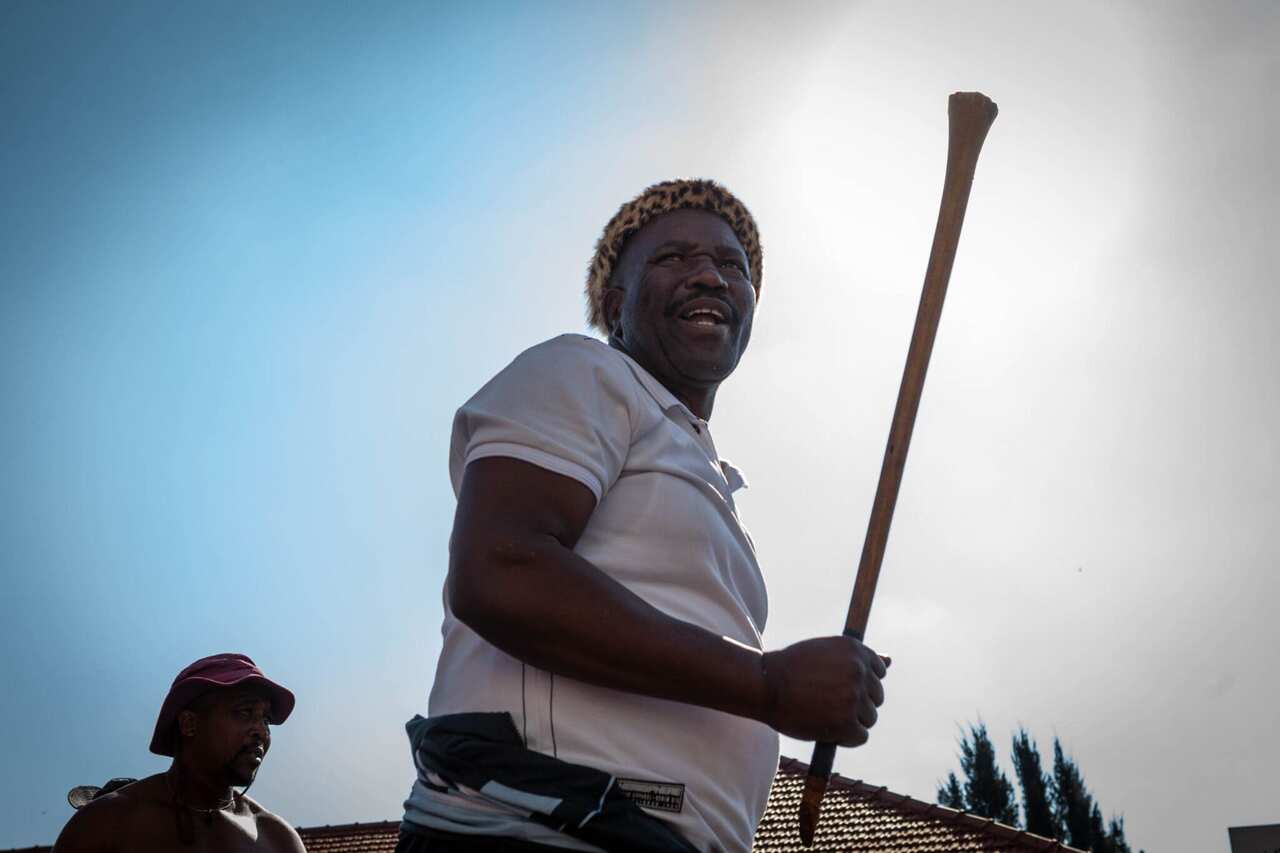
March and March has supplied the street pressure. Operation Dudula, once known mainly as a vigilante movement, is now a registered political party contesting the 4 November local government elections. Other parties, including ActionSA and the Patriotic Alliance, have also made tough immigration positions part of their political pitch.
That does not mean every person who marched is violent or xenophobic. Many South Africans are genuinely frustrated about crime, unemployment, border control and weak government enforcement.
But when politicians and movements reduce those failures to one message: foreigners are the problem, the danger becomes obvious.
The state’s response on 30 June helped prevent something worse. Police were visible. They moved early. They appeared to have learned lessons from the July 2021 unrest, when more than 350 people died.
The country survived 30 June. But the conditions that made the day possible are still here, and unless South Africa starts talking seriously about jobs, housing, water, electricity, policing and dignity, 30 June will not be the end of anything.
Yeshiel Panchia is an investigative journalist and producer with a focus on transnational crime, politics and data journalism. His bylines include BBC Africa Eye, Al-Jazeera English, Daily Maverick, News24 and his photojournalism can be found on the Associated Press, Agency-France Press, European Pressphoto Agency and Xinhua. He is based in Johannesburg.