'Remember that right is always right' and other unwritten rules for visiting India
BBC | 28.11.2026 16:00
A nod of the head that doesn't mean yes. A stranger who wants to know why you're not married. A shopkeeper who expects you to negotiate rather than pay the asking price.
For first-time visitors to India, everyday encounters can be surprisingly difficult to navigate. But what might seem baffling at first often makes more sense once you understand the cultural customs behind it.
Meghalaya, India, is one of BBC Travel's best places to visit 2027 – read more here.
Of course, in a country as vast and diverse as India, there's no single set of social rules – customs can vary enormously between regions, communities and generations. But many everyday conventions are rooted in ideas of respect, hospitality and tradition. Knowing a little about them can help travellers avoid awkward misunderstandings and better connect with the people they meet.
Here are seven things that might catch you out – and how to handle them.
1. The right hand is always right
Whether you are picking up food from a plate, accepting or offering something or even simply passing on an object, remember that right is always right. In Indian culture, the left hand is seen as dirty, even impure, stemming from the common practice of using it for toilet-related ablutions. And even while much of urban India has moved onto bidets and toilet paper, the left hand is still considered ashubh or inauspicious, making it safer to use the right hand in almost every social interaction.
But there's more to the custom than hygiene. In Hindu scriptures, outward cleanliness – expressed through washing and bathing – is closely associated with internal purity.
Of course there are exceptions, but this is one etiquette rule worth keeping in your back pocket. Or rather, your right hand.
2. Don't be surprised when things get personal
"Are you married? No? Why?" "How many children do you have?" "What, no kids? Why not?"
In India, small talk can get surprisingly personal, surprisingly quickly. Questions that might raise eyebrows elsewhere can simply be a way of striking up a conversation. Complete strangers may walk up to you and ask how much you earn or why you are still single. While it might feel intrusive, the intention is often friendly curiosity rather than offence.
Traditionally, Indians have lived in large, multigenerational joint families, where relatives are closely involved in one another's lives and personal matters are openly discussed. And even outside family circles, Indian society tends to be community-oriented rather than individual-focused, so no topic is really out of bounds for open discussion.
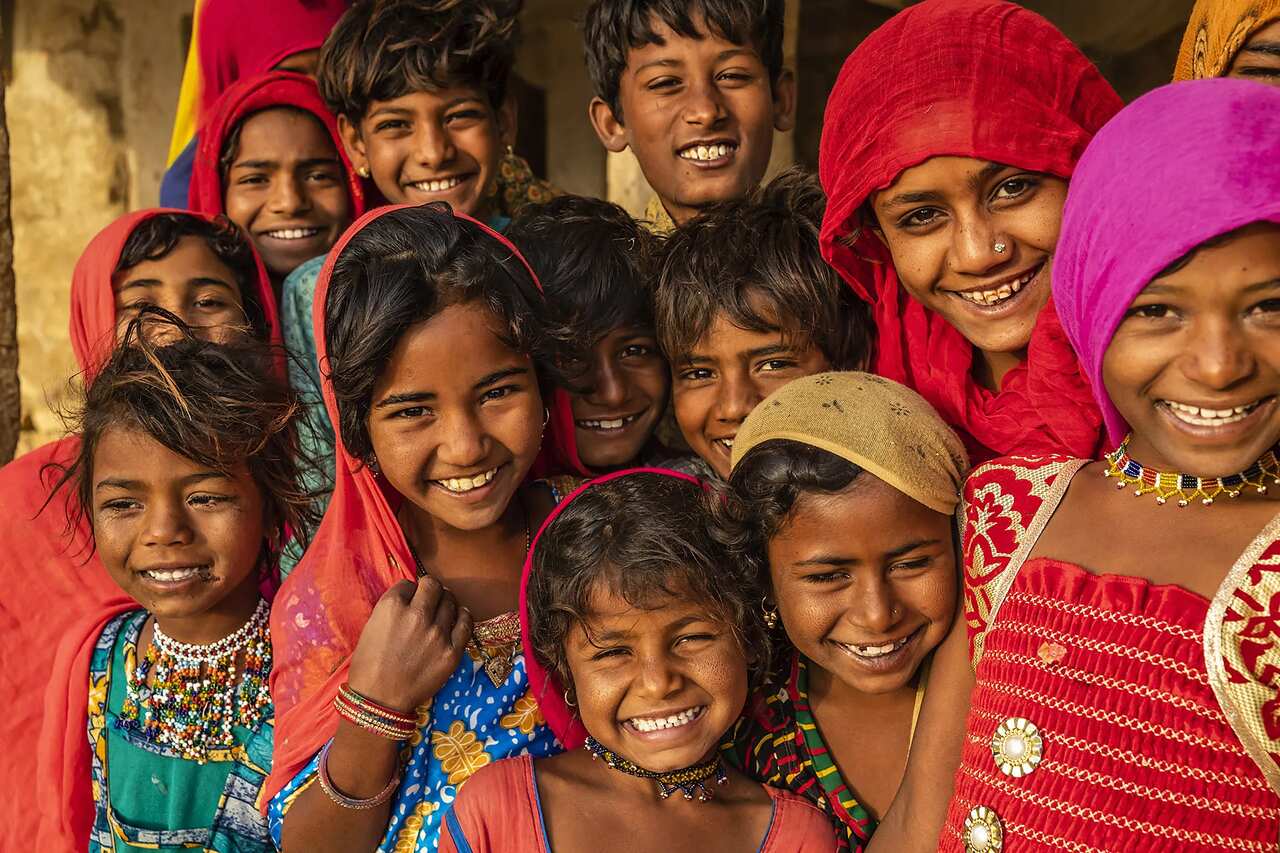
Of course, you're under no obligation to reveal your life story; if you do want to sidestep the questions, a joke, smile or gently change of subject will usually do the trick. And don't be surprised if the same stranger who has just quizzed you about your job invites you home for chai. That curiosity can also be an expression of the warmth and hospitality for which India is famous.
3. Don't mistake the head wobble for a yes
It's not exactly a nod (yes). It's not a shake either (no). It's a fluid side-to-side, up-and-down movement of the head, and if you didn't know better, you would think the other person was trying to gently ease a crick in the neck. Welcome to the Indian head nod.
The Indian head nod is one of the country's most distinctive gestures, but it can also be the stuff of nightmares if you interpret it as a definite yes without confirming. It can mean anything from agreement to acknowledgement to uncertainty. Sometimes, the wobbler is simply buying time, unwilling to say no directly for fear of upsetting or offending the other person. This reluctance can stem from a cultural emphasis on politeness and respect for hierarchy, particularly towards elders and those in positions of authority.
When encountered with a head wobble, it is best to ask for clarification. Or more to the point, "is that a yes?" And be warned: this gesture is contagious. By the time you leave India, you will likely find your own head moving in ways it has never moved before.
4. Leave your shoes at the door
Before entering an Indian home, look down. If there's a collection of shoes by the entrance, that's your cue to slip yours off, too.

Across the country, there is clear demarcation between outside (public) and inside (private) spaces, and this line is often defined by footwear, or lack thereof. Leaving your shoes at the threshold isn't just about keeping the dirt and grime of the outside world behind. It's also about maintaining the purity and sanctity of the inner space.
This is particularly important at Hindu temples, where worshippers remove their shoes before entering, often sitting, kneeling or prostrating on the floor to pray. And in many homes, particularly in smaller towns and rural areas, sitting on the floor for meals is still common, making it even more important to keep outside dirt at the door.
A good rule of thumb: wherever you go in India, be sure to wear shoes you can slip off without a wrestling match.
5. Bargaining is an art, not an argument
"You are looting me!" Venture into an Indian bazaar and you're likely to hear this accusation from both buyer and seller. There's head shaking, expressions of outrage and mock threats to end the transaction and walk away. And then they meet halfway, with both parties declaring that they've been cheated (while inwardly smirking at the win).
The trick is to not feel defensive or apologetic. Start with a smile, a little humour and a counteroffer
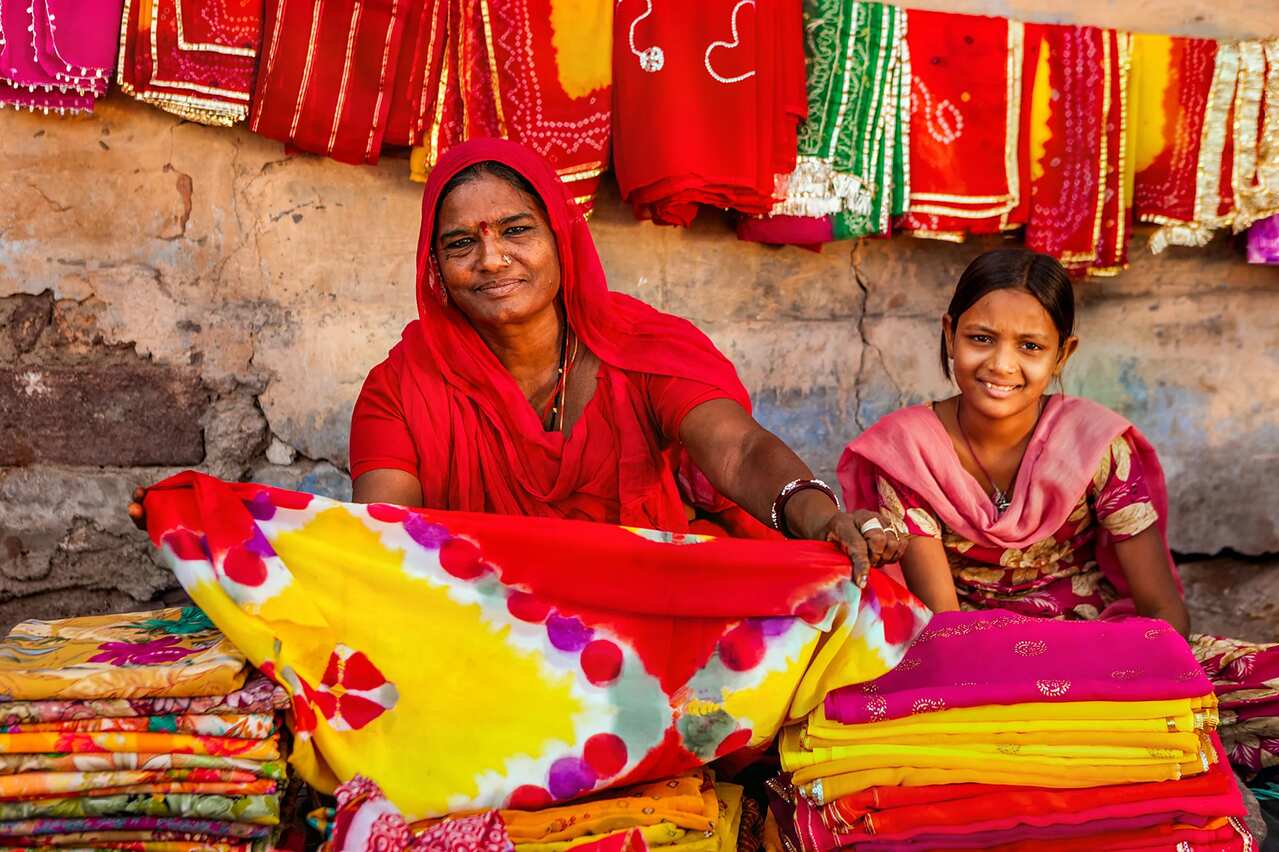
This back-and-forth bargaining is a timeless dance and an accepted – even expected – part of shopping at many Indian street markets and bazaars. It's also a chance for social interaction, the thrust and parry only making the shopping more enjoyable. For the buyer, the pleasure comes not just from the money saved, but from a sense of paisa vasool – a Hindi expression that means getting your money's worth. The seller, meanwhile, has made a sale and hopefully a little profit. Both have had fun.
The trick is to not feel defensive or apologetic. Start with a smile, a little humour and a counteroffer. My usual strategy is to begin around 25-30% below the quoted price and slowly work my way up, prepared to meet the seller midway. And while you can often request discounts in smaller shops, don't expect to haggle everywhere: supermarkets, department stores and fixed-price shops are generally a different story.
6. A little formality goes a long way
There's an amusing, if apocryphal, story about two Indian noblemen from Lucknow who kept saying "pehle aap, pehle aap" ("you first, you first") to each other as they attempted to board a train. Neither would go ahead of the other, and the train eventually left without them. At least their manners were beyond reproach.
It's a tale that captures the importance of courtesy and respect, particularly towards elders and those in positions of authority – something that's reflected in everyday language.
More like this:
• The Indian way to 'maximise value'
• The best places to travel in 2027
• Cracking India’s mystifying 'nod code'
In Hindi, for example, there's a distinction between the respectful aap and the more familiar tum, both meaning "you". Adding "ji" to someone's name is another way of showing respect. And older acquaintances are often affectionately called uncle or aunty, whether they're relatives or not. It's a sign of closeness and affection.
Small gestures of deference can also go a long way, whether that's allowing someone older to go first or greeting someone with a respectful namaste, palms pressed together, rather than extending a hand to shake.
When in doubt, err on the side of politeness. Just don't miss your train.
7. Don't expect butter naan on every menu
The dishes you know from Indian restaurants back home are only a tiny part of India's culinary story.
Take breakfast. In the south Indian city of Chennai, where I come from, the first meal of the day might feature soft, steamed idli or crisp dosa with coconut chutney, accompanied by a cup of strong filter coffee. Travel north to Amritsar, however, and you're more likely to find buttery, flaky paratha stuffed with spicy potatoes or paneer, washed down with masala chai.
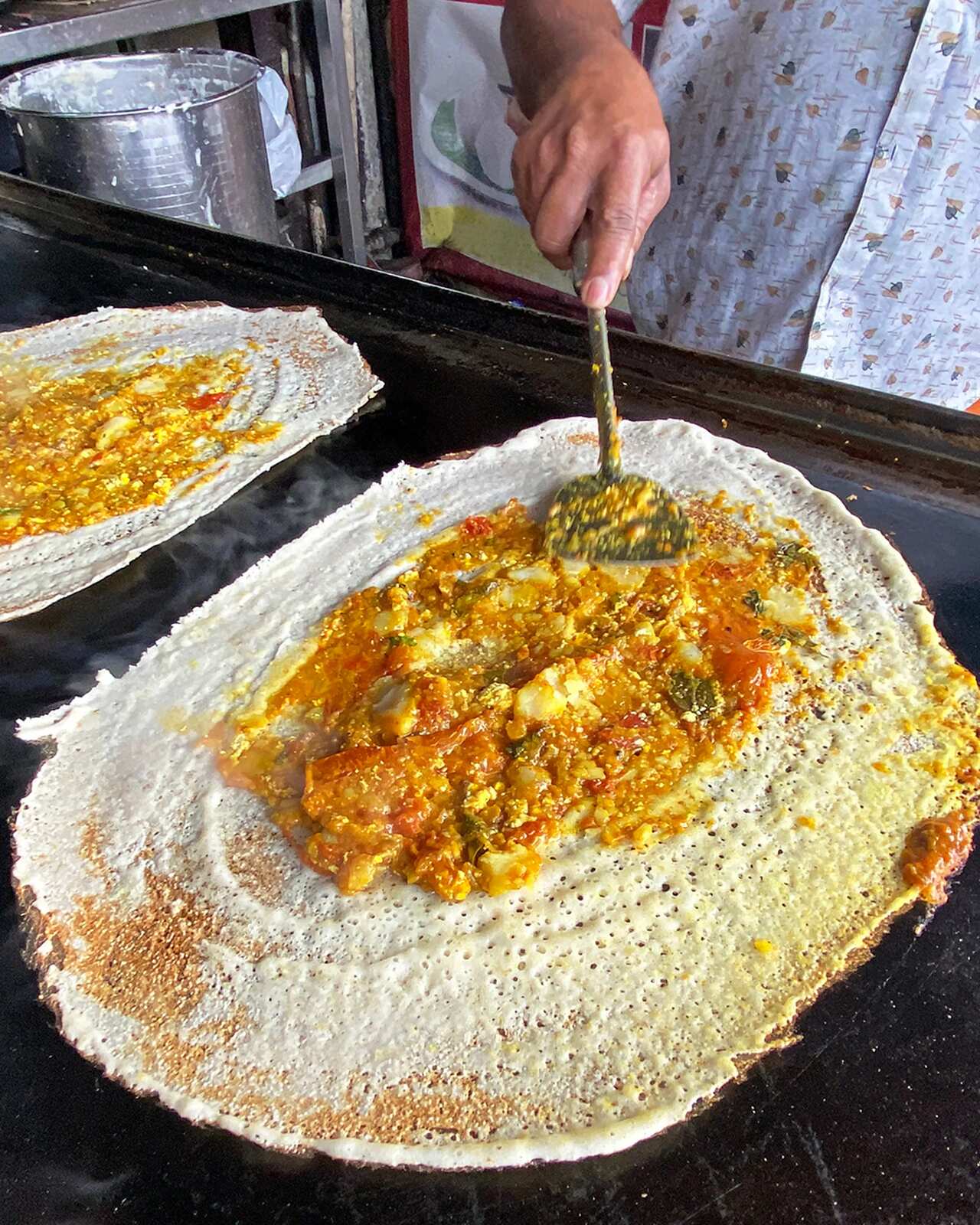
And the differences go well beyond breakfast. On Kerala's Malabar Coast, centuries of spice trading have helped flavour the local cuisine with black pepper, cardamom and cloves. Meanwhile, in the west Indian state of Gujarat, don't be surprised if your dal has a sweetish tinge – a little sugar or jaggery is a feature of many dishes here, a trick historically used by home cooks to soften the brackishness of local water.
Not sure how to tackle what's on your plate? Tear off a piece of roti, naan or dosa and use it to scoop up a little dal, curry or chutney. Rice can also be mixed with dal or curry and eaten with your fingers. And don't overlook the accompaniments: a bite of crisp papadum adds crunch, while a dab of pickle delivers a punch of flavour. In most parts of India, eating with your hands is perfectly normal – just remember to use your right hand.
--
If you liked this story, sign up for The Essential List newsletter – a handpicked selection of features, videos and can't-miss news, delivered to your inbox twice a week.