US-Iran War: Strait of Hormuz Restricted, Oil Flow Hit
The Post News | 11.04.2026 18:14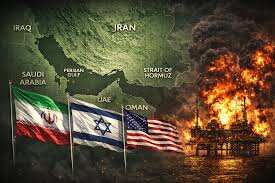
(The Post News)– Despite ongoing US–Iran peace talks, the Strait of Hormuz remains largely restricted following a temporary ceasefire earlier this week, disrupting one of the world’s most critical oil transit routes and driving fuel price increases globally.
The Strait carries about 20% of the global oil supply, making disruptions globally significant. On Friday, 10 April, Brent crude oil fluctuated between gains and losses, trading around $96 a barrel.
Strait of Hormuz Puts Global Oil Supply Route Under Strain
Ship traffic through the strait remained well below normal levels, following Tehran’s move to assert control over transit by warning vessels to remain within its territorial waters.
Sultan Al Jaber, chief executive of the Abu Dhabi National Oil Company (Adnoc), indicated that access through the strategically vital waterway remains tightly controlled by Iran, subject to approvals, conditions, and broader political considerations. He stressed that the restoration of energy security and the stability of the global economy depend on the strait being reopened in a manner that is complete, unconditional, and free from any form of restriction.
Restricted Shipping and Tight Iranian Control
The ship tracking Kpler data shows that since the temporary ceasefire was established on April 8, only fifteen ships have entered or left the strait. Before the US-Iran war intensifies, 138 ships pass through the strait on average.
Since the outbreak of the US-Iran war on 28 February, hundreds of tankers and other ships have been stranded in the Gulf, reducing global oil supply by around 20% in what is considered the largest disruption on record. The conflict has also damaged energy production in the region and driven oil prices up by roughly 50%, with Asian countries among the most affected.
The closure of the Strait of Hormuz also affects flights significantly. Airports Council International (ACI) reports that airports are experiencing a shortage of jet fuel. They say the shortage would be felt if the Strait of Hormuz fails to fully reopen in the next three weeks.
In a letter, Director-General of the ACI, Olivier Jankovec, indicated that, based on current assessments, a failure to restore consistent and meaningful transit through the Strait of Hormuz within the next three weeks could lead to a systemic jet fuel shortage across the European Union.
The continued disruption of the Strait of Hormuz has intensified pressure on global energy markets, with shipping activity remaining sharply reduced. Recent data indicates that tanker movements through the waterway have fallen dramatically compared to pre-conflict levels, as Iran asserts greater control over transit routes facing heightened operational risks, contributing to sustained supply constraints and elevated freight costs.