Real Politics: Mark Burke is testing the one thing the DA cannot afford to lose
Scrolla | 24.08.2026 15:05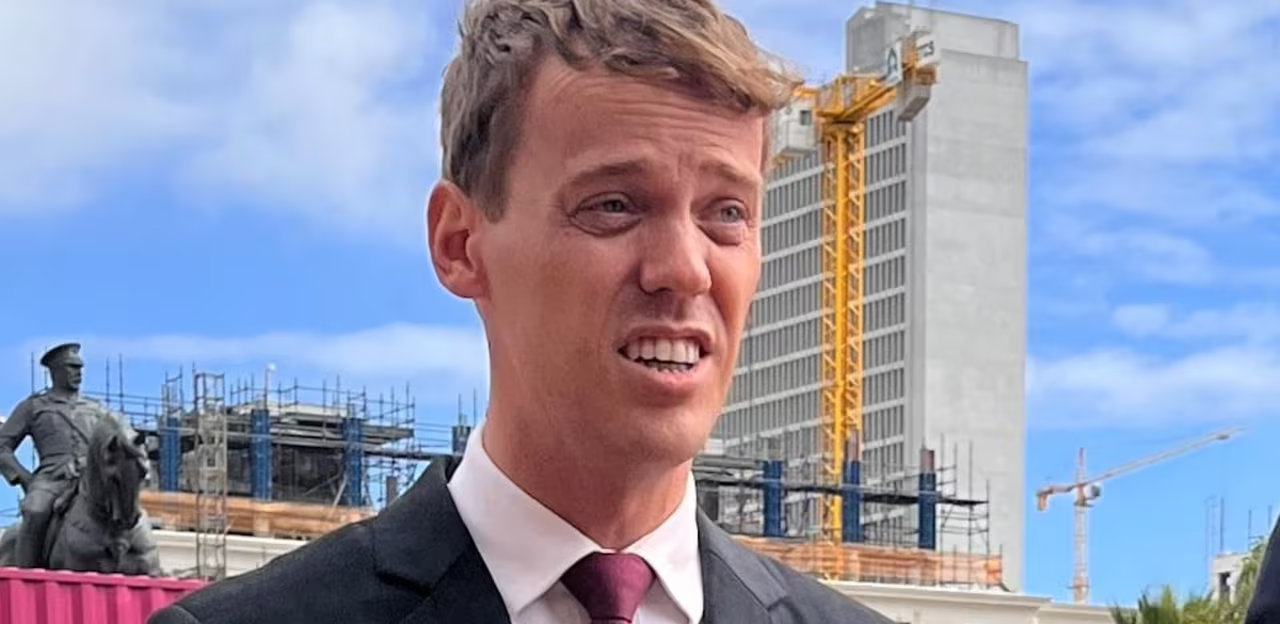
The Mark Burke affair tests the DA’s most valuable political asset, its reputation for clean government, at the worst possible moment before November, writes Zukile Majova in Real Politics.
The Democratic Alliance has built its election campaign around a simple promise: where the DA governs, government works.
That promise is more important to the party than almost any individual policy. Many voters may disagree with the DA on land reform, black economic empowerment, affirmative action or public healthcare. But they are prepared to consider voting for it because they associate the party with cleaner administration, functioning services and consequences for wrongdoing.
With municipal elections less than three months away, that reputation is now being tested from within.
The controversy surrounding DA MP Mark Burke could hardly have arrived at a worse time for party leader Geordin Hill-Lewis. Burke was the DA’s finance spokesperson and one of its brightest parliamentary recruits. He served on the Standing Committee on Finance, Parliament’s principal watchdog over taxation, government revenue and the financial system. He was also a prominent figure in the DA’s campaign against the proposed VAT increase in 2025, serving as the party’s parliamentary point man and using his technical competence to challenge the Treasury in its own language.
Burke has a PhD in econometrics from Cambridge University, an MPhil in technology policy and a master’s degree in computer engineering. That combination made him an obvious choice as finance spokesperson. It also makes his fall from the finance benches especially damaging.
The South African Reserve Bank is investigating alleged exchange-control contraventions involving Kastelo, the fintech and cryptocurrency business Burke co-founded. The allegations concern transactions valued at about R4-billion. Burke denies wrongdoing. He says he left the company’s operations when he entered politics and took steps to recuse himself from parliamentary matters involving the Reserve Bank. No final finding has been made that either Burke or Kastelo broke the law.
The immediate political problem was nevertheless unavoidable. A politician cannot credibly oversee the Reserve Bank and the country’s financial system while the bank is investigating a company he founded and from which he may still benefit. Conflict-of-interest rules do not exist only to punish proven criminality. They protect institutions from the perception that private interests may influence public responsibilities.
The DA initially appeared inclined to defend Burke on the grounds that no competent authority had found him guilty. That was legally defensible but politically tone-deaf. Hill-Lewis’s leadership eventually made the correct decision — Burke was removed from the finance committee and replaced as finance spokesperson. But the delay allowed the ANC and other parties to portray the move as reluctant damage control rather than the automatic application of principle.
The matter is far from over. The Reserve Bank investigation continues. The ANC has called for a parliamentary ethics investigation and laid a criminal complaint. Questions remain about Burke’s financial interest in Kastelo, his declarations to Parliament and whether his recusals covered every relevant meeting.
The danger for the DA is that the Burke affair does not stand alone.
It follows controversy over Resolve Communications, the lobbying company founded by former DA leader Tony Leon. Former DA figures have alleged that Resolve used its political connections to secure access to DA ministers and advance the interests of private clients. Resolve has denied improper conduct. Daily Maverick has also reported overlaps between the parliamentary work of DA MP Kabelo Kgobisa-Ngcaba, a former Resolve executive, and the interests of Resolve clients campaigning for changes to SIM card regulation. No finding has been made that she was paid or instructed to pursue those issues.
But elections are rarely decided by the precision of lawyers. Voters respond to impressions and patterns.
Burke and Resolve risk creating the impression of a party in which commercially connected insiders enjoy privileged access to Parliament and government. That would be deeply damaging to a DA that has spent years attacking the ANC’s networks of political influence, state contracts and connected enrichment. The DA’s defence may be that its people are better qualified and its processes cleaner. But conflicts of interest do not become acceptable because the participants wear suits, possess advanced degrees or communicate through professional lobbying companies.
This does not mean Burke is corrupt or that Resolve broke the law. It means the DA must apply the same suspicion to relationships involving its own insiders that it applies to ANC politicians and politically connected businesspeople.
That standard matters especially because the DA has appointed itself Parliament’s ethics policeman. It has taken ministers to court, demanded resignations and accused the ANC of protecting compromised politicians. It is also free to continue supporting the Phala Phala impeachment process against President Ramaphosa.
Removing Burke actually strengthens the DA’s position on Phala Phala. It demonstrates that stepping aside from a sensitive responsibility is not the same as a declaration of guilt. The more difficult question is whether the DA will apply that principle consistently.
MK and the EFF cannot convincingly demand standards from Burke that they refuse to apply to their own leaders. But their hypocrisy is not a defence available to the DA. A party promising something better cannot measure itself against the lowest standard in Parliament.
Hill-Lewis is selling the DA as a government-in-waiting. His campaign asks voters to look at Cape Town, compare it with Johannesburg or Ekurhuleni, and choose competence over decay. That message could attract urban black voters frustrated by failing municipalities even when they remain suspicious of parts of the DA’s policy programme. For these voters, a functioning government can outweigh ideological differences.
But that bargain depends on trust. If the DA begins to look like another vehicle for connected insiders, voters will have less reason to overlook its positions on race, redress and inequality.
Burke may ultimately be cleared. Resolve may continue to insist it did nothing improper. But Hill-Lewis cannot wait for court judgments before protecting his party’s central political asset.
The DA’s good-governance brand is not self-sustaining. It must be defended most fiercely when doing so is inconvenient, embarrassing and costly to the party itself.
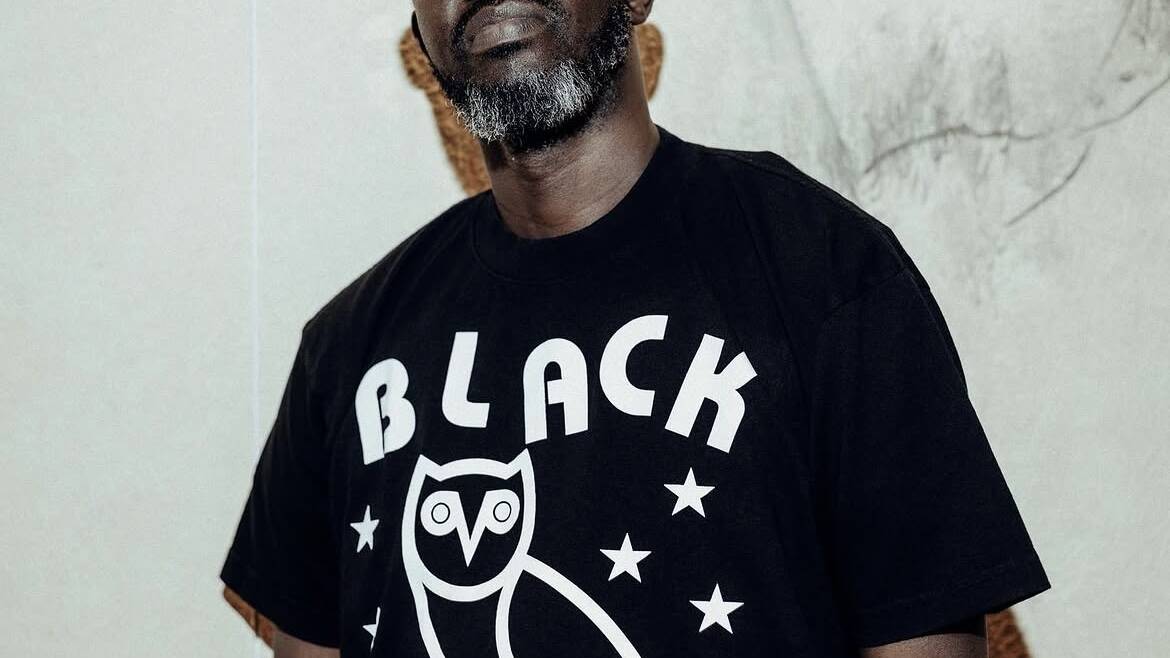
Pictured above: Mark Burke.
Image source: @Our_DA