What the NPA’s ‘engagements’ with Vusimusi ‘Cat’ Matlala actually mean
Explain | 22.05.2026 15:03
The NPA says talks with Vusimuzi “Cat” Matlala are not plea negotiations yet. Here’s what “engagements” mean in South African law.
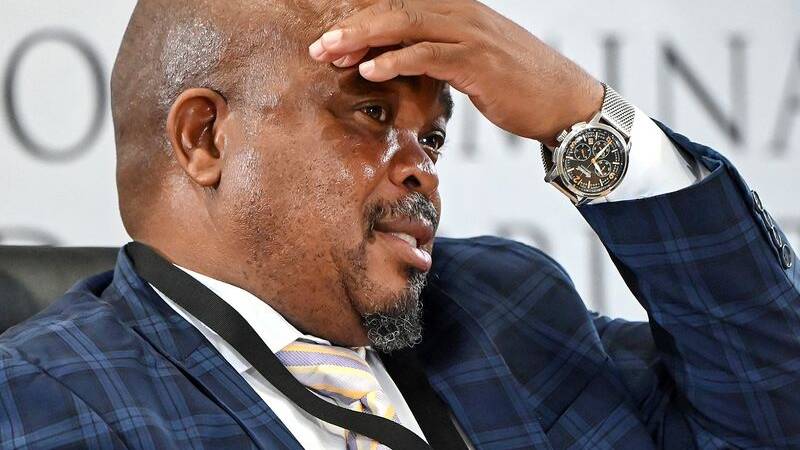
A few months ago, the Vusimuzi “Cat” Matlala story looked like another explosive South African Police Service (SAPS) corruption scandal. You know the drill: dramatic raids, arrests, and headlines about dirty cops. Now attention is shifting what’s happening behind closed doors: talks between prosecutors and one of the accused.
After reports emerged that Matlala could potentially become a state witness in the controversial R360 million SAPS tender case, the National Prosecuting Authority (NPA) pushed back, saying there is no plea deal in place, only ongoing “engagements” with the accused.
But what exactly are these “engagements” and how do they work in South African law?
Reports suggest that Matlala’s legal team is in discussions with the Investigating Directorate Against Corruption (Idac) over a possible cooperation deal that could see him turn state witness.
But the NPA says there isn’t a formal deal on the table, referring instead to the “ongoing engagements” mentioned above. Speaking to SABC News, NPA spokesperson Kaizer Kganyago said it’s too soon to tell whether these talks will lead to a plea bargain or any other formal arrangement.
Inez Bezuidenhout is an advocate and academic who lectures at the University of the Free State’s Law Faculty. She told /explain/ these “engagements” between the prosecution and defence are not actual negotiations for a deal.
“Engagements are a prevalent feature in complex, high-profile cases, serving as a mechanism for clarification and procedural planning between the prosecution and the defence,” Bezuidenhout said. “Engagements are not equivalent to formal plea negotiations and do not result in binding agreements or admissions.”
Matlala’s case is part of the wider R360 million SAPS medical-services tender scandal, which has already seen at least 12 senior police officers arrested. The tender was meant to provide healthcare services to more than 180,000 SAPS members, but parts of the contract were stopped after internal concerns were raised.
Bezuidenhout stressed that courts cannot simply take the word of an insider who’s turned state witness. Judges have to carefully assess the witness’s credibility and test the reliability of their evidence before placing weight on it.
“The value of such evidence is dependent on the circumstances of each case, as well as the court’s evaluation of the witness’s credibility and the reliability of the testimony,” Bezuidenhout said. “Notwithstanding, insider testimony can prove indispensable, particularly in instances where documentary evidence is incomplete, absent, or contested.”
Figuring out whether an accused who turns a state witness can be trusted is not always straightforward. In a complex case like Matlala’s, things can become even trickier. According to Bezuidenhout, when prosecutors rely on evidence from an accused person who may be cooperating in exchange for leniency, one of the main risks is credibility.
“Judicial practice requires caution when an accused testifies against a co-accused, given the possibility that such testimony may be influenced by self-interest or an attempt to deflect blame. It is well established that an accomplice may possess motivations to falsely incriminate another accused.” Bezuidenhout told /explain/.
On the surface, Matlala’s life looked like a major success story. Through companies like Medicare 24 Tshwane District, he secured a massive R360 million SAPS healthcare tender intended to serve thousands of police officers countrywide. But while the businessman’s image was growing, so were the allegations around him.
Matlala, together with Musa Kekana, Tiego Floyd Mabusela, his wife Tsakani Matlala, and Nthabiseng Nzama, is now at the centre of a serious criminal case involving 25 charges. These range from attempted murder to money laundering and all linked to a series of alleged shootings that happened over a period of nearly two years.
The state believes the group didn’t just organise the shootings, but also allegedly moved money around to cover their tracks and used fake paperwork to hide where some of the funds came from. Among the incidents tied to the case are the alleged attempt on the life of Matlala’s former girlfriend, Tebogo Thobejane, as well as shootings involving taxi-boss Joe Sibanyoni and music producer Seunkie “DJ Vetteys” Mokubong.Investigators also began digging deeper into Matlala’s business dealings, where more red flags reportedly surfaced, including claims that private vehicles were registered as Ekurhuleni Metro Police cars to gain free toll access and fuel perks.