Hot vs Cold Sandwiches: Which One Wins on Taste and Texture
Foodie | 13.03.2026 14:30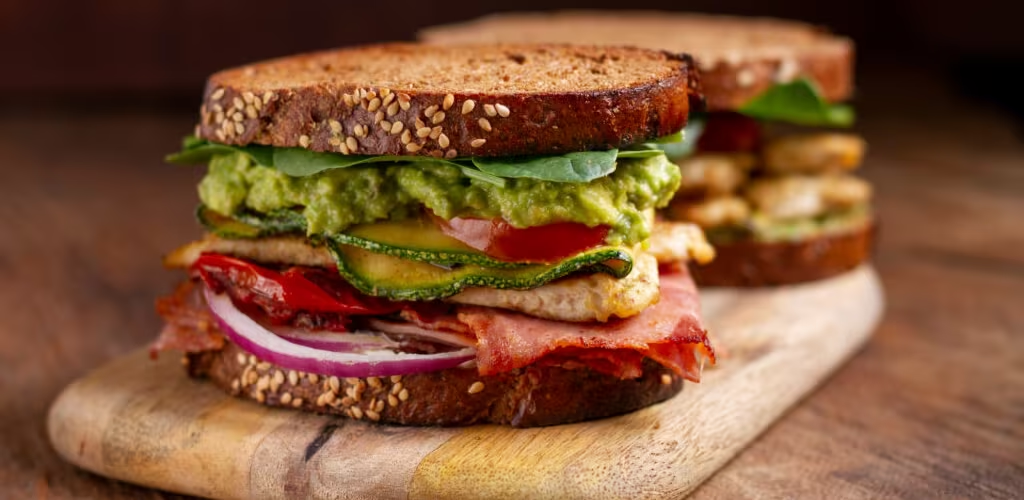
Sandwiches remain one of the most popular meals in the world because they are versatile, convenient and satisfying. You can prepare them quickly, customize them with many ingredients and enjoy them at any time of day. Some people prefer the crisp warmth of a grilled sandwich, while others enjoy the fresh bite of a cold one packed with vegetables and deli meats. Taste and texture often determine which type becomes your favorite. Heat can transform ingredients by melting cheese and crisping bread, while cold sandwiches preserve freshness and delicate flavors. Understanding how temperature affects flavor and texture helps you choose the right sandwich for every situation.
Why Hot Sandwiches Deliver Bold Flavor
Hot sandwiches create rich and intense flavors because heat activates oils, fats and natural sugars in food. When bread touches a hot pan or grill, it develops a toasted surface that adds crunch and aroma. Cheese melts and spreads through the sandwich, creating a creamy texture that binds the ingredients together. Warm meats release juices that enhance the overall taste.
Popular examples include grilled cheese, toasted chicken sandwiches and panini. In a grilled cheese sandwich, buttered bread becomes crisp while the cheese turns soft and stretchy. A toasted chicken sandwich offers tender meat with a crunchy exterior. Panini sandwiches combine grilled bread with fillings such as roasted vegetables, meats and melted cheese.
Hot sandwiches also allow sauces and spreads to blend well with the ingredients. When warmed, mayonnaise, mustard or pesto spreads easily and coats every bite. This creates a balanced flavor profile where each ingredient contributes to the final taste.
The Texture Advantage of Hot Sandwiches
Texture plays a major role in how people experience food. Hot sandwiches often deliver contrast between a crispy exterior and a soft interior. Toasted bread adds structure and prevents the sandwich from becoming soggy. Melted cheese provides a smooth and creamy element that complements crunchy bread.
Cooking also improves the texture of certain ingredients. Vegetables like onions or peppers soften and develop sweetness when heated. Meats become more tender and aromatic when warmed. These changes create a layered eating experience that many people find comforting and satisfying.
Another benefit is the warmth itself. Warm food often feels more filling and satisfying, especially during cooler weather or after a long day.
Why Cold Sandwiches Feel Fresh and Balanced
Cold sandwiches rely on fresh ingredients and clean flavors. They highlight the natural taste of vegetables, cured meats and spreads without altering them through heat. Crisp lettuce, juicy tomatoes and cool cucumbers bring brightness and moisture to each bite.
Many classic sandwiches fall into this category. The club sandwich layers turkey, lettuce and tomato between slices of bread. A ham and cheese sandwich combines simple ingredients with mustard or mayonnaise for flavor. Submarine sandwiches include a wide variety of deli meats, cheeses and vegetables.
Cold sandwiches are also quick to prepare. They require little equipment and minimal cooking time. This convenience makes them ideal for packed lunches, picnics and quick meals.
The Texture Strength of Cold Sandwiches
Cold sandwiches offer a different but equally appealing texture profile. Fresh vegetables deliver crunch and moisture that balance the softness of bread. Deli meats add a smooth and tender element that contrasts with crisp lettuce or firm pickles.
Bread remains soft rather than toasted, which some people prefer for its gentle bite. This softness allows the flavors of fillings to stand out instead of competing with a strong toasted flavor. Cold sandwiches also maintain the original texture of ingredients, which preserves freshness and variety in every bite.
Because the ingredients remain cool, the sandwich often feels lighter and more refreshing. This makes cold sandwiches especially popular during warmer months.
When to Choose a Hot Sandwich
Hot sandwiches work well when you want comfort and rich flavor. They are ideal for breakfast, dinner or colder weather when warm food feels satisfying. Grilling or toasting also helps revive day old bread by restoring crispness.
They are also useful when ingredients benefit from melting or heating. Cheese, roasted vegetables and cooked meats taste richer when warm. If you enjoy bold flavors and contrasting textures, a hot sandwich often delivers the best experience.
When a Cold Sandwich Works Best
Cold sandwiches shine when freshness and speed matter most. They require little preparation and travel well for lunches or outdoor meals. Fresh vegetables maintain their crunch and vibrant taste without heat.
Cold sandwiches also allow you to taste individual ingredients clearly. If you use high quality deli meats, cheeses or spreads, the cooler temperature preserves their original flavor and texture.
They also feel lighter than hot sandwiches, which many people prefer during warm weather or midday meals.
Hot and cold sandwiches both deliver unique strengths when it comes to taste and texture. Hot sandwiches offer crisp bread, melted cheese and deep, comforting flavors created by heat. Cold sandwiches provide freshness, crunch and a lighter eating experience that highlights natural ingredients. The choice often depends on your mood, the weather and the ingredients available in your kitchen. Many people enjoy both styles for different occasions. By understanding how temperature changes flavor and texture, you can create sandwiches that match exactly what you want in every bite.