Where Community Becomes the Business: The Story Behind Hue Café
StartUp Magazine | 27.02.2026 14:30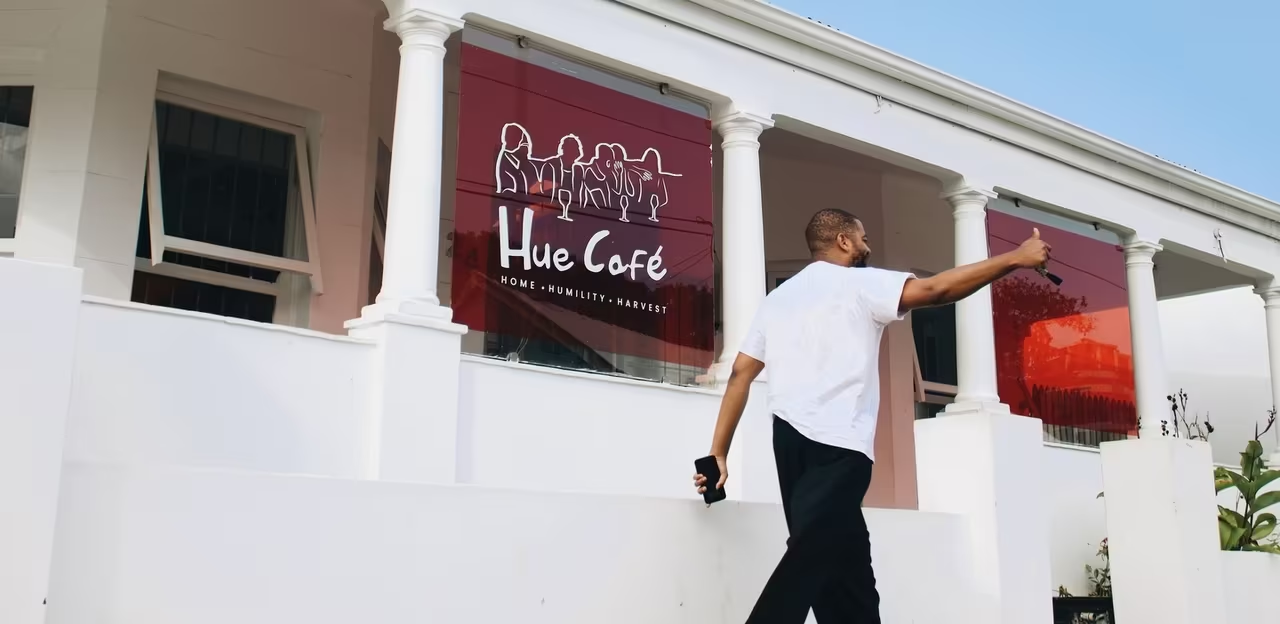
Where Community Becomes the Business: The Story Behind Hue Café. Some brands grow because they solve a problem. Others grow because they create a feeling people want to return to. Hue Café belongs firmly in the second category. Built on connection, creativity, and shared experience, the café reflects the vision of its founder, Lindah Majola, whose journey shows how community itself can become the foundation of a sustainable business.
What began as a humble food trailer has evolved into a living space where art, culture, and people intersect. The transformation did not happen overnight. It grew step by step, shaped by relationships, creativity, and a deep commitment to bringing people together.
A Beginning Rooted in Gathering, Not Just Selling
Before Hue Café became a permanent space, there was The Kitchen Club. This pop up dining experience brought people around a table to share meals, music, and conversation. The goal was simple. Create a space where people could connect.
That early idea reveals an important entrepreneurial principle. Instead of building a business and then searching for customers, the community formed first. The Kitchen Club created a shared experience that people valued. From that foundation, demand for something more permanent naturally emerged.
For aspiring entrepreneurs, this highlights a powerful lesson. When people feel connected to an idea, they help shape its growth. Community can become the strongest form of market validation.
From Mobile Food Trailer to Permanent Creative Space
Hue Café did not begin as a fully formed destination. Its earliest structure was a food trailer. Operating in a smaller, flexible format allowed the concept to grow organically while remaining accessible and responsive to its audience.
This stage was more than a starting point. It was a testing ground. It provided space to refine the experience, understand what people valued most, and build consistency before scaling.
The eventual move into a permanent space marked a turning point. The café became more than a place to eat. It became a home for art, culture, and meaningful gatherings. The shift from temporary to permanent did not change the core mission. It simply gave it room to grow.
Entrepreneurs often rush toward expansion. Hue shows the strength of evolving at a pace that allows identity to remain clear and intact.
Leadership That Blends Creativity and Structure
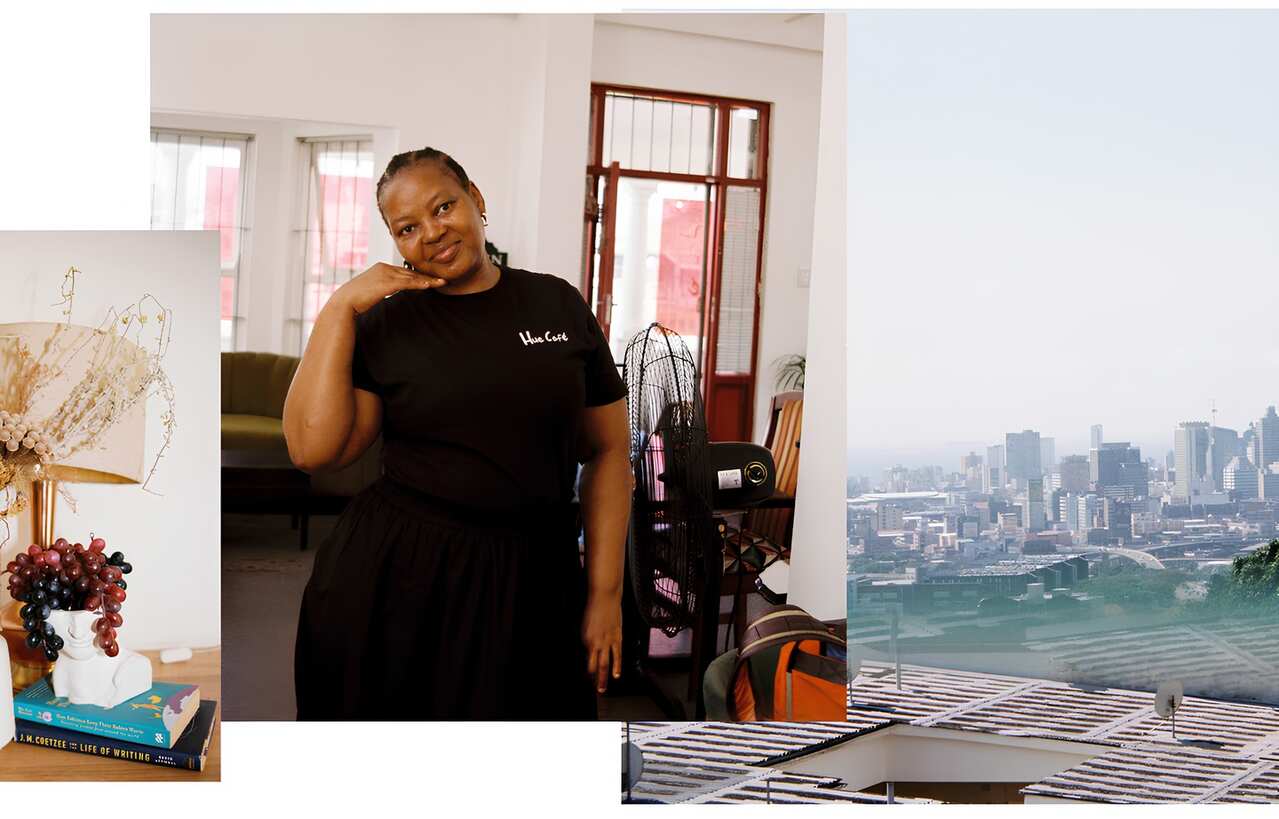
Lindah Majola’s work extends beyond running a café. His roles as an art curator, events organiser, and manager shape the character of the space itself. Hue is not only a business environment. It is a curated experience.
This combination of creative direction and operational management is significant. The café functions as both a cultural platform and a hospitality space. Art, music, food, and conversation are not separate features. They are interconnected parts of the same environment.
Businesses led by individuals who understand multiple dimensions of experience often develop stronger identity. Creative leadership shapes atmosphere. Organisational leadership ensures sustainability. The balance between the two is what allows Hue to operate as both a gathering space and a functioning enterprise.
Experience as the Core Product
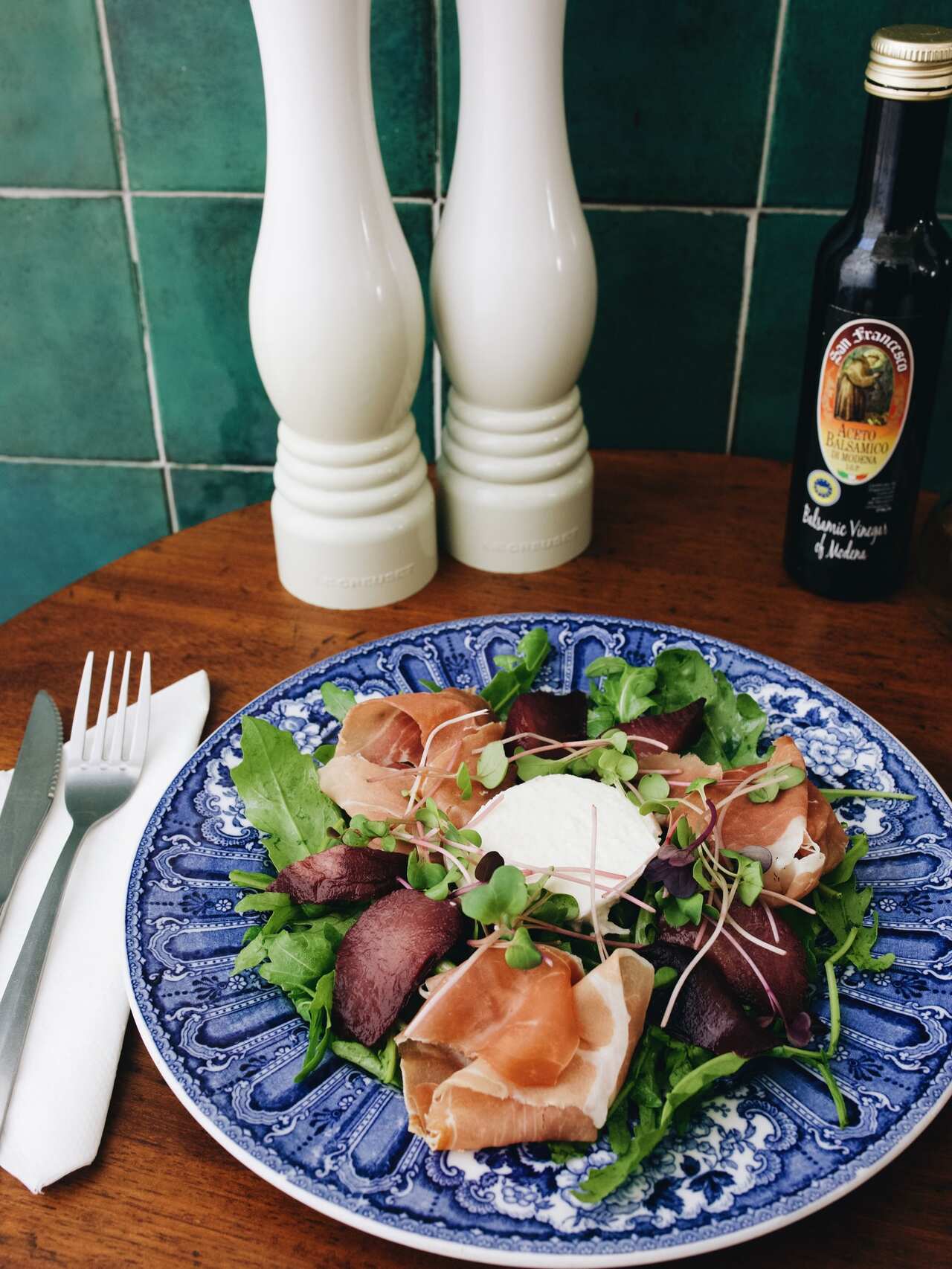
At Hue, gathering is treated as something meaningful. Whether through food, music, or artistic expression, the space is built around shared moments.
This approach reflects a shift in how people interact with physical spaces. Many visitors are not simply looking for service. They are looking for belonging. Hue responds by creating an environment where stories are shared and relationships form naturally.
For entrepreneurs, this reinforces an essential insight. A product may attract attention, but experience builds loyalty. When people associate a space with emotion, connection, and creativity, they return for more than the offering itself.
Growing Through Cultural and Emotional Relevance
Hue Café developed from a genuine desire to celebrate togetherness. That intention remains visible in every aspect of the brand’s identity. It honours gathering, creativity, and shared experience as central values.
This clarity of purpose strengthens long term relevance. Businesses that reflect meaningful human experiences tend to remain adaptable because they are built around universal needs. People will always seek connection, expression, and belonging.
Rather than chasing trends, Hue maintains consistency by focusing on the emotional and cultural role it plays in people’s lives.
Lessons Entrepreneurs Can Apply
Hue Café offers practical insights that extend far beyond hospitality. Build community before scaling. Start small enough to learn and adapt. Let identity guide expansion. Combine creativity with operational discipline. Design experiences that people feel emotionally connected to.
Perhaps the most important lesson is this. Businesses rooted in genuine human connection develop strength that cannot easily be replicated. Community is not a marketing strategy. It is infrastructure.
The journey from The Kitchen Club to a permanent creative space reflects steady, intentional growth guided by purpose. Hue Café demonstrates how a business can evolve from simple gatherings into a meaningful cultural environment without losing the spirit that started it all.