REAL POLITICS: MK party to lean on Zuma charm ahead of municipal elections
Scrolla | 13.03.2026 22:16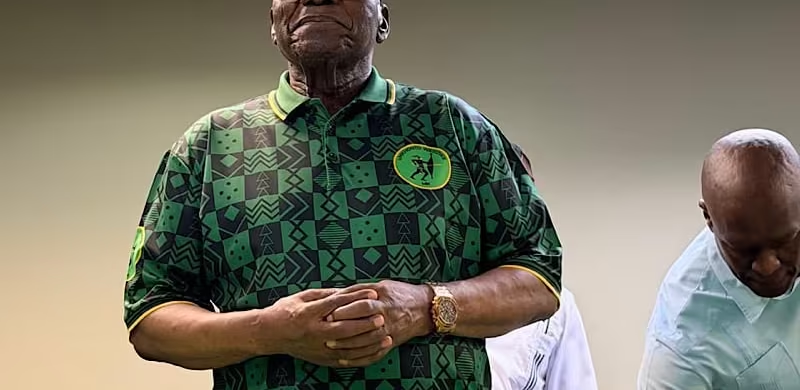
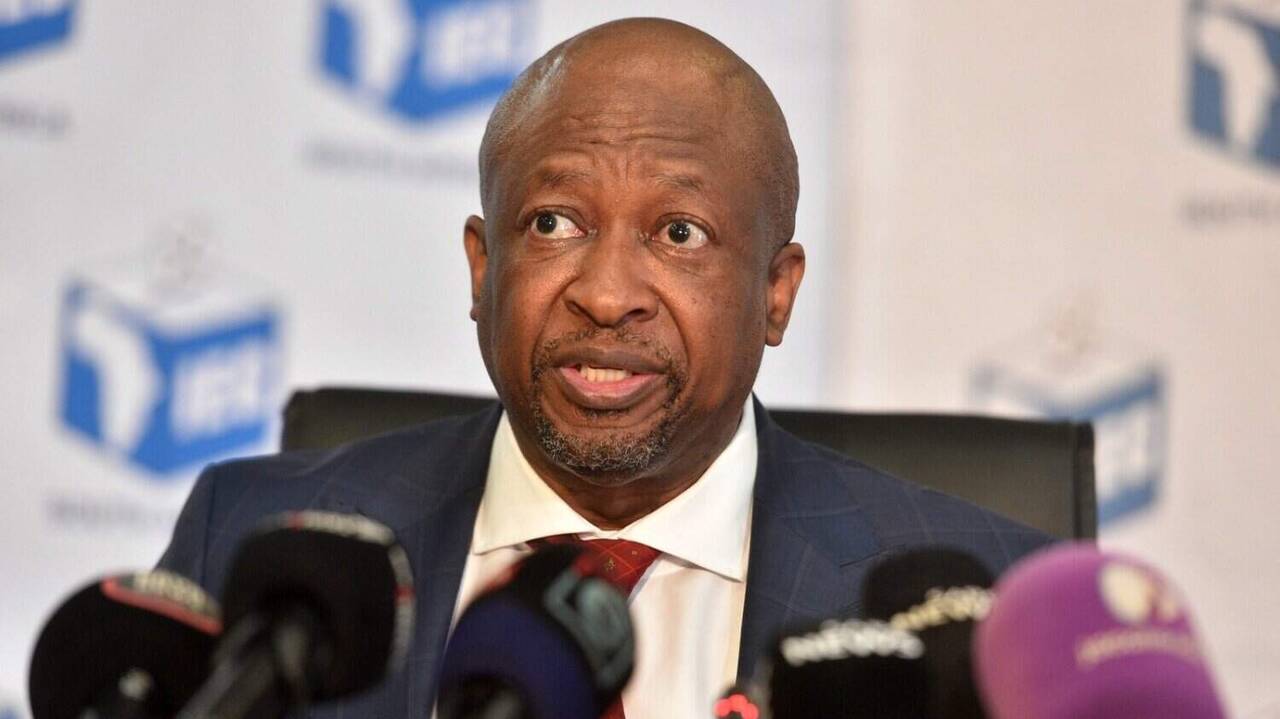
Jacob Zuma’s personal popularity may again carry the MK party in 2026, but leadership instability and weak structures are limiting its political reach, writes Zukile Majova in Real Politics.
The uMkhonto Wesizwe party is heading into the 2026 local government elections with one clear campaign weapon.
Jacob Zuma himself.
The party’s explosive rise in the 2024 elections was built largely on the personal popularity of the former president, especially in KwaZulu-Natal.
But nearly two years later the party is still struggling to build the kind of structures needed to turn that popularity into a stable national political force.
In the 2024 national and provincial elections the MK party delivered one of the biggest political shocks since the dawn of democracy.
Formed in December 2023, just months before the election, the party won 14.58% of the national vote.
Its real strength, however, was in KwaZulu-Natal where it secured 45.35% of the provincial vote and emerged as the largest party.
The MK surge dramatically reshaped South African politics.
For the first time since 1994, the ANClost its parliamentary majority.
The party’s support collapsed from 57.5% to just 40%.
That result forced the country into a Government of National Unity, a coalition arrangement that could shape South Africa’s political future for years.
In KwaZulu-Natal, the ANC joined forces with the DA and the Inkatha Freedom Party to block the MK party from taking power.
The coalition denied Zuma’s party control of the province and its R168-billion budget.
MK supporters insist the party deserved to govern because it received the largest share of votes in the province.
Critics argue the coalition prevented what could have been administrative chaos.
Their argument is simple.
If the MK party struggles to manage its own internal leadership, how would it have managed a provincial government?
Since its launch the party has already gone through six general secretaries.
Leadership changes have become a regular feature of the organisation as Zuma reshapes the top structures.
This week the party announced another round of appointments aimed at preparing for the 2026 municipal elections.
Sibonelo Nomvalo becomes the new secretary general.
Simphiwe Mpungose has been named KwaZulu-Natal provincial secretary.
Tholakele Dlamini will oversee election preparations while Gobizizwe Makhanya becomes provincial organiser.
Former Transnet chief executive Brian Molefe has been appointed treasurer general.
Mmabatho Mokoena-Zondi will serve as chief whip in the National Assembly.
Many of these figures are largely unknown to ordinary voters.
That creates a problem for the MK party as it prepares for municipal elections where credibility at community level often matters more than national politics.
Local government elections are driven by familiar faces, trusted community leaders and service delivery issues.
The MK party has so far struggled to build that kind of grassroots presence.
While the party has been contesting by-elections, its performance has been mixed.
It has won six wards since the 2024 elections.
Most of those victories have come in KwaZulu-Natal including Richmond, Durban, KwaDukuza and Emandeni.
There have also been isolated wins in the North West and in Saldanha Bay in the Western Cape.
Even in its strongest province the party’s growth has been modest.
The MK party has only managed to take four wards from the ANC in KwaZulu-Natal.
Outside that province the party remains largely marginal.
It has not won a single by-election in Gauteng, the country’s most populous province.
The party has also struggled to gain ground in the Eastern Cape, long regarded as the historic heartland of black political leadership in South Africa.
Another challenge facing the party is perception.
Its leadership structures are dominated by figures from KwaZulu-Natal.
That has reinforced the view among some voters that the MK party is essentially a regional political project rooted in Zulu nationalism.
The controversy around former Economic Freedom Fighters deputy president Floyd Shivambu illustrated these tensions.
Some MK members resisted his appointment as secretary general before Zuma later expelled him from the party.
The team expected to drive the 2026 campaign includes party chairperson Nathi Nhleko, the former deputy minister of police.
John Hlophe, the impeached former judge president of the Western Cape High Court, serves as deputy president.
African National Congress veteran Tony Yengeni has also been brought in as second deputy president following tensions between Zuma and Hlophe.
Behind the scenes Zuma has created a Presidential Task Team to prepare the party for the municipal elections.
The 11-member structure includes traditional leaders, Zuma’s son Duduzane Zuma and other loyalists tasked with coordinating the campaign on the ground.
Despite these structures the party’s political energy still revolves around Zuma himself.
At 83 he remains the MK party’s most powerful campaigner and its most recognisable political figure.
Among many rural communities and traditional leaders Zuma continues to command deep loyalty.
Many supporters still see him as a leader who was unfairly targeted by his political opponents.
That sentiment played a major role in the MK party’s surge in 2024.
It continues to drive the party’s by-election gains in KwaZulu-Natal.
Zuma himself believes the party can capture key municipalities such as eThekwini and Msunduzi in the next local government elections.
Political analysts say the former president’s charisma will remain the party’s strongest campaign asset for as long as he remains active in politics.
But they also warn that personal popularity has limits.
Municipal elections are often decided by service delivery, local leadership and community credibility.
Without stronger structures and trusted local candidates, the MK party may struggle to convert Zuma’s personal appeal into long term municipal power.
For now, the Zuma charm remains the party’s most reliable political weapon.
Whether that alone can carry the MK party beyond its KwaZulu-Natal heartland will be the real test in 2026.
Image source: MKParty