The spirt of travel writing is vibrantly alive and well: Eight of the best travel books for 2026
BBC | 27.11.2026 15:00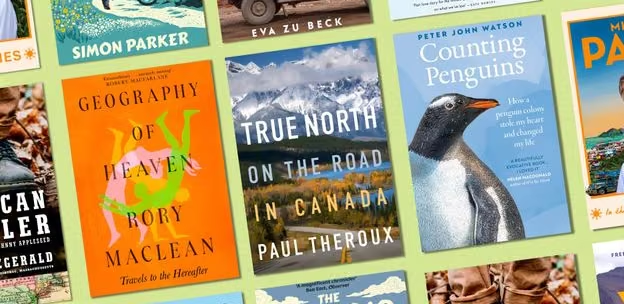
From Antarctica's icy reaches to bike journeys through the UK's windswept moors, these narratives reminded us how travel writing can transport us to distant worlds.
"Travel writing is dead," a good friend and esteemed travel writer lamented to me the other day. It's an understandable conclusion: today, social media saturates our screens with captivating images from the farthest corners of the globe. With the world at our fingertips, do we still need traditional travel literature to take us far away?
Over the past few months, I've been devouring this year's most acclaimed and promising travel books titles to find out. I've journeyed to the icy ends of Antarctica, the endless steppes of Mongolia and the steamy forests of the Amazon; I've despaired in deserts, idled on islands and marvelled on mountaintops; met a mind-expanding community of fellow humans and absorbed dozens of heart-stretching life-tales.
What I've found is that the solitary, attentive act of reading offers something increasingly precious: it forces us to slow down as it transports us to faraway places, to spend immersive moments with unfamiliar characters. At its best, travel writing complicates our assumptions, inspiring the transformation that the best trips provide.
Author of the Lonely Planet Guide to Travel Writing and The Way of Wanderlust, Don George is an Editor at Large at National Geographic and for many years wrote the TripLit books column for National Geographic Traveler. He has been the Travel Editor at the San Francisco Examiner-Chronicle and Salon.com, and the Global Travel Editor at Lonely Planet.
My literary journey has affirmed for me that the spirt of travel writing is vibrantly alive and well. Here are the eight best travel books of 2026.
Distant worlds
Two of this year's best travel titles vividly evoke life in one of the most extreme locations on the planet: Antarctica. While the setting is the same, the authors' approaches are wholly different.
Where the Earth Meets the Sky, by Louise K Blight
In Where the Earth Meets the Sky, conservation scientist Louise K Blight offers a soaring account of her three-month stay at a remote research camp near Cape Royds on Antarctica's Ross Island, where she worked alongside pioneering penguin biologist David Ainley, studying and monitoring one of the world's southernmost colonies of Adélie penguins.
Blight compellingly portrays the rigors, tedium and transcendent moments of everyday existence in that raw environment and captures with crystal clarity the otherworldly beauty of the landscape. As she navigates the stark world of ice, blizzards and penguins, she also reflects on human loss, solitude and the restorative power of nature.
Combining scientific insight, evocative nature description and soul-opening honesty, Blight creates a salutary addition to the literature of Antarctica, shifting the emphasis from conquering to coexisting and gleaning crucial lessons on how to live within the wild.
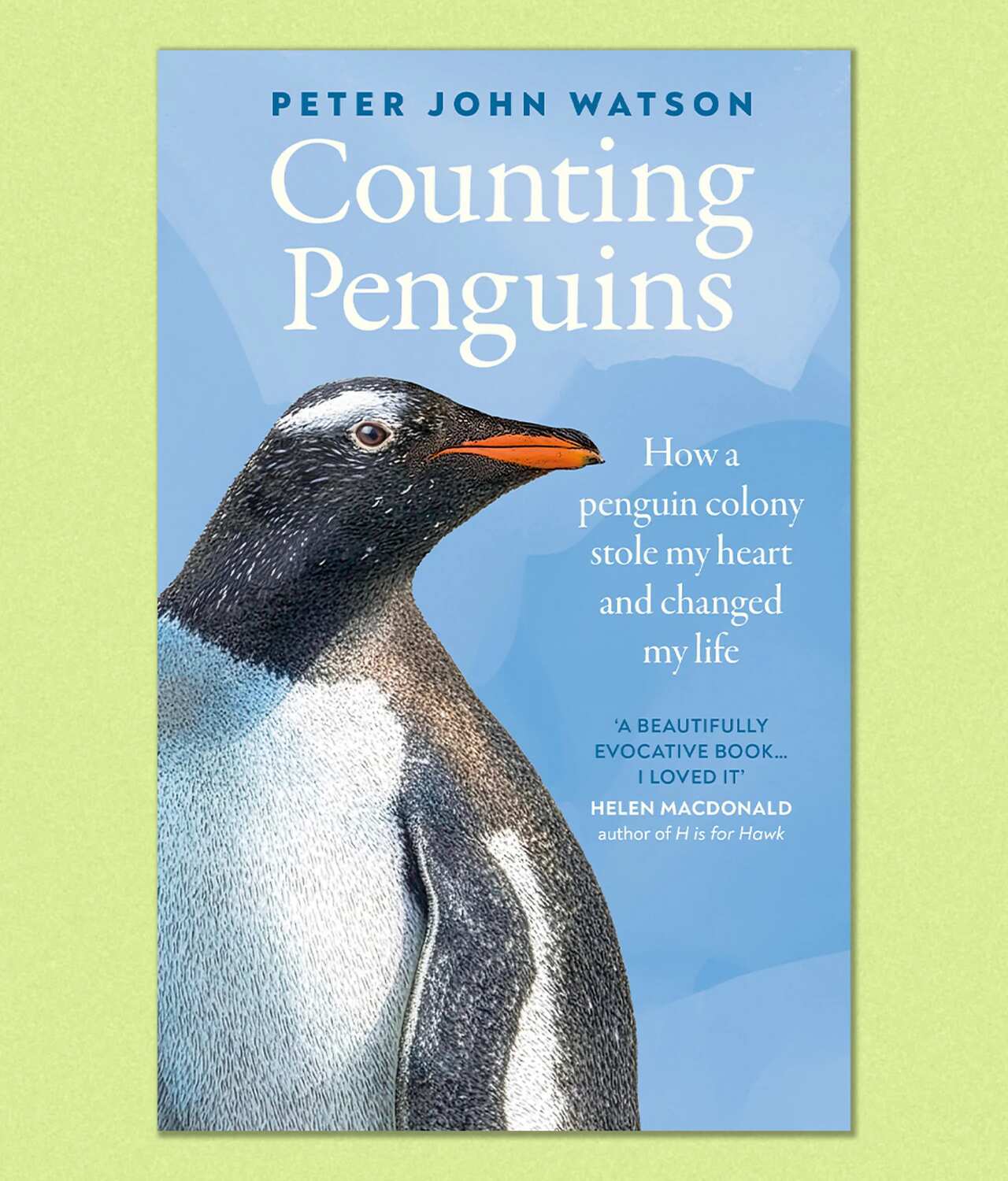
Counting Penguins, by Peter John Watson
Travel writer Peter John Watson's Counting Penguins recounts three months working with the UK Antarctic Heritage Trust as a wildlife monitor at Port Lockroy, a tiny British outpost that is home to the world's southernmost post office and a beguiling colony of gentoo penguins. On the opposite side of Antarctica, some 3,814km (2,370 miles) from Blight's camp on Cape Royds, Watson's perspective is also "opposite-side" – focused on the quotidian rigors and rewards of a layman's sojourn in Antarctica.
While he, too, records the starkly beautiful landscapes and dauntingly capricious weather, Watson is especially captivating in describing the behaviour of the penguins he is charged with counting. Before long, they become his penguins, and his detailed accounts of their rites of courting, nest-building, breeding, hatching, molting, learning and leaving are enchanting.
As the weeks pass, this interspecies bonding confers something even deeper: life-changing lessons in the rewards of slowing down, cultivating patience and simply paying attention – unexpected gentoo gifts that transcend place and time.
Homeland odysseys
Of course, you don't have to travel to the literal end of the Earth to have extraordinary travel experiences. Two of this year's best books record pilgrimages much closer to home – a two-wheeled wander around the UK's national parks and an odyssey tracing the steps of a 19th-Century American icon.

American Rambler, by Isaac Fitzgerald
In American Rambler, Isaac Fitzgerald embarks on a year-long quest to follow the path of Johnny Appleseed, the semi-legendary 19th-Century nurseryman who wandered across the American frontier planting apple seeds and giving Swedenborgian sermons – becoming one of the country's enduring folk heroes.
As Fitzgerald walks, drives and floats from Massachusetts to Indiana, he pieces together a very personal portrait of the US: a place of welcoming bars, kitschy shops, folksy festivals, expansive landscapes, kind strangers, eccentric characters and motley-but-nurturing communities. Fitzgerald doesn't shy away from exposing the discrepancies between Appleseed mythology and historical reality; for example, he details the apple-planting pioneer's complicated relationship with Indigenous peoples, noting in particular the War of 1812, when he ran 35 miles (56.3km) to alert soldiers of a rumoured Indigenous attack.
But the overall product of this frank and disarmingly told tale is a fresh appreciation of the US heartland – and a sobering reminder of the American propensity to conflate fact and fiction in the service of a status-quo-stabilising yarn. Equal parts road trip, historical inquiry and philosophical memoir, American Rambler is an illuminating addition to the great canon of on-the-road Americana.
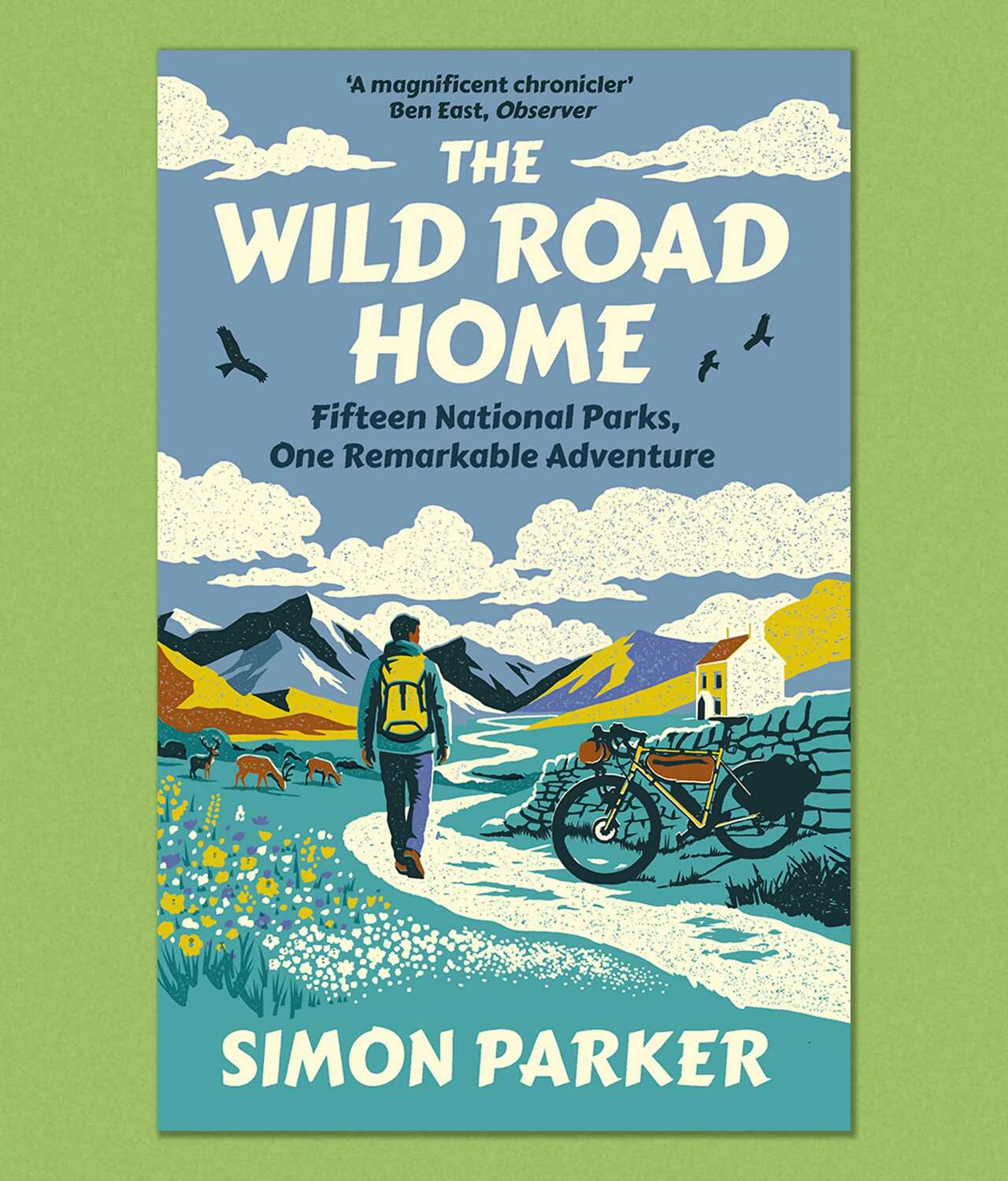
The Wild Road Home, by Simon Parker
British travel writer Simon Parker's The Wild Road Home is a pilgrimage of a different kind: an exploration of all 15 of the United Kingdom's national parks by bike. Travelling from the windswept moors of Dartmoor to the mountains of the Cairngorms and the watery expanses of the Broads, Parker eloquently depicts the transporting landscapes he encounters, but his real focus becomes the people who live, work and seek refuge in them.
As he pedals (and sometimes carries) his bike, he talks with farmers, conservationists, landowners, innkeepers, walkers, artists and travellers, uncovering the competing demands placed on these fragile, cherished ecosystems and the growing challenges of protecting them. From pub to campground to farmstead to traffic jam, he experiences firsthand the collision of economic development, visitor accommodation and wildland preservation.
Recounted with a robust mix of humour, research and reflection, Parker's two-pedalled pilgrimage celebrates the healing power of these natural, national treasures and at the same time highlights the urgent need to steward such wild places.
Iconic adventurers
Michael Palin and Paul Theroux have been wandering the world for decades, and their passions for adventuring have only seasoned and deepened through the years. These passions bear brilliant fruit in two new titles, where they gather their time-honed talents and worldly wisdoms to plumb the layers of two largely overlooked and little-understood destinations.

Michael Palin in the Philippines, by Michael Palin
Since the 1989 publication of Around the World in 80 Days, Michael Palin has been charming readers with his adventures and misadventures around the globe. In his latest book, he explores the Philippines, an archipelago of more than 7,000 islands that combines Instagrammable natural beauty with deep social and political challenges. Palin's explorations take him from the makeshift community of Manila's Smokey Mountain rubbish dump to the idyllic beaches of Palawan's Unesco Biosphere Reserve – including some destinations so far off the tourist path that he needs a military escort.
Along the way, he meets a revealing spectrum of people, from a mother still grieving the death of her children by an anti-drug death squad and a former member of a militant Islamist organisation to a nationally beloved singer-cum-activist, and the country's current president, Ferdinand Marcos Jr (who turns out to be a fervent Monty Python fan).
Palin's signature curiosity, self-deprecating humour and gift for conversation make him an especially engaging guide as he illuminates the country's daunting problems, defining paradoxes and inextinguishable allure.
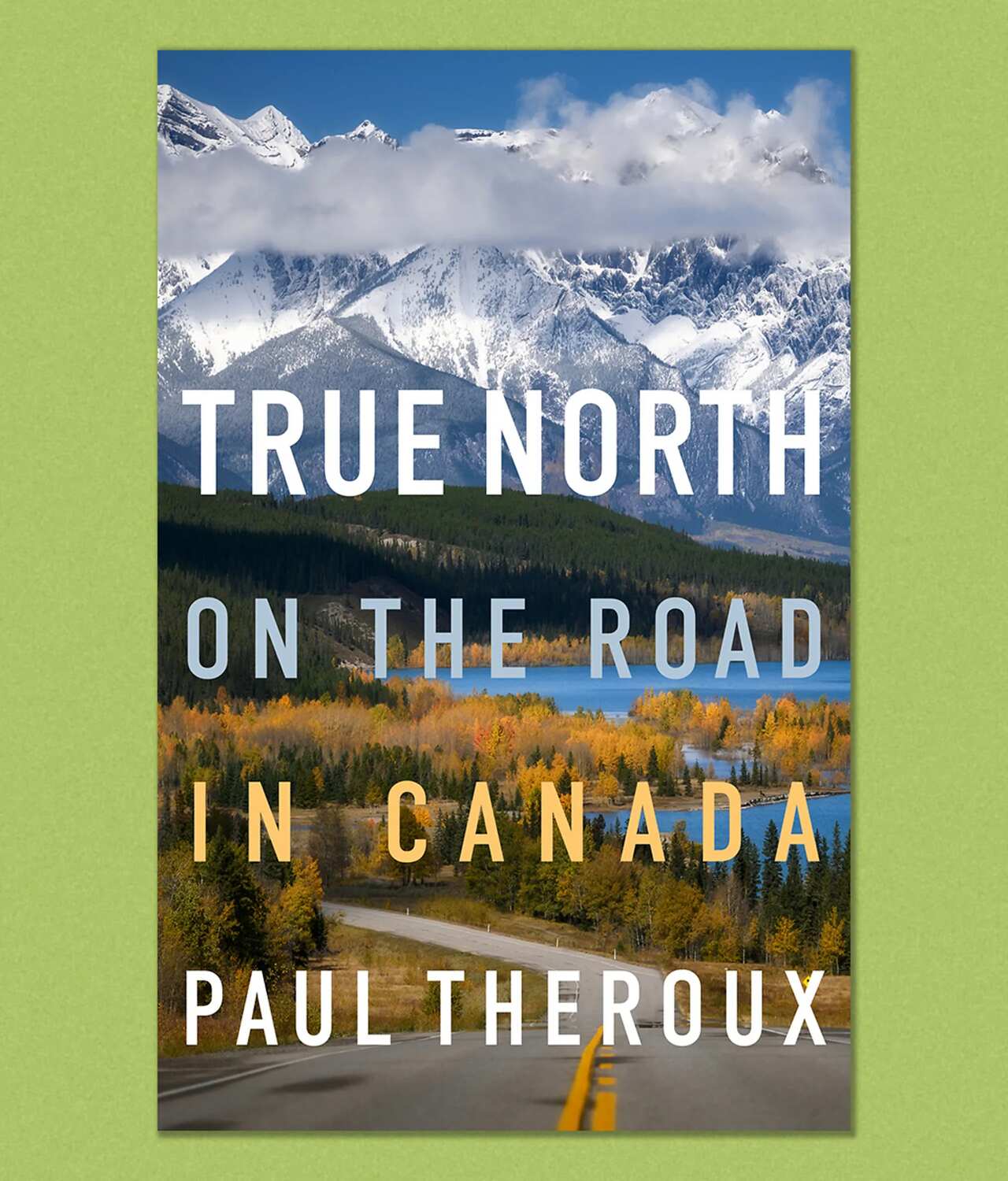
True North, by Paul Theroux
In the half century since The Great Railway Bazaar was published in 1975, Paul Theroux has written 13 more travel narratives, an unmatched oeuvre of literary travel writing and an extraordinary record of engagement with the world. In his new book, True North, he turns his focus to Canada, a country that has long been overshadowed by its neighbour to the south – but has recently been thrust into the global spotlight because of that neighbour's political posturing.
Theroux's goal is to piece together the puzzle of Canada's identity, but his journey is personal as well: he begins by tracing his own ancestral roots to Yamaska, a village in rural Quebec. From that base, he sets out to cross the vast country, from Newfoundland to Vancouver. As he drives, he meets an edifying range of Canadians of European, African and Indigenous ancestry, and records their reflections on Canada's complicated history, defining characteristics and elusive place in the world.
Theroux brings all his trademark gifts – astute listening and observation, deeply researched knowledge, craggy honesty and finely honed sense of wonder – to this quest for understanding. The result is a deeply moving portrait of a fulsome, fragmented country and an impassioned, insatiable writer – both still navigating the road of self-discovery.
Travel and transformation
Sometimes the destination we seek in wandering the world can ultimately only be found within ourselves. That's the case in these two profoundly moving travel memoirs.
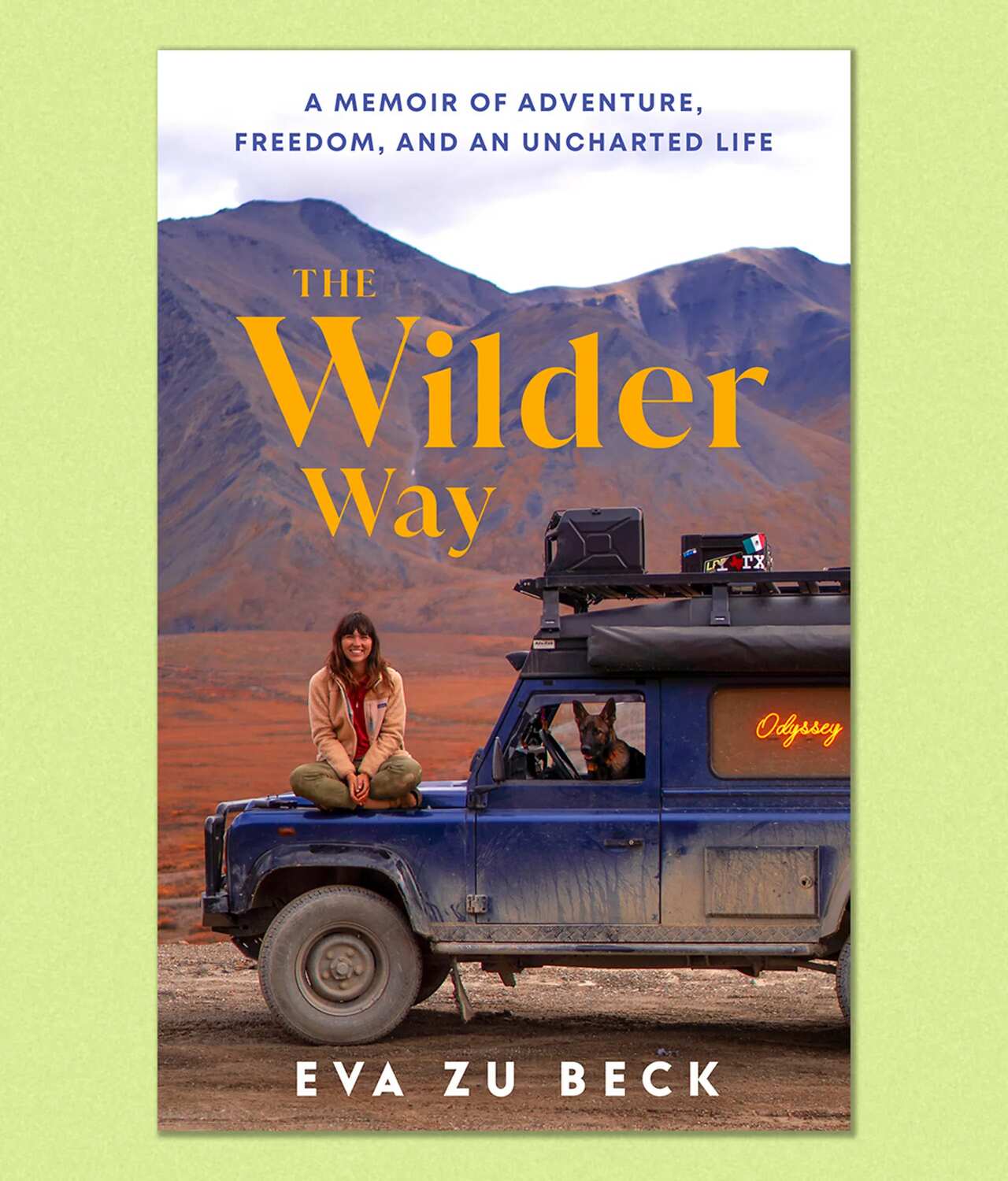
The Wilder Way, by Eva zu Beck
Polish travel writer Eva zu Beck thinks she has accumulated all the accoutrements of success in her new London lifestyle: enviable husband, posh home, successful career, lavish restaurants, luxury travels. Only one thing is missing: meaning. Plucking her courage, she leaves everything behind and embarks on a search for a meaningful life.
That journey takes her riding a horse alone across Mongolia, living with an Indigenous family in the mountains of Pakistan, finding herself stranded on a remote Yemeni island during the Covid-19 pandemic and overlanding across North America to Alaska in an ageing lorry.
The Wilder Way vividly evokes these adventures and the internal reverberations they generate, interweaving Zu Beck's searingly honest reflections on loneliness, relationships, privilege and the despairs and discomforts of embracing uncertainty to discover who we are. The tale she crafts is a profoundly inspiring testament to the power of travel and how it can open us to the world around us, while also connecting us to the world within.
 Hachette
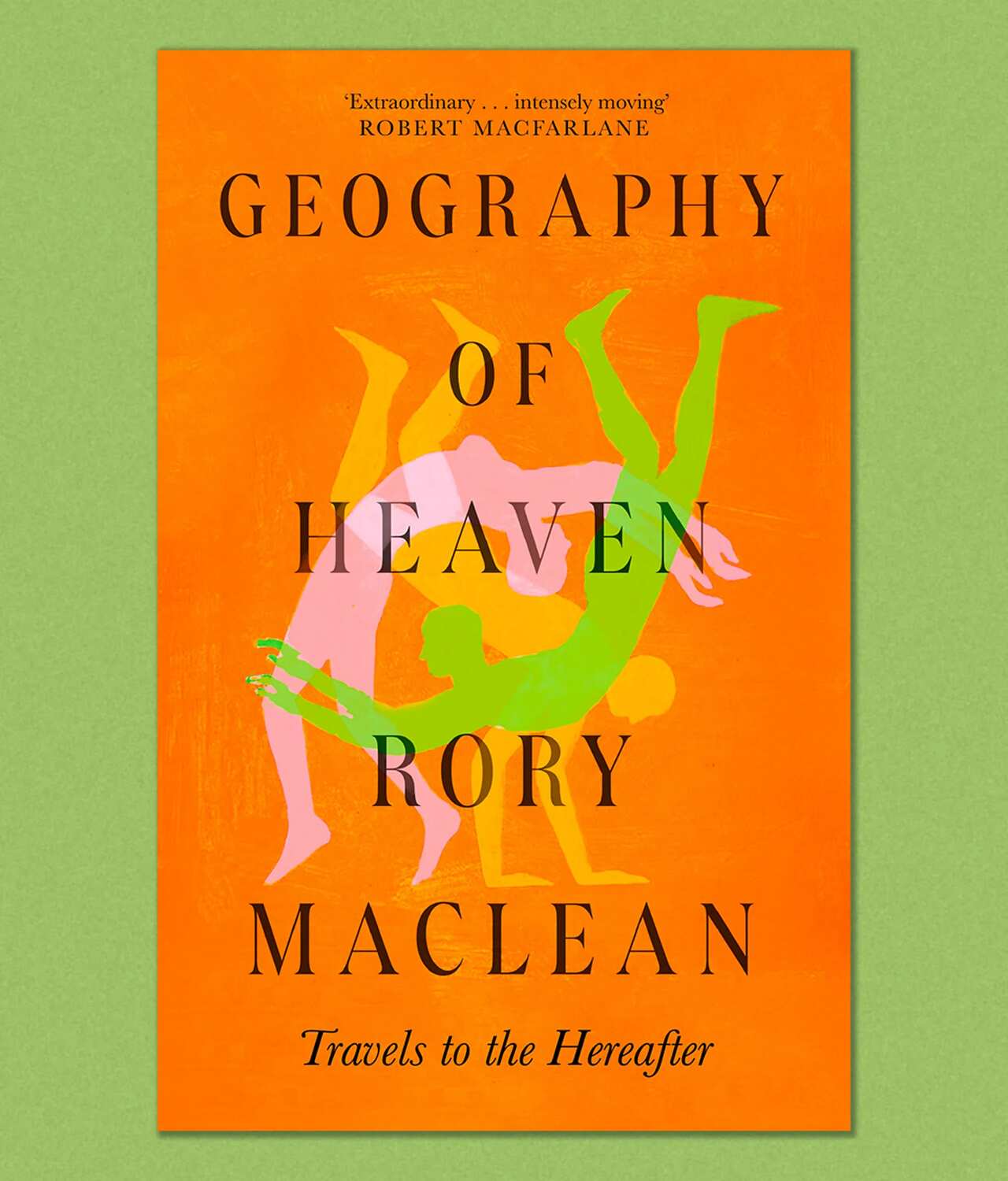
Geography of Heaven, by Rory MacLean
After the death of his wife of 32 years, Rory MacLean can't see a way forward. Unable to imagine life without her, the British travel writer decides to set out to look for her, travelling through history, faith and geography in search of places where the veil between the earthly and the divine seem most thin.
More like this:
• Six new and upcoming summer travel books that inspire wonder
• Beyond the beach read: the new wave of bookish travel
• The unstoppable rise of digital detox retreats
He begins his pilgrimage near Jerusalem, hoping for connection in that place where, according to the Bible, Jacob dreamed of a ladder ascending to heaven. From there MacLean roams the globe, from Glastonbury Tor to an ashram in India, a crematorium in Bhutan, a Zoroastrian temple in New York, Native American communities in the Great Plains, an ayahuasca ceremony in Peru and beyond.
Bringing a travel writer's eye, ardour, and narrative art to his account, MacLean conjures the unfamiliar places, rituals and characters he encounters to vibrant life. Geography of Heaven records a sprawling pilgrimage paved with yearning and learning, whose final intimation may be that our sacred search for reconnection is the very map we seek.
--
If you liked this story, sign up for The Essential List newsletter – a handpicked selection of features, videos and can't-miss news, delivered to your inbox twice a week.