Infrared scans shed light on Anne Boleyn portrait
BBC | 02.02.2026 13:01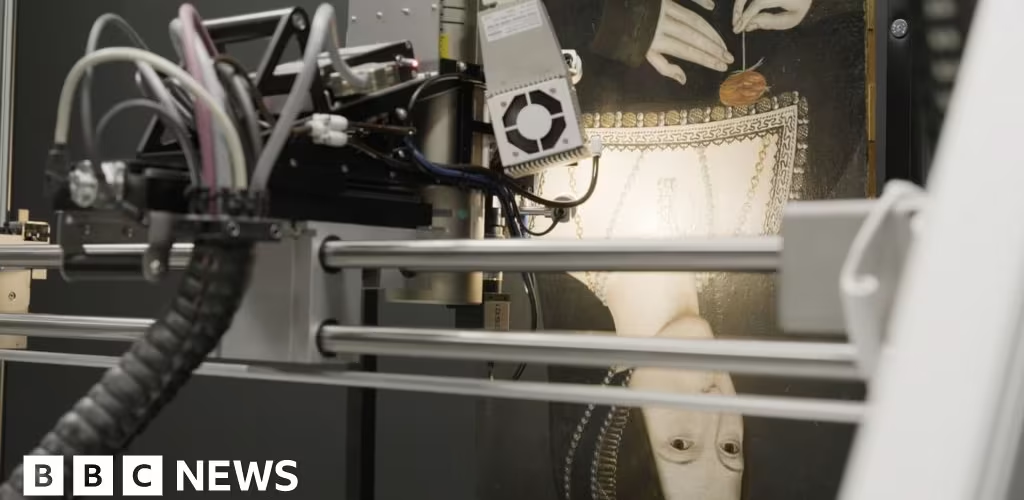
Infrared images have revealed that an artist who painted Anne Boleyn deviated from an approved design for portraits of the Tudor queen.
Curators at Hever Castle, the childhood home of Boleyn, said new research showed that the painter altered the undersketch for the Hever Rose portrait from the standard "B" pattern they initially followed.
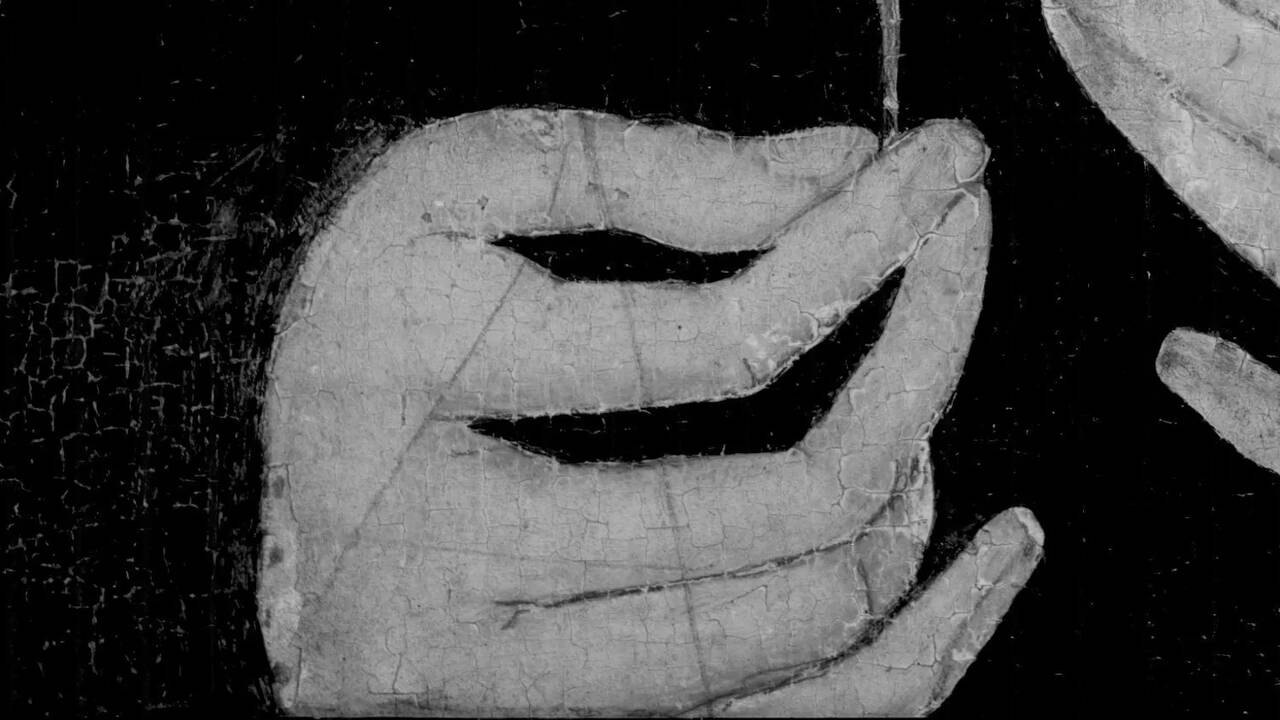
The finished painting deviated from the approved design to include the executed queen's hands, according to researchers.
Assistant curator Dr Owen Emmerson said it was a "visual rebuttal to hostile rumours" that Boleyn – the second wife of Henry VIII – was a witch with extra fingers.
She added: "The decision to show Anne's hands should be understood as intentional."
The castle commissioned research on the Hever Rose portrait from the Hamilton Kerr Institute, part of the Fitzwilliam Museum in Cambridge.
Dendrochronology analysis of the wooden panel the portrait was painted on dated the work to 1583, during the reign of her daughter Elizabeth I.
Emmerson said it made the work the earliest scientifically dated panel portrait of Boleyn.
At that time, Boleyn's image was "being consciously revisited and reshaped" during a spell of "intense political and religious anxiety", he added.
Hever historian and deputy curator Kate McCaffrey said the approved pattern "may itself have been based on an earlier image closer to Anne's lifetime", which perhaps "brings us closer to seeing Anne as she truly was".
She said that the Hever Rose portrait, newly dated, offered a "more human impression that preserves an earlier idea of Anne's image" than later representations.
The painting will be displayed as part of an exhibition at Hever Castle from 11 February, alongside other likenesses of Boleyn.