From a Single Guesthouse to a Hospitality Group: The Ilawu Story
StartUp Magazine | 09.02.2026 21:30
From a Single Guesthouse to a Hospitality Group: The Ilawu Story. Meet hospitality entrepreneur Siphiwe Ngcobo, the owner of Ilawu Hospitality Group, a hotel and guesthouse group operating in KwaZulu Natal and Pietermaritzburg. The brand’s journey began in 2009 when Ngcobo entered the hospitality sector by purchasing an eight bedroom bed and breakfast in Pietermaritzburg. That first property would become the foundation of a growing hospitality business built through deliberate expansion, operational focus, and an understanding of local accommodation demand.
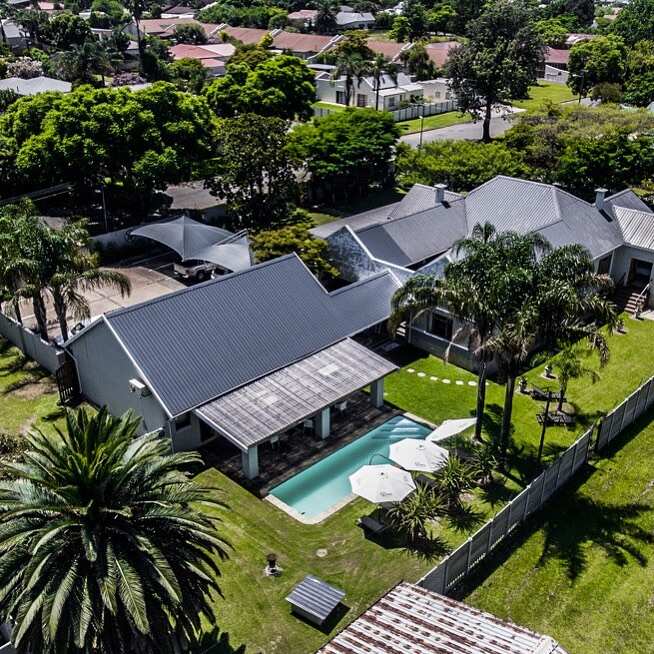
Rather than pursuing rapid growth from the outset, Ngcobo focused on improving and expanding what he already owned. The original property was later developed into a 20 room boutique hotel, marking the first major turning point in the Ilawu Hospitality Group story.
Learning the Business From the Ground Up
Starting with a single bed and breakfast meant Ngcobo was closely involved in the daily realities of hospitality operations. Managing bookings, guest experience, staffing, and property upkeep formed the practical backbone of the business. This hands on exposure shaped a working knowledge of how accommodation businesses function beyond theory.
For aspiring entrepreneurs, this stage highlights the value of starting with a manageable operation. Growth came after systems were tested and refined. The transition from an eight bedroom property to a 20 room boutique hotel demonstrated readiness for scale based on experience rather than assumption.
Strategic Expansion Through Property Development
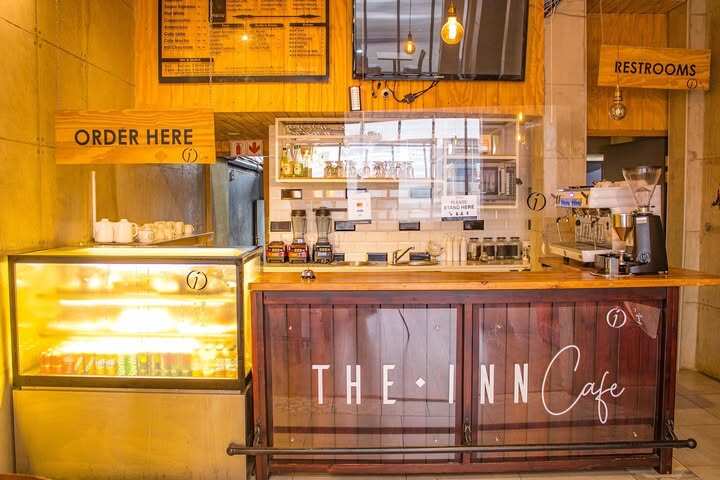
Ilawu Hospitality Group has grown to own multiple establishments, including Presidents Boutique Lodge, The INN, New England Guesthouse, and Hutten Heights Lodge. Each property forms part of a broader portfolio that serves different accommodation needs within KwaZulu Natal and Pietermaritzburg.
Expansion through property acquisition and development reflects a strategy of building a group rather than a single flagship venue. This approach allows the brand to operate across multiple locations while maintaining a unified hospitality identity. It also spreads operational risk across several properties instead of relying on one source of revenue.
Building Strength Through Employment and Operations
Today, Ilawu Hospitality Group employs over 100 people. Managing a workforce of this size requires structured operations, clear roles, and consistent service standards. Employment growth signals the scale of the business and its contribution to the local economy.
From an operational perspective, staffing becomes a core strength when aligned with service delivery. For hospitality entrepreneurs, this underlines the importance of investing in people as part of the brand experience. A property’s success is closely tied to the quality and reliability of its team.
Positioning Within the Local Hospitality Market
Operating in KwaZulu Natal and Pietermaritzburg places Ilawu Hospitality Group within established travel and business corridors. Rather than positioning itself outside these markets, the group has built accommodation offerings that align with local demand patterns.
The presence of both boutique lodges and guesthouses within the portfolio reflects flexibility in catering to different guests. This positioning strengthens the group’s ability to remain relevant across varying travel needs, from business stays to leisure accommodation.
Key Lessons for Aspiring Hospitality Entrepreneurs
Ilawu Hospitality Group’s journey offers grounded lessons rooted in real milestones. Starting with one property allowed operational discipline to develop early. Expansion followed demonstrated capability, not speculation. Each additional property built on prior experience.
Another lesson lies in property improvement. Transforming an eight bedroom bed and breakfast into a 20 room boutique hotel shows how value can be created within an existing asset. Growth does not always require starting over. It often begins by expanding what already works.
Employment also stands out as a critical element. Managing over 100 employees requires leadership, systems, and accountability. Entrepreneurs entering hospitality should recognise that people management is inseparable from guest experience.
Growth Built on Patience and Execution
Ilawu Hospitality Group’s story reflects growth shaped by patience and execution. From a single property in 2009 to a group that owns multiple lodges and guesthouses, each stage of development followed practical experience and measured decision making.
For entrepreneurs looking to build sustainable hospitality brands, Ilawu Hospitality Group offers a clear reminder that long term success is built step by step. Strong foundations, operational knowledge, and strategic expansion remain essential ingredients in turning a small venture into a lasting business.