A Landmark Exhibition Honors Sheroanawe Hakihiiwe’s Yanomami Roots
Elle Magazine | 20.11.2026 20:18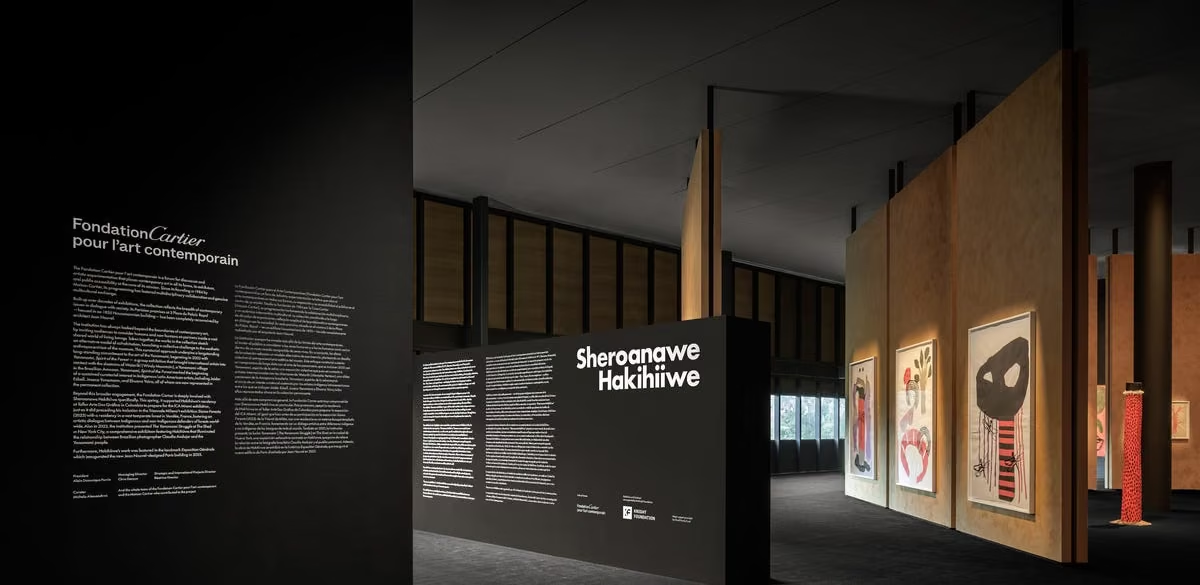
3 min read
It was no small journey for Sheroanawe Hakihiiwe to reach the Institute of Contemporary Art Miami, where a landmark exhibition marks the Venezuelan artist’s first solo museum presentation in the United States. A member of the Yanomami tribe, Hakihiiwe was raised in the remote Poripori community along the upper Orinoco River, where he still lives. It requires a flight, eight days via boat, and three days via canoe just to reach Caracas, the capital of Venezuela. Getting there takes patience; so does the work, which begins with looking closely at the forest around him.
At a preview of the exhibition earlier this week, the soft-spoken Hakihiiwe discussed what he hopes his oeuvre can carry forward. “My work speaks of my ancestors and I would like it to speak of the future too,” he said in Spanish. “Today our rivers, our lands, what we plant and what we eat are threatened by illegal mining, pollution, and climate change.”
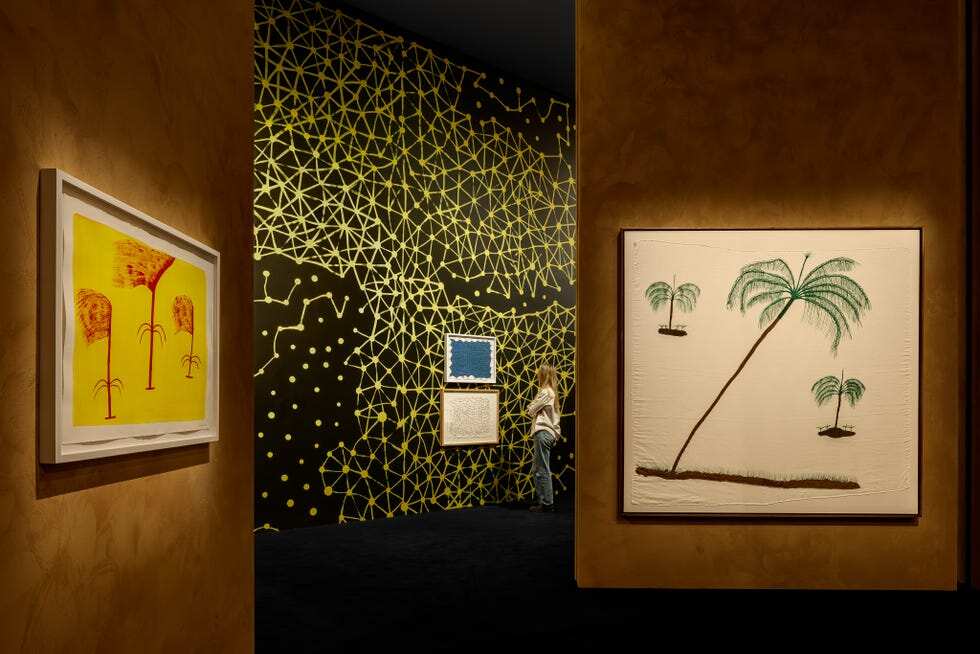
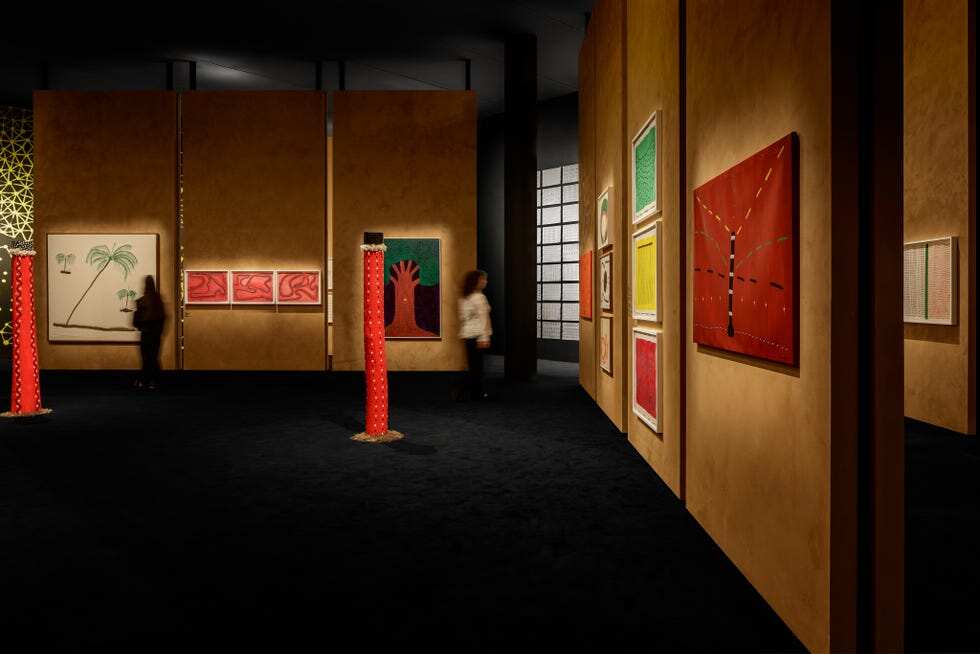
The expansive exhibition, organized by ICA Miami and the Fondation Cartier pour l’art contemporain, brings together more than 100 works across three decades. (Hakihiiwe’s first solo U.S. survey is also the Fondation Cartier’s first exhibition to open stateside; previous U.S. presentations followed European debuts.) Designed by Mauricio Rocha’s Taller de Arquitectura, the galleries take cues from the traditional Yanomami shapono, or communal house, with dim, filtered light and natural pigments.
The show opens with Hakihiiwe’s early works from the 1990s: delicate drawings on handmade paper that trace animal tracks in the forest, acting as a visual language that continues to shape his practice. Beginning here was intentional, says Michela Alessandrini, curator at the Fondation Cartier. The early works lay the groundwork for what follows.
Kris Tamburello
“We wanted to share the evolution of his visual language,” says Alessandrini, who collaborated with ICA Miami’s curator Gean Moreno for over one year to survey Hakihiiwe’s work for the show. “Across the galleries, you witness his power of observation, from the forms and signs he discovers in the forest to the delicate relationship between all living things that share it.”
Kris Tamburello
From there, the installation turns to the Amazonian ecosystem, from studies of individual plants to monumental works shaped by Hakihiiwe’s shamanic practice. In “Puu motho shipe” (Stinging Vines), an acrylic-on-paper work, he records a plant species through winding vines set against a graphic yellow backdrop. Like much of the artist’s practice, it preserves traditional ecological knowledge as the rainforest faces mounting threats. “Ushuemi wake u” (Red Bird Water), meanwhile, comes from a body of work shaped by the artist’s recent shamanic training.
“It introduced a way of thinking about art, nature, and other ways in the world that continues to guide our mission today,” Alessandrini said of Hakihiiwe’s work, which the Fondation Cartier first showcased in its 2022 exhibition “Les Vivants”. “What has always resonated with us is the perspective his work offers. It advises to look beyond our own familial ways of seeing and to recognize a world in which humans, animals, and plants are all interconnected.”
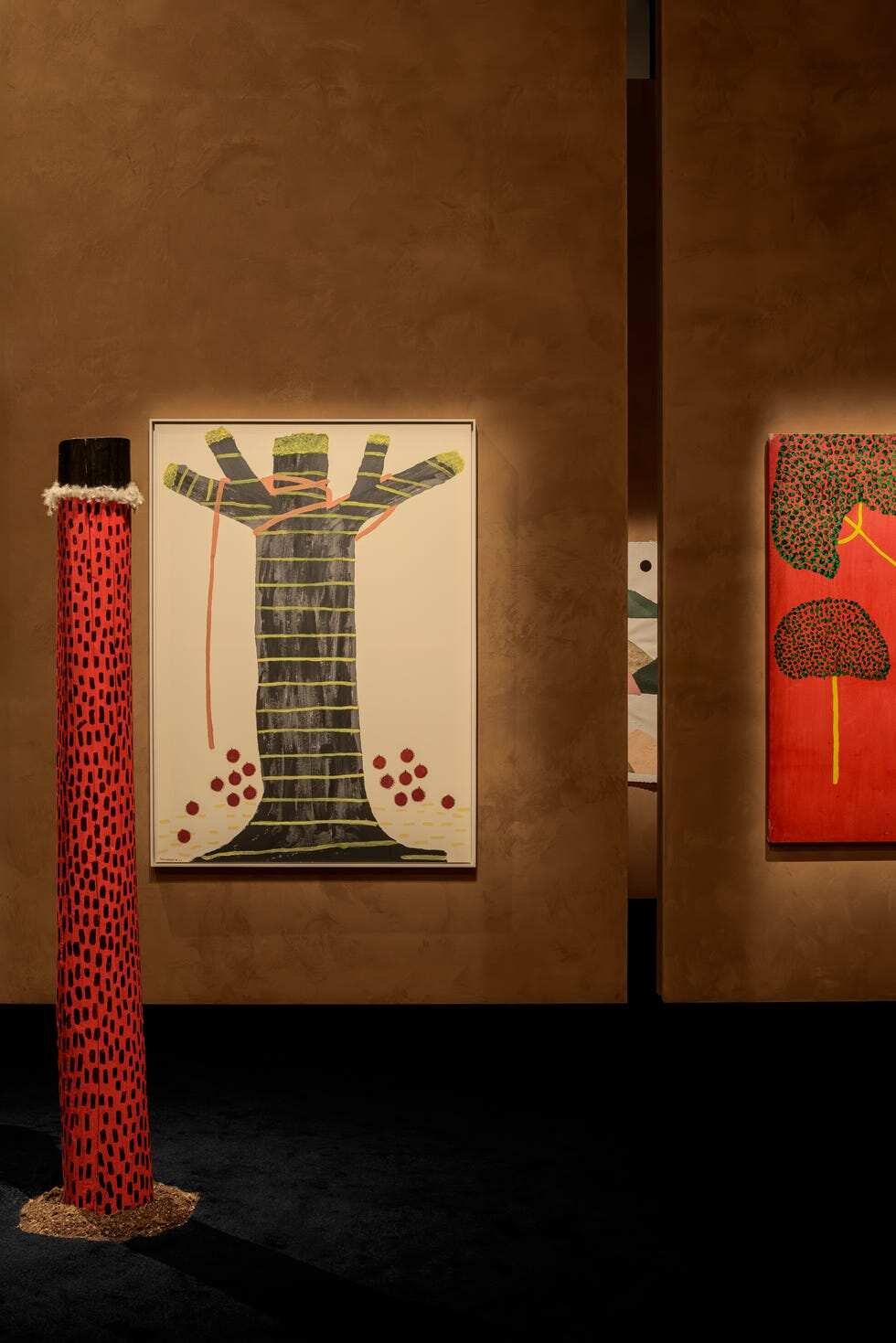
Hakihiiwe makes many of his creations in Caracas, where he can work away from Poripori’s humidity and insects. His art may travel, but its focus stays close to home: his community and the land around it. Both anthropological and deeply personal, his pieces offer a view from within a community still fighting to protect its land and way of life.
“We shamans cannot heal the water, the earth, the air,” Hakihiiwe said to close his remarks. “All the shamans are worried. We know that the time is coming, and that if we don’t change, we will disappear.” He continued, “I hope that through my work people can discover the beauty of the forest, but also its importance and how it can raise awareness about this future we see with such concern.”
Sheroanawe Hakihiiwe is on view at the ICA Miami from November 19 to March 28, 2027.